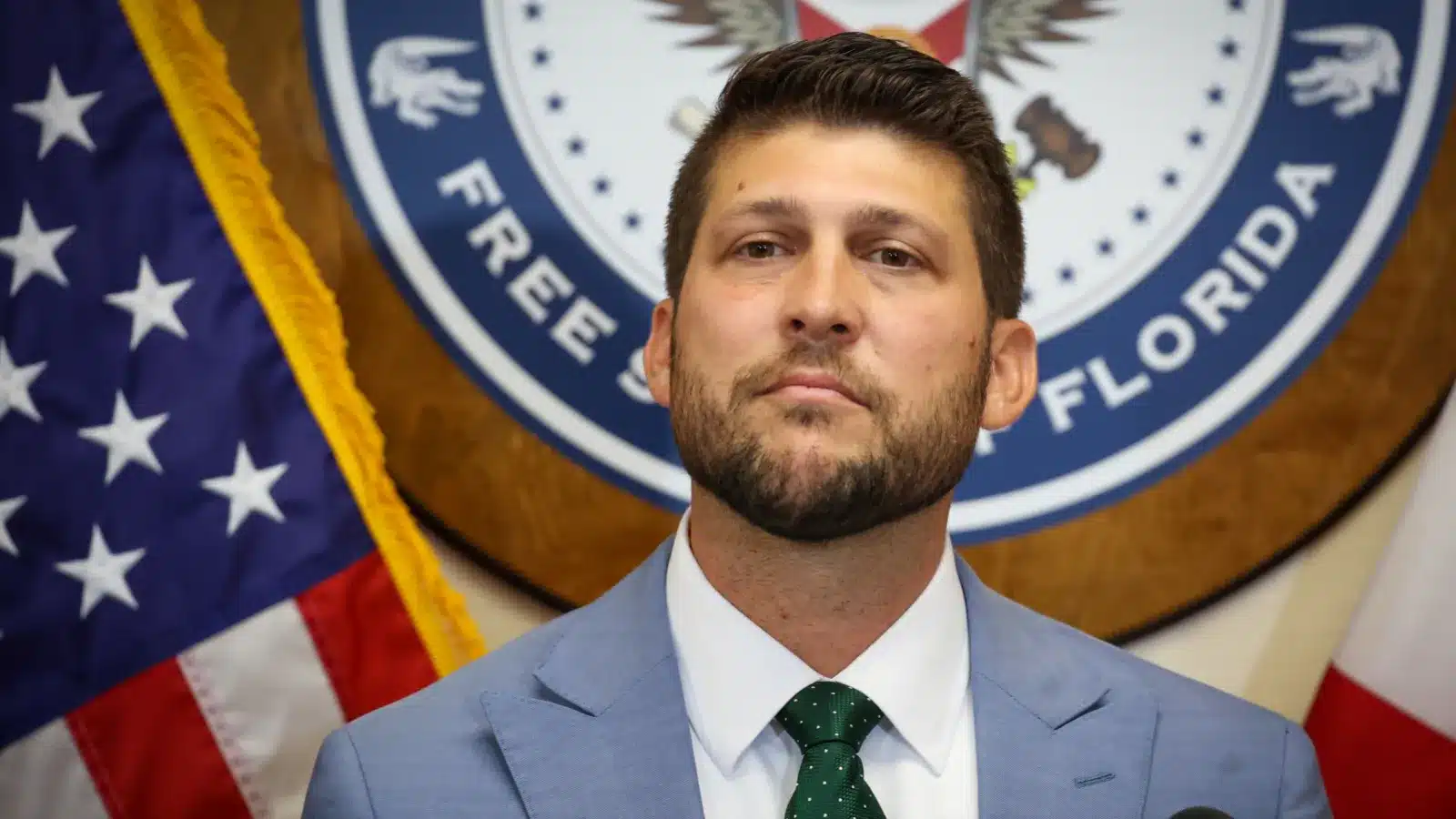
Kenneth Dart Begins Taking a Position in DraftKings
Kenneth Dart’s Candle Lake Limited disclosed a 5.8% stake in DraftKings on August 14, buying into a stock that’s down roughly 46% over the past year and trading near $24 a share.
The filing was a Schedule 13G, the paperwork reserved for investors who explicitly aren’t trying to take over the company. Dart’s disclosure says exactly that: the shares “were not acquired and are not held for the purpose of or with the effect of changing or influencing the control of the issuer.”
The stock’s recent slide has been well documented. DraftKings is fighting FanDuel on the sportsbook side and Kalshi and Polymarket on the newer prediction markets side, where DKeX has struggled to gain traction since its June launch. Q2 results disappointed on both fronts. Run the math backward, and a 5.8% stake that costs roughly $690 million today would have run closer to $1.3 billion a year ago, before the stock lost nearly half its value.
For Dart, that’s worth taking at face value, because the pattern holds across everything else he has bought this year.
Candle Lake’s Forced Bid, Not a Takeover Attempt
Candle Lake crossed 30% of Evolution AB’s shares on July 24, tripping the mandatory bid requirement under Swedish takeover law. Once a shareholder passes that threshold, the law requires an offer for the rest of the company, whether the buyer wants to make one or not.
Candle Lake filed the mandatory offer on August 13: SEK 695 per share in cash, valuing the roughly 69% of Evolution it doesn’t already own at about SEK 90.1 billion. The acceptance period runs from August 17 to September 15. But the company’s own language undercuts any read of this as an actual takeover attempt. Candle Lake said the offer “is not motivated by any intention to acquire all outstanding shares in Evolution,” and described itself as a long-term financial investor with no plans to change management or operations. Delisting only comes into play if Candle Lake ends up owning more than 90 percent, a byproduct of Swedish securities law, not a stated goal.
In other words, Dart got pulled into a takeover bid by crossing a legal tripwire, not because he set out to run a Swedish casino tech company.
Flutter Remains the Big One, and the Big Loss
DraftKings and Evolution are both smaller than what Dart has already sunk into Flutter Entertainment. His stake there has grown past 28% since he first disclosed 5% last September, built partly through equity swaps rather than outright share purchases. That position has cost him quite drastically. Flutter stock has fallen 57% since January, and Dart’s paper losses on the position now run past $4 billion.
Despite the unrealized losses, he hasn’t sold. If Dart wanted board seats or operational control at Flutter, a new CEO after Peter Jackson’s exit would have been the moment to push for it. What it really resembles is market expectations catching up with the business, not an activist shareholder forcing change.
The Solo Cup Money Has Always Chased Distress
Dart’s fortune comes from Dart Container, the company his family built into the world’s largest foam-cup/solo-cup maker. He’s spent decades since then deploying that money into distressed assets: sovereign debt from Argentina, Brazil, and Greece; tobacco stocks; and now a trio of gambling companies that Wall Street has soured on all at once.
The sovereign debt years are where Dart earned his reputation as a fighter, suing governments for full payment on bonds he’d bought for pennies. But that playbook doesn’t map cleanly onto gaming. Bondholder litigation works because a government eventually has to negotiate. A gambling stock doesn’t owe Dart anything. He can only make money if DraftKings, Flutter, and Evolution recover on their own, which means his only real lever is patience.
Betting on a Sector’s Bottom, Not Its Boardroom
Every filing Dart has made this year points in the same direction. He’s buying stakes sized to matter financially without triggering the disclosures or obligations that come with seeking control, and the one time he did trip a control-related requirement, with Evolution, he moved immediately to say he didn’t want it.
That reads less like a hostile investor building leverage and more like someone who thinks gaming stocks are cheap and is willing to sit on the position until the market agrees. Dart has been early and wrong before, most visibly on Flutter. Whether DraftKings turns into the same kind of expensive patience test, or the entry point he’s hoping it is, depends entirely on whether prediction markets stop eating into its sportsbook business before his money runs out of runway.
Players trust our reporting due to our commitment to unbiased and professional evaluations of the iGaming sector. We track hundreds of platforms and industry updates daily to ensure our news feed and leaderboards reflect the most recent market shifts. With nearly two decades of experience within iGaming, our team provides a wealth of expert knowledge. This long-standing expertise enables us to deliver thorough, reliable news and guidance to our readers.
Latest News