

The Little League World Series Is Here. So Is the Annual Argument About Offshore Betting on It.
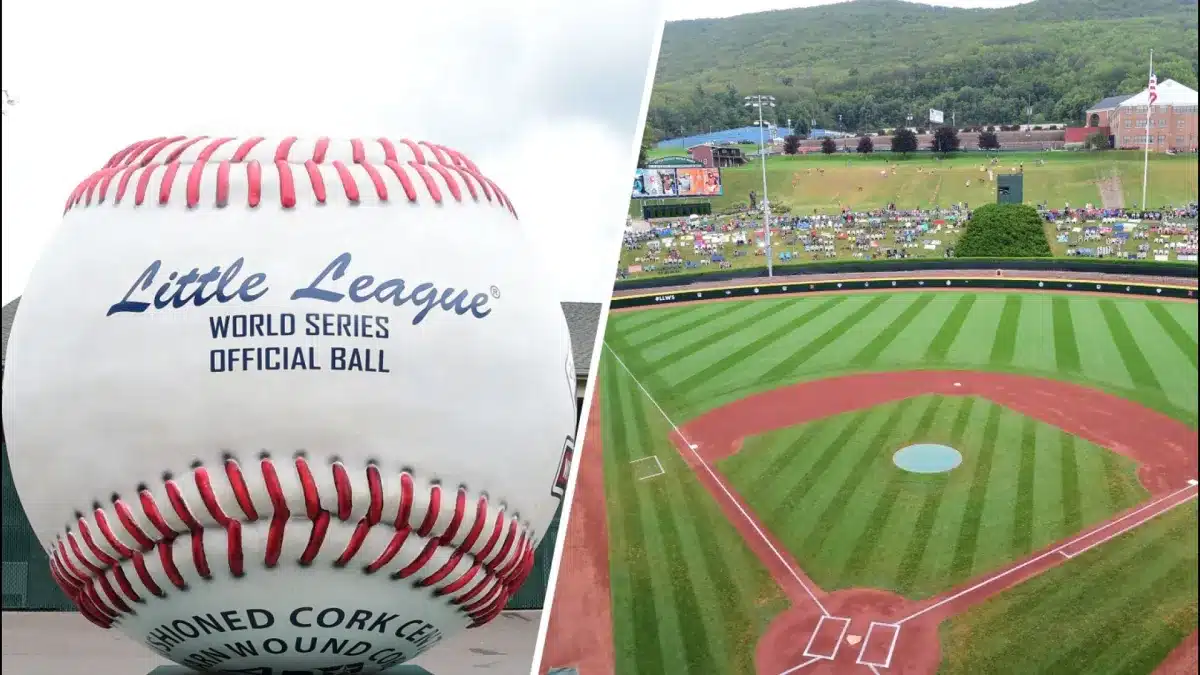
The Little League World Series begins this week in Williamsport, Pennsylvania.
Twelve-year-olds from sixteen regions will play baseball in front of packed crowds and a national television audience. And at offshore sportsbooks, you can bet on all of it.
This isn’t new; it’s happened every year for quite some time now. And every year, roughly the same cycle plays out: someone notices sports betting lines on twelve-year-olds, people express outrage, the outrage gets little traction, the tournament ends, and everyone moves on until the following August.
Dustin Gouker flagged the situation in his Closing Line Substack on Monday, and the framing he used is worth restating clearly because it captures where things actually stand:
You cannot bet on the Little League World Series at any state-regulated sportsbook in the United States. You cannot bet on it at any federally regulated prediction market. You can bet on it at offshore sportsbooks, which are illegal for US customers under the Wire Act but effectively operate without interference.
What makes the cycle land differently this August is everything else that has happened to sports betting integrity in 2026.
The Worst Year on Record for Sports Gambling Integrity
Let’s start with Malik Beasley. Federal prosecutors charged the nine-year NBA veteran in July with manipulating his own performance across four games to cash player prop bets, coordinating with former player Ed Davis as an outside co-conspirator. The NBA’s integrity monitoring system caught it because a sportsbook detected unusual betting patterns. Authorities arrested Terry Rozier and Chauncey Billups in October on related federal charges. The investigation has implicated multiple current and former players in a network of gambling-adjacent conduct that extends well beyond any individual case.
Then there is Brendan Sorsby. The Texas Tech quarterback was banned by the NCAA for wagering on games involving his own teammates at Indiana. A Texas judge granted him a temporary injunction to play anyway. Multiple programs refused to schedule Texas Tech. The case exposed how thoroughly individual player prop markets create financial incentives that put athletes at direct risk of both temptation and harassment.
Indiana’s Gaming Commission tabled a college player prop ban in July, citing those exact concerns. Baseball had its own situation with Guardians closer Emanuel Clase and player prop manipulation. The MLBPA proposed banning all player props on MLB games across sportsbooks, prediction markets, and daily fantasy platforms. The Sorsby case, the Beasley indictment, and the MLBPA proposal all arrived within the same few months.
BetOnline Issued a Press Release on LLWS Lines
Into that environment, offshore sportsbook BetOnline published a press release this week promoting its Little League World Series odds. Brand manager Dave Mason said the platform generates more action on the LLWS over two weeks than on the WNBA, Major League Soccer, pro tennis, or golf combined. Handle doubled from 2024 to 2025, and a record is projected again this year. Player props and game lines are likely coming in the next few days.
The responsible gaming language accompanied the announcement. Maximum wager sizes are limited to protect tournament integrity. Adults choose to participate, and the announcement mentions twenty-five years of prioritizing responsible gaming.
Little League isn’t passive about this. Last August, the organization posted on X that it feels strongly there is no place for betting on Little League games. The post received nearly seven million views. The offshore betting continued regardless and apparently doubled.
Why the Regulated Market Draws a Line Offshore Ignores
State-licensed sportsbooks do not offer Little League markets. Regulatory frameworks prohibit or do not authorize betting on amateur and youth sports. Polymarket offered Little League markets in 2024 and has not done so since. The CFTC’s proposed rulemaking signals that pre-collegiate sports contracts would face heightened scrutiny. The regulated ecosystem has, for all its other problems, drawn a clear line here.
Offshore sportsbooks operate from jurisdictions that impose no such restrictions. US regulators cannot access them, and they are practically immune to Wire Act prosecution of individual bettors. The enforcement gap between offshore and regulated gambling is visible every day in markets that domestic operators cannot legally offer. The Little League World Series is the most visible example because it happens once a year, in Williamsport, in front of cameras, and the offshore books promote it openly.
The Argument That No Longer Holds
The case for leaving this situation alone has always rested partly on the claim that offshore betting is victimless background noise. Adults choose to bet, the kids don’t know, and the games aren’t affected.
That argument is becoming increasingly difficult to make. The Beasley case proved that financial incentives created by player-specific markets are large enough to motivate a professional athlete to deliberately underperform. The Sorsby case proved that player-adjacent markets create integrity risks and personal targeting. Indiana’s Gaming Commission heard testimony about death threats sent to college athletes by bettors who lost on their individual performance.
The athletes in Williamsport this week are twelve years old. They are playing in front of national television audiences with offshore prop lines available on their individual performances. Nobody in the regulated market will do anything about it, and the DOJ doesn’t seem to intend to act. Offshore books have operated here for decades and openly project growth.
The context has changed as sports betting has grown. Sports gambling integrity problems involving adult professional athletes with agents, unions, and legal representation produced congressional hearings, federal indictments, and league-level policy proposals this year. The same industry’s offshore wing is simultaneously publishing press releases about odds on middle schoolers. The juxtaposition is not subtle.
Whether that eventually produces enough reputational pressure to change the offshore books’ business decisions is the only available mechanism. So far, the answer has been no.
Players trust our reporting due to our commitment to unbiased and professional evaluations of the iGaming sector. We track hundreds of platforms and industry updates daily to ensure our news feed and leaderboards reflect the most recent market shifts. With nearly two decades of experience within iGaming, our team provides a wealth of expert knowledge. This long-standing expertise enables us to deliver thorough, reliable news and guidance to our readers.
Latest News