

Kalshi Hits $10 Billion In Monthly Trading Volume During Super Bowl Run
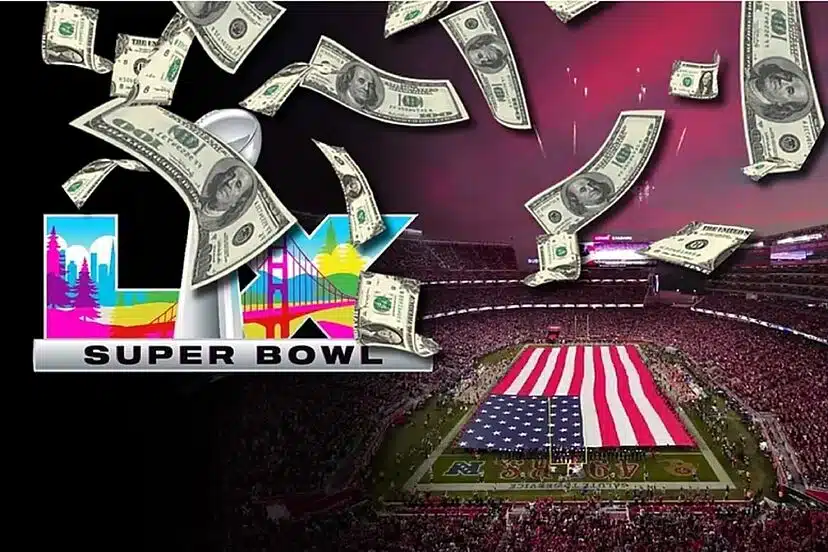
Kalshi just posted its first $10 billion month, and the number is big enough to shift the conversation around prediction markets in the United States. For years, exchange-style platforms talked about growth in percentages. Now there is a headline figure that rivals major sportsbook handles during peak seasons.
In the 30 days leading into Super Bowl week, Kalshi cleared roughly $10.3 billion in trading volume. It is a milestone month built on sports demand, national attention, and a platform that suddenly feels mainstream.
Kalshi Trading Volume Hits $10 Billion In One Month
The $10 billion figure covers a rolling 30-day window that ended just after Super Bowl Sunday. That alone reportedly generated close to $900 million in volume. For context, that is a single-day spike most emerging platforms would struggle to touch in a full quarter.
This was not driven by one niche political market or a viral contract. Sports did the heavy lifting. Football markets, especially those tied to the Super Bowl, dominated the board. The appetite for game outcomes, props, and event-driven contracts pushed the exchange to levels it had not seen before.
February is traditionally one of the strongest sports betting months in the U.S. calendar. Kalshi tapped directly into that cycle.
Super Bowl Betting Fuels Kalshi’s Record Month
The Super Bowl continues to act as a gravity event for any platform offering price-based speculation. Kalshi benefited from that pull.
Football markets accounted for the bulk of activity, with Super Bowl contracts alone approaching nine figures in volume on game day. When you combine conference championships, futures, and related event markets, the NFL essentially carried the exchange through the finish line.
That is notable because Kalshi operates under a different structure than traditional sportsbooks. Traders buy and sell contracts tied to outcomes. Every trade counts on both sides. That structure can accelerate headline volume quickly when liquidity builds.
How Kalshi Compares To Traditional Sportsbooks
The $10 billion number invites comparisons to regulated sportsbook handle, but the mechanics differ.
On a sportsbook, handle reflects the total amount wagered by customers. On an exchange like Kalshi, volume reflects matched trades. Each side of a contract contributes to the total. That means exchange volume can scale rapidly when markets are active and pricing is tight.
Even with that caveat, clearing eight figures on a single event day and 10 figures in a month places Kalshi firmly in the national betting conversation. It is no longer a fringe finance product operating in the shadows of larger operators.
Kalshi App Store Ranking And Mainstream Momentum
Another driver behind the surge was visibility. During the Super Bowl buildup, Kalshi climbed to the top of the finance category in the App Store. That kind of placement matters. Casual users scroll, download, and experiment.
Partnerships also expanded distribution. Integrations with other consumer-facing platforms helped funnel users into Kalshi markets without requiring them to start from scratch. The result was a broader funnel at the exact moment demand peaked.
In short, the product met the moment.
Prediction Markets Growth In The United States
For years, prediction markets in the U.S. were tied mostly to politics and macro events. Sports has changed that equation.
When 80 percent or more of monthly volume comes from sports-driven contracts, the identity of the platform shifts. It starts to resemble a sportsbook in user behavior, even if the legal framework and product design differ.
The $10 billion month suggests there is real consumer appetite for exchange-style pricing on sports outcomes. It also raises questions about competition, regulation, and how state-based sportsbooks respond if this growth continues.
What The $10 Billion Milestone Means For Kalshi
Milestones reset expectations. After a $10 billion month, the benchmark moves. Investors, regulators, and competitors will all watch the next major sporting event to see if the surge was a one-off or the start of a new baseline.
March Madness will offer another stress test. So will the start of the next NFL season. If Kalshi can post similar numbers outside of the Super Bowl window, the conversation changes from momentum to permanence.
For now, the takeaway is simple. Kalshi just recorded a $10 billion month largely on the back of sports trading. That puts it squarely in the center of the U.S. betting and prediction market debate going into the rest of the year.
Players trust our reporting due to our commitment to unbiased and professional evaluations of the iGaming sector. We track hundreds of platforms and industry updates daily to ensure our news feed and leaderboards reflect the most recent market shifts. With nearly two decades of experience within iGaming, our team provides a wealth of expert knowledge. This long-standing expertise enables us to deliver thorough, reliable news and guidance to our readers.
Latest News