Tennessee Fires Student Worker Over Kalshi Bet During NCAA Gambling Rule Confusion
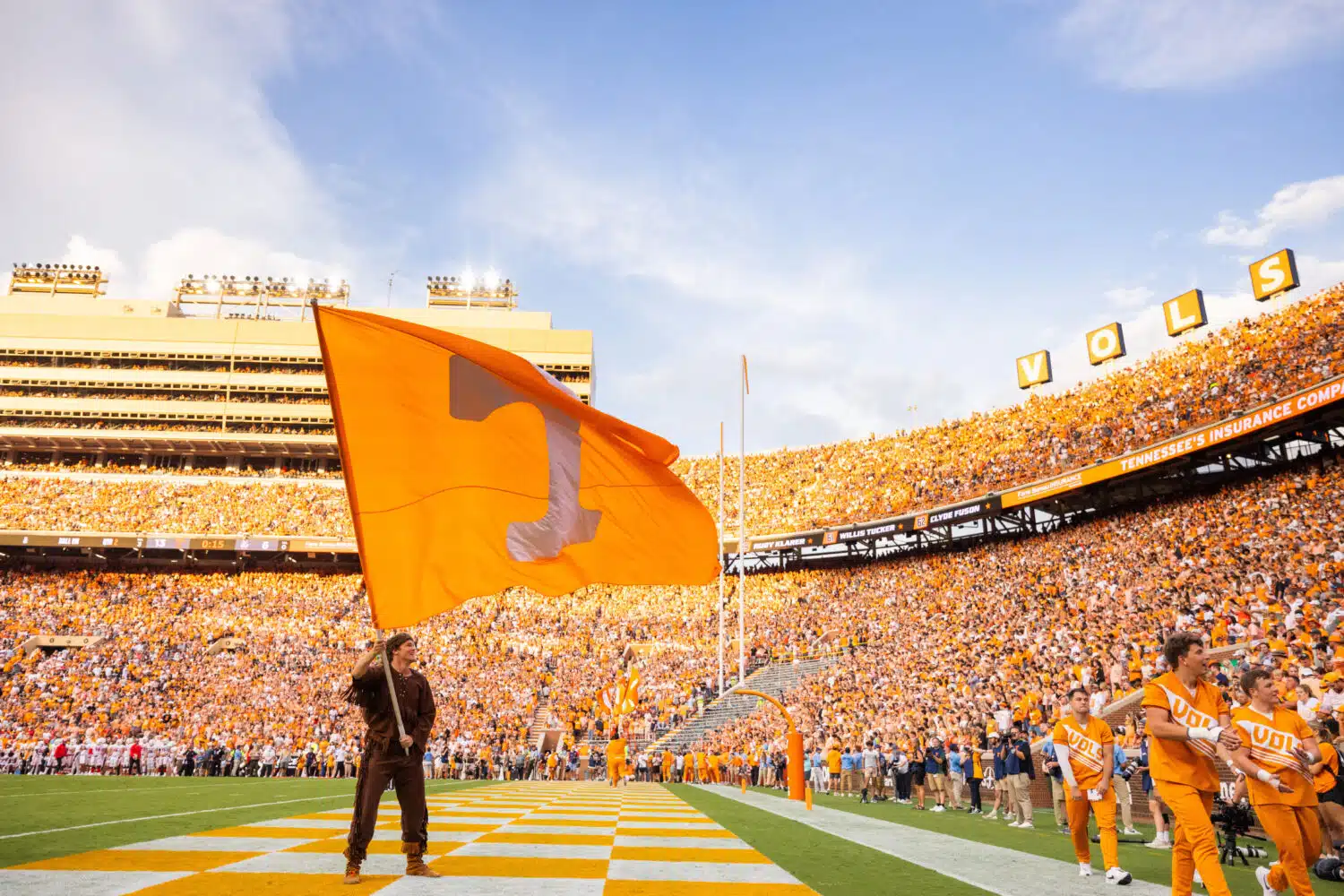
The University of Tennessee fired a student worker for betting on Kalshi amid shifting NCAA gambling rules, despite the minor violation.
The University of Tennessee fired a student worker from its athletics broadcast team after discovering he placed sports wagers, including at least one on a Tennessee football game, using the prediction market app Kalshi during the 2025 season.
According to an NCAA report obtained through a public records request, the wagering activity occurred at a particularly turbulent moment for college sports governance, when the NCAA was actively revising, and then reversing its gambling rules. Due to the unusual circumstances, the violation was classified as minor, and Tennessee received little more than a warning.
A Rare but Revealing NCAA Violation
The gambling incident stood out among six Level III infractions self-reported by Tennessee during the second half of 2025. The other violations were routine and included clerical errors, an unsanctioned workout, and inadvertent recruiting contact.
Sports gambling violations are typically considered serious NCAA offenses. However, the context surrounding this case, including regulatory uncertainty and the use of a nontraditional wagering platform, played a significant role in the NCAA’s decision to treat the matter as a minor breach.
How the Wagering Occurred
According to the report, the student worker placed wagers in October on NFL, NBA, and college football games using Kalshi. At least one of the wagers involved a Tennessee football game.
The individual, who was not named, worked as a videographer on Tennessee’s in-house broadcast team. He filmed games across multiple sports but was not assigned to any single team.
The specific Tennessee game wagered on was not identified. During October 2025, the Volunteers recorded wins against Arkansas and Kentucky and suffered a loss to Alabama.
Detection and Immediate Action
Tennessee officials were alerted to the wagering activity in November by ProhiBet, a monitoring firm used by professional leagues, college conferences, and sportsbooks to detect prohibited gambling by athletes and staff.
ProhiBet’s monitoring software flagged the activity and notified Tennessee, prompting an immediate response.
Tennessee’s actions included:
- Immediate suspension of the student worker
- Termination from the athletic department
- Additional gambling-compliance training in partnership with ProhiBet
University officials noted that student workers receive training on NCAA gambling rules as part of their employment.
Why the Penalty Was Minimal
The SEC and NCAA declined to impose additional penalties beyond the student’s termination and compliance measures. Timing proved to be a key mitigating factor.
Between October and December 2025, NCAA gambling policy changed twice:
- In October, the Division I Administrative Committee approved a rule allowing athletes and staff to bet on professional sports (not college sports)
- The change took effect November 1
- The rule was rescinded on November 21 amid multiple college gambling scandals
At no point was betting on college sports permitted. However, the temporary rule change created widespread confusion during the exact period when the Tennessee wagers occurred.
The Kalshi Complication
Another mitigating factor cited in the report was the platform used.
Kalshi operates as a peer-to-peer prediction market, allowing users to buy and sell “yes” or “no” contracts on real-world outcomes rather than placing bets against a sportsbook.
While wagers involve real money, the structure differs significantly from traditional betting, a distinction that has complicated the application of NCAA rules.
That distinction has become central to a broader national debate over whether prediction markets constitute gambling under existing sports regulations.
NCAA Pushback Against Prediction Markets
The NCAA has since taken a firmer stance against prediction markets in college sports.
In December, Kalshi notified federal regulators of its intent to offer contracts on whether college athletes would enter the transfer portal. NCAA President Charlie Baker responded forcefully.
Baker said the NCAA “vehemently opposes college sports prediction markets,” citing concerns about athlete harassment, integrity risks, and unregulated wagering environments. Kalshi later abandoned the transfer-portal offering.
In January, Baker formally requested that the Commodity Futures Trading Commission pause all college-sports-related prediction markets until appropriate safeguards are established.
Why This Case Matters
The Tennessee incident illustrates how rapidly evolving betting products are colliding with college sports governance.
Key takeaways include:
- Prediction markets have blurred traditional gambling definitions
- Compliance enforcement tools are catching activity beyond sportsbooks
- NCAA policy shifts can materially affect enforcement outcomes
While the infraction itself was minor, the case highlights a growing regulatory gray area, one that is increasingly touching real athletic departments, staff members, and students.
Bottom Line
Tennessee fired a student worker for wagering on sports through Kalshi, including a bet on a Vols football game, but avoided major penalties due to the unusual timing and regulatory confusion surrounding NCAA gambling rules.
As prediction markets continue to expand, the incident underscores the challenges colleges and regulators face in applying legacy rules to new forms of wagering — and why clearer guidance is likely coming.
Players trust our reporting due to our commitment to unbiased and professional evaluations of the iGaming sector. We track hundreds of platforms and industry updates daily to ensure our news feed and leaderboards reflect the most recent market shifts. With nearly two decades of experience within iGaming, our team provides a wealth of expert knowledge. This long-standing expertise enables us to deliver thorough, reliable news and guidance to our readers.
Latest News