

Nevada Posts Post-PASPA Low Super Bowl Betting Handle
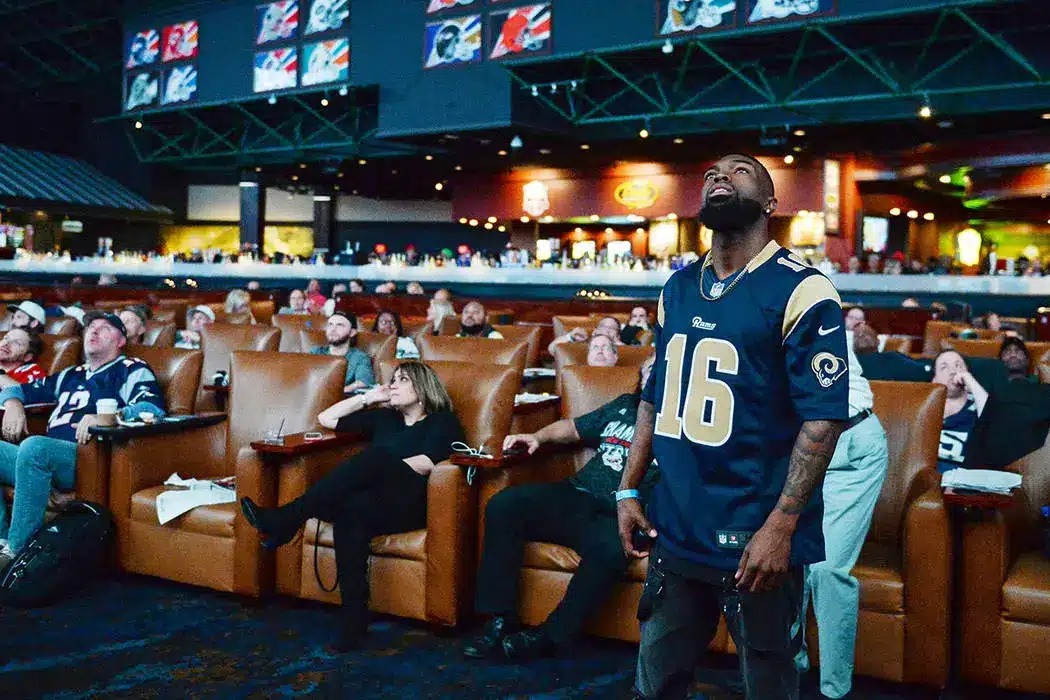
Nevada recorded its lowest Super Bowl betting handle since PASPA repeal, as wagering activity shifts to other states and platforms.
Nevada has reported its lowest Super Bowl betting handle since the repeal of PASPA, underscoring how the state’s once-dominant position in legal sports wagering continues to erode as betting options expand nationwide.
According to data released by the Nevada Gaming Control Board, sportsbooks across the state took in just over $185 million in wagers on the Super Bowl, marking the weakest showing for the marquee event in Nevada since single-game sports betting was legalized nationwide in 2018.
While Nevada sportsbooks still generated solid revenue, the declining handle highlights a long-term shift in where and how Americans are betting on the Super Bowl.
A Stark Contrast to Early Post-PASPA Years
In the immediate years following PASPA’s repeal, Nevada benefited from its established sportsbook infrastructure and brand recognition as the center of U.S. sports betting.
However, that advantage has steadily diminished as:
- More than 35 states have legalized sports betting
- Mobile wagering has become the dominant channel
- Bettors increasingly place wagers from home
Nevada’s Super Bowl handle has now declined for multiple consecutive years, even as national betting activity continues to grow.
Why Nevada’s Handle Is Falling
Industry analysts point to several factors contributing to the downturn.
Key reasons include:
- Nationwide competition: Bettors no longer need to travel to Nevada to place legal wagers
- Mobile-first behavior: States with aggressive mobile rollout capture more handle
- Limited promotional spend: Nevada sportsbooks historically offer fewer incentives
- Shift toward alternative platforms: Prediction markets and DFS-style products are drawing attention
While Nevada remains a mature and profitable market, it no longer benefits from exclusivity when it comes to major sporting events.
Revenue Still Holds Up
Despite the lower handle, Nevada sportsbooks still reported healthy revenue figures for the Super Bowl, aided by favorable betting outcomes for operators.
Higher hold percentages helped offset the reduced wagering volume, allowing sportsbooks to maintain profitability even as total bets declined.
This dynamic, lower handle but stable or improved revenue, mirrors broader trends across mature sports betting markets.
How Nevada Compares Nationally
Nevada’s results stand in contrast to national Super Bowl betting estimates, which continue to climb year over year.
Nationally:
- Billions of dollars are wagered legally on the Super Bowl
- The majority of bets are placed via mobile apps
- Newer states are capturing a growing share of total handle
States like New York, New Jersey, and Illinois now regularly report Super Bowl wagering volumes that rival or exceed Nevada’s totals, particularly in online betting.
Structural Limits in Nevada’s Market
Nevada’s regulatory framework, while trusted and well-established, includes features that can limit handle growth compared with other states.
These include:
- More conservative promotional practices
- Stricter rules around certain bet types
- A retail-heavy legacy model
While Nevada has embraced mobile betting, its market structure prioritizes stability and integrity over rapid expansion.
The Super Bowl’s Changing Role in Nevada
For decades, the Super Bowl was Nevada’s single most important betting event, drawing tourists and massive wagering volume.
Today, the event still matters, but its relative importance has diminished as:
- Sports betting is available nationwide
- Bettors spread wagering across multiple platforms
- Entertainment-focused visitors place fewer bets overall
Nevada sportsbooks now rely more heavily on year-round betting activity rather than marquee events alone.
What Comes Next
Nevada regulators and operators are unlikely to chase handle growth through aggressive promotions, instead focusing on:
- Sustainable revenue
- Responsible gambling
- Long-term market integrity
However, analysts expect Nevada’s share of national Super Bowl betting to continue shrinking as competition intensifies.
The state’s role is evolving from market leader to benchmark, still influential, but no longer dominant.
Why This Matters
Nevada’s post-PASPA Super Bowl low is symbolic of a broader transformation in U.S. sports betting.
The data illustrates:
- How decentralization has reshaped wagering behavior
- Why legacy markets face structural challenges
- How national growth does not guarantee local dominance
For policymakers, operators, and investors, Nevada’s Super Bowl numbers offer a clear case study in what happens when exclusivity gives way to widespread legalization.
Bottom Line
Nevada’s sportsbooks posted their lowest Super Bowl betting handle since PASPA was repealed, reflecting the reality of a highly competitive national market.
While the state remains a cornerstone of U.S. gaming, the Super Bowl is no longer a Nevada-centric betting event, and that shift appears permanent.
Players trust our reporting due to our commitment to unbiased and professional evaluations of the iGaming sector. We track hundreds of platforms and industry updates daily to ensure our news feed and leaderboards reflect the most recent market shifts. With nearly two decades of experience within iGaming, our team provides a wealth of expert knowledge. This long-standing expertise enables us to deliver thorough, reliable news and guidance to our readers.
Latest News