House GOP Blocks Effort to Restore Full Federal Gambling Loss Deduction
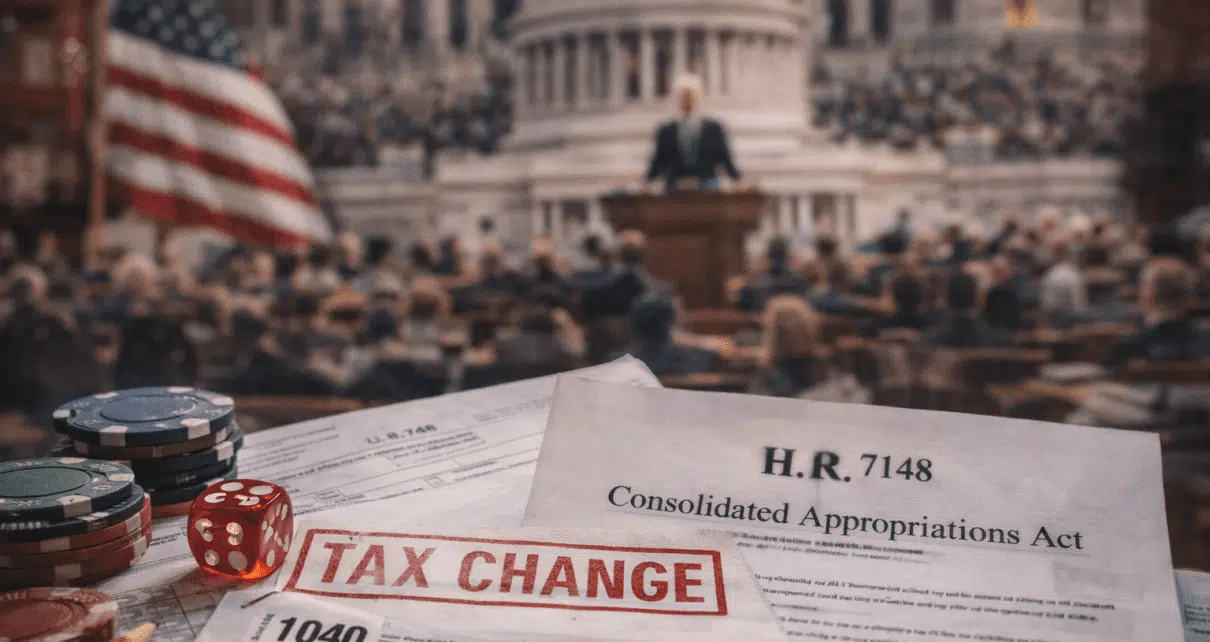
House Republican leaders blocked Rep. Dina Titus’ amendment to restore full gambling loss deductions, keeping a 90% cap in place.
Republican leadership in the U.S. House of Representatives has blocked the latest effort to restore the 100% federal tax deduction for gambling losses, dealing another setback to lawmakers seeking to reverse a controversial tax change enacted last year.
On February 3, 2026, Dina Titus (D-NV) introduced an amendment to a federal funding bill that would have reinstated the full deduction. The amendment was stopped before reaching the House floor when the GOP-controlled Rules Committee declined to make it “in order,” effectively preventing debate or a vote.
This is one of several bills, either active or blocked, that would affect federal tax deductions for gambling losses.
The decision leaves in place a provision that limits how much gambling losses can be deducted against winnings, a rule critics say unfairly taxes gamblers on income they never actually keep.
What Titus Was Trying to Fix
Titus’s amendment sought to reverse a tax change included in the One Big Beautiful Bill (OBBB), which was signed into law on July 4, 2025.
The key change under OBBB:
- Before: Gamblers could deduct 100% of their losses against winnings
- After: Loss deductions capped at 90% of losses
As of January 1, 2026, taxpayers are now required to pay federal income tax on 10% of gambling winnings, even if they break even or lose money overall.
Critics refer to this outcome as “phantom income,” because it creates taxable income where no real profit exists.
Why the Amendment Failed
House Republican leaders opposed allowing the amendment to advance, citing concerns over lost federal revenue.
According to estimates, maintaining the 90% deduction cap is expected to generate approximately $1.1 billion in federal revenue over eight years.
Opposition has also come from Senate Republicans, including James Lankford (R-OK), who has raised similar budgetary concerns within the Senate Finance Committee.
By blocking the amendment at the Rules Committee level, House leadership avoided a potentially contentious floor debate.
A Pattern of Legislative Roadblocks
This is not the first time Titus has attempted to undo the gambling tax change.
Since OBBB became law, multiple efforts to restore the full deduction have stalled, despite bipartisan acknowledgment that the policy change has unintended consequences for gamblers, particularly professional players and frequent recreational bettors.
The February 3 rejection represents the latest legislative obstacle, not the final word.
Other Bills Still in Play
Despite the setback, several bipartisan bills seeking the same fix remain pending in Congress.
Active legislation includes:
- FAIR BET Act
Introduced by Rep. Titus in July 2025, proposing a clean restoration of the 100% deduction. - FULL HOUSE Act
Introduced in January 2026 by Steven Horsford (D-NV) and Max Miller (R-OH). - WAGER Act
A Republican-led proposal from Andy Barr (R-KY).
All three measures aim to restore the 100% loss deduction, but none have yet advanced through committee.
What the Current Law Means for Gamblers
As of February 2026, the following rules apply for the current tax year:
Federal gambling tax rules now in effect:
- Loss Deduction Cap:
Taxpayers may deduct only 90% of gambling losses against winnings. - Tax Impact:
Gamblers can owe taxes even if they are net-neutral or net-losing for the year. - Slot Jackpot Reporting Threshold:
The IRS W-2G threshold increased to $2,000, up from $1,200, effective January 1, 2026.
The threshold will now be indexed for inflation going forward.
While the higher reporting threshold offers some relief for casual players, it does not offset the broader impact of the deduction cap.
Why the Issue Matters
Opponents of the 90% cap argue it disproportionately affects:
- Professional gamblers
- High-frequency sports bettors
- Poker players and tournament participants
Supporters of the cap contend it helps close budget gaps without raising tax rates.
The debate highlights a broader tension between revenue generation and tax fairness, especially as legal gambling expands nationwide.
What Comes Next
For now, the 90% deduction cap remains law, and gamblers must plan accordingly for the 2026 tax year.
Whether any of the pending bills gain traction later this session remains uncertain, particularly with House leadership signaling reluctance to revisit the issue.
Still, the bipartisan nature of the remaining proposals suggests the fight is far from over, and the outcome could have significant financial implications for millions of U.S. gamblers.
Players trust our reporting due to our commitment to unbiased and professional evaluations of the iGaming sector. We track hundreds of platforms and industry updates daily to ensure our news feed and leaderboards reflect the most recent market shifts. With nearly two decades of experience within iGaming, our team provides a wealth of expert knowledge. This long-standing expertise enables us to deliver thorough, reliable news and guidance to our readers.
Latest News