
Congress again blocks effort to restore full federal gambling loss deduction
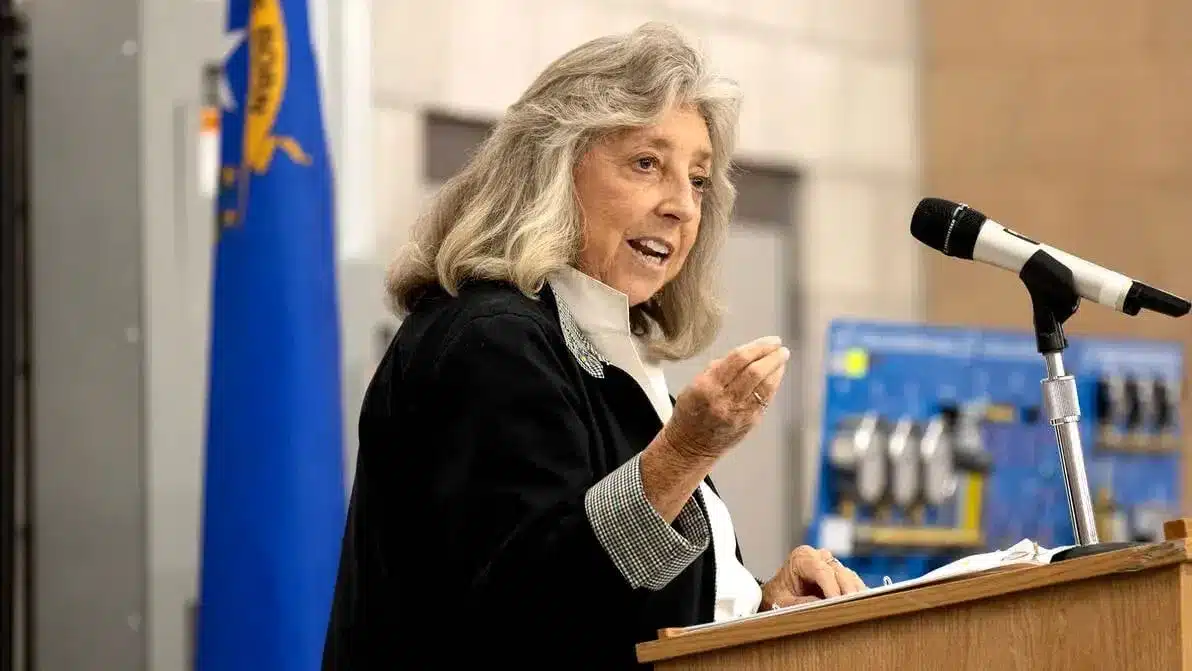
A congressional effort to restore the full federal tax deduction for gambling losses stalled this week after a House Rules Committee failed to include the fix in a spending bill, prolonging the 90% cap.
Once again, efforts to restore the full federal deduction for gambling losses stalled in Congress, frustrating lawmakers, professional bettors, and gaming advocates who had hoped to reverse a recent change limiting deductions to 90 % of losses.
For decades, U.S. taxpayers who itemized deductions could offset 100 % of documented gambling losses against their winnings on federal tax returns. That meant a bettor who won $100,000 but lost $100,000 in the same tax year would generally owe no income tax on gambling activity.
But a tax provision tucked into last year’s One Big Beautiful Bill Actreduced that deduction to 90 %, leaving many gamblers facing taxable “phantom income” on money they never truly netted.
Latest Congressional Push Falls Short
Earlier this week, supporters of reversing the cap attempted to attach an amendment restoring the full deduction to a must-pass federal appropriations package (House Resolution 7148), presenting it as a fix that could be adopted quickly without standalone legislation. Representatives, including Dina Titus (D-Nev.), whose district covers much of the Las Vegas Strip, pressed the measure before the House Rules Committee, emphasizing both fairness and economic importance.
However, the committee adjourned without including the amendment, effectively blocking the effort for now. Lawmakers had hoped that adding the fix to an essential spending bill would improve its chances, but that strategy fell short as the panel moved on without acting on the gaming tax language.
Titus and her allies also tried earlier last year to insert a similar fix, the FAIR BET Act, into the National Defense Authorization Act, but that amendment was rejected by the House Rules Committee as well.
Why the Deduction Matters
Critics of the cap, including pro-gambling organizations, resorts, horse racing groups, and commercial bettors, argue that the 90 % limit creates an unfair tax burden and could have unintended consequences:
- Bettors who break even over the year may still owe taxes.
- Professional gamblers and high-volume bettors could face significantly higher tax bills.
- Some worry it will push wagering activity toward offshore or unregulated platforms where losses aren’t documented.
- Nevada and other gaming states are concerned about impacts on tourism and the broader hospitality economy.
Rep. Titus has repeatedly framed the effort as a matter of basic tax fairness, asserting that individuals should not be taxed on money they never actually retain.
Even with bipartisan interest, key congressional committees have balked at moving the issue forward, citing budgetary concerns and the appropriateness of addressing tax policy in different legislative arenas.
What’s Next for Gambling Tax Reform
With the Rules Committee having declined the amendment, proponents now face a tougher path:
- House Ways and Means Committee: The full legislative effort to restore the deduction may have to go through this tax-writing committee.
- Standalone legislation: The FAIR BET Act or similar bills could be introduced on their own, but that process is slower and less certain, requiring full votes in both chambers.
- Future spending packages: There are still appropriations bills to consider, which could present additional opportunities to attach the fix.
Industry analysts note that prediction markets and odds traders quickly reflected this legislative resistance, with betting markets briefly spiking when the amendment was under consideration, only to cool as it became clear the effort would not advance.
The Tax Fight Continues
The latest failed attempt to restore the full gambling loss tax deduction underscores how politically and procedurally challenging tax reform can be, even when the measure has bipartisan sponsors and practical implications for a large constituency of voters.
As the 2026 tax year approaches and the 90 % cap takes effect, bettors, industry groups and gaming state lawmakers alike are watching closely to see whether Congress can find a legislative vehicle capable of undoing the change.
For now, the battle over gambling tax fairness remains very much alive, but unresolved.
Players trust our reporting due to our commitment to unbiased and professional evaluations of the iGaming sector. We track hundreds of platforms and industry updates daily to ensure our news feed and leaderboards reflect the most recent market shifts. With nearly two decades of experience within iGaming, our team provides a wealth of expert knowledge. This long-standing expertise enables us to deliver thorough, reliable news and guidance to our readers.
Latest News