

Nevada Gaming Control Board Sues Coinbase Over Unlicensed Sports Wagering
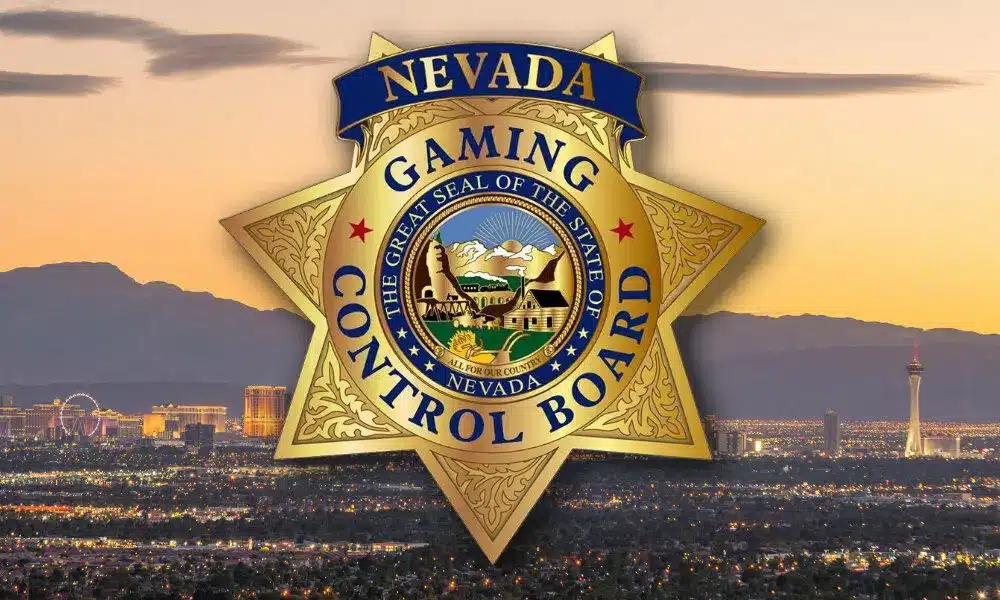
Nevada gaming regulators sue Coinbase, seeking to block sports event contracts and signaling an aggressive crackdown on prediction markets statewide.
The Nevada Gaming Control Board has sued Coinbase in Carson City District Court, seeking to halt what regulators allege is the offering of unlicensed sports wagering through the company’s newly launched prediction markets product.
The complaint, filed February 2, 2026, asks the court to issue both a temporary restraining order (TRO) and a preliminary injunction preventing Coinbase from offering sports-related event contracts in Nevada. The move comes just one day after Coinbase launched its prediction markets product, underscoring the state’s increasingly aggressive posture toward platforms offering sports event contracts without a Nevada gaming license.
The lawsuit mirrors the Board’s recent legal success against Polymarket, which was blocked in the same court late last month.
What Nevada Is Seeking in Court
According to filings referenced by industry observers, the NGCB is pursuing two immediate legal remedies:
- Temporary Restraining Order (TRO):
To immediately stop Coinbase from offering sports-related event contracts in Nevada. - Preliminary Injunction:
To extend the prohibition while the court considers the full merits of the case.
Nevada regulators argue that Coinbase’s product constitutes sports wagering under state law, and therefore requires licensure and regulatory approval before being offered to residents.
Polymarket Ruling Sets the Legal Foundation
The action against Coinbase closely follows a landmark ruling against Polymarket in the same court.
On January 29, 2026, Judge Jason D. Woodbury issued a 14-day TRO barring Polymarket from operating in Nevada.
Key findings in the Polymarket decision:
- Event-based contracts qualify as “sports pools” under Nevada law
- The court rejected arguments that federal oversight preempts state gambling statutes
- Nevada retains authority to regulate sports wagering within its borders
A preliminary injunction hearing in the Polymarket case is scheduled for February 11, 2026, and legal analysts expect the outcome to influence how the Coinbase case proceeds.
Coinbase’s Prediction Markets Launch Draws Immediate Scrutiny
Coinbase launched its event-contract product in January 2026 through a partnership with Kalshi, positioning the offering as a federally regulated financial product rather than gambling.
The platform allows users to trade contracts tied to real-world outcomes, including sporting events — a distinction Coinbase and similar platforms argue places them under federal jurisdiction.
Nevada regulators disagree.
The NGCB alleges that regardless of product structure, sports-related contracts constitute wagering when offered to Nevada residents, triggering state licensing requirements.
Federal vs. State Authority at the Center of the Fight
At the heart of the dispute is a growing jurisdictional clash between state gaming regulators and platforms operating under federal frameworks.
Prediction market platforms typically point to oversight by the Commodity Futures Trading Commission, arguing that:
- Event contracts are federally regulated financial instruments
- State-by-state intervention fragments national markets
- Inconsistent rules cause “irreparable harm” to innovation
Nevada’s position is blunt: if it looks like sports betting, it is sports betting, and the state regulates it.
Judge Woodbury’s Polymarket ruling suggests Nevada courts are receptive to that argument.
Carson City Emerges as Ground Zero
With two high-profile cases filed within weeks, Carson City District Court has become the focal point of the national prediction markets debate.
Industry observers say Nevada is deliberately moving first to establish precedent in a jurisdiction long considered the gold standard for gaming regulation.
The Coinbase lawsuit sends a clear message: size and brand recognition will not deter enforcement.
Broader Crackdown Expands
The NGCB’s action against Coinbase is part of a wider enforcement campaign.
In recent months, Nevada regulators have also taken steps against:
- Robinhood
- Crypto.com
Each case centers on the same core allegation: offering sports-related event contracts without a Nevada gaming license.
What Comes Next
The immediate focus now shifts to whether the court grants a TRO against Coinbase, a move that would immediately shut down its prediction markets product in Nevada.
Key developments to watch:
- TRO decision in the Coinbase case
- February 11 injunction hearing in the Polymarket matter
- Potential appeals or federal challenges
If Nevada continues to prevail, other states may follow its lead, forcing prediction market platforms to either seek gaming licenses or withdraw from key jurisdictions.
For now, Nevada has made its stance unmistakable: sports event contracts are gambling, and gambling requires a license.
Players trust our reporting due to our commitment to unbiased and professional evaluations of the iGaming sector. We track hundreds of platforms and industry updates daily to ensure our news feed and leaderboards reflect the most recent market shifts. With nearly two decades of experience within iGaming, our team provides a wealth of expert knowledge. This long-standing expertise enables us to deliver thorough, reliable news and guidance to our readers.
Latest News