Nine MLB Clubs Exit FanDuel Sports Network Ahead of New Season
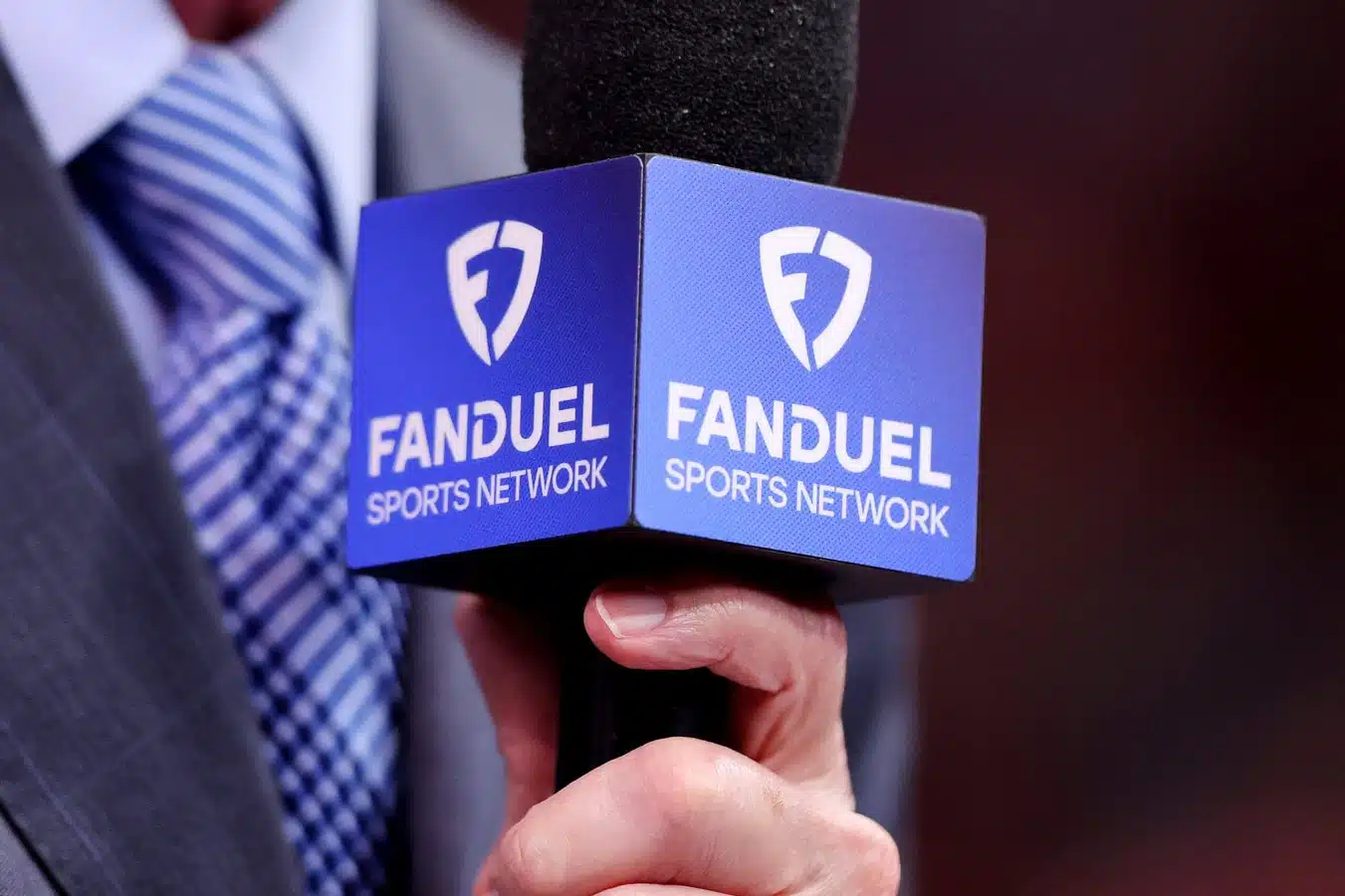
The 2026 professional baseball season is looming, and a significant shift is unfolding behind the scenes of Major League Baseball’s local broadcast landscape. Multiple MLB teams are walking away from FanDuel Sports Network, the rebranded regional sports network formerly known as Bally Sports, amid mounting financial instability from its operator, Main Street Sports Group.
Major Broadcast Changes To MLB Just Weeks Before 2026 Season
Nine teams, or nearly one-third of the league, have terminated their local television agreements with Main Street, opting instead for flexibility as the regular season nears. The move follows a familiar pattern in recent years, as regional sports networks continue to struggle in the face of cord-cutting, missed payments, and shrinking subscriber bases.
Main Street Sports Group emerged from bankruptcy at the start of 2025, but the optimism surrounding its restructuring has proven short-lived. Reports of missed rights-fee payments late last year reignited concerns about the company’s long-term viability, prompting teams to protect themselves before another potential collapse.
MLB Teams Exiting FanDuel Sports Network
The teams that have terminated their agreements with Main Street include:
- Atlanta Braves
- Cincinnati Reds
- Detroit Tigers
- Kansas City Royals
- Los Angeles Angels
- Miami Marlins
- Milwaukee Brewers
- St. Louis Cardinals
- Tampa Bay Rays
Several of those clubs, including the Reds, Royals, Marlins, Brewers, Cardinals, and Rays, have already confirmed that Major League Baseball will handle production and distribution of their local broadcasts this season. The Braves, Tigers, and Angels are still evaluating their next steps, with some exploring independent or hybrid solutions.

MLB Commissioner Rob Manfred has repeatedly said the league is prepared to step in when RSN deals fall apart, and that contingency is now being tested again. Under MLB’s in-house media model, the league produces the broadcasts, negotiates cable and satellite carriage, and offers direct-to-consumer streaming options through MLB.tv.
While the approach provides stability and accessibility for fans, it comes with a financial tradeoff. Traditional regional sports network contracts historically accounted for 20 to 30 percent of a team’s revenue, delivering fixed annual rights fees. MLB’s model, by contrast, pays clubs based on actual revenue generated, often far less than what RSNs once guaranteed.
That reality has implications beyond television. Reduced media revenue can limit payroll flexibility, widen competitive gaps between teams, and place additional pressure on ownership groups already navigating rising costs.
Why Teams Are Opting Out Now
For many clubs, the decision to exit FanDuel Sports Network wasn’t about preference — it was about protection.
- Missed payments raised red flags about Main Street’s ability to meet future obligations
- Ongoing sale talks failed to produce a buyer or fresh capital
- Short-term contracts allowed teams to opt out without long-term penalties
Even teams that previously returned to Main Street after exploring alternatives appear less willing to roll the dice this time.
Main Street Sports Group has stated it plans to continue broadcasting NBA and NHL games through the end of those seasons, but its future beyond that remains uncertain. The company currently holds rights to several basketball and hockey teams, all of whom are reportedly developing contingency plans of their own.
For MLB, there is a broader trend. More than half of the league has seen local TV revenue decline in recent years, and nearly half of all teams could soon fall under MLB’s media umbrella. Whether that represents a temporary bridge or the beginning of a fully centralized broadcast model remains to be seen.
What is clear is that the regional sports network era, once a financial backbone of baseball, is rapidly losing its grip.
Players trust our reporting due to our commitment to unbiased and professional evaluations of the iGaming sector. We track hundreds of platforms and industry updates daily to ensure our news feed and leaderboards reflect the most recent market shifts. With nearly two decades of experience within iGaming, our team provides a wealth of expert knowledge. This long-standing expertise enables us to deliver thorough, reliable news and guidance to our readers.
Latest News