

Indiana senator sets the record straight on recent gambling tax revision objections
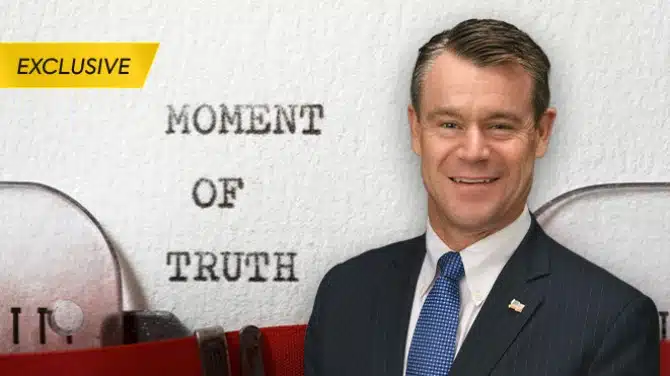
The tax law, signed by President Trump, allows a 90% deduction of gambling losses up to the amount won.
Key Points
- Professional gamblers are worried this could harm the US gaming industry if not reversed
- A provision in the “Big, Beautiful Bill” allows only 90% of gambling loss deductions on people’s tax returns
- The previous allowance was a 100% loss deduction up to the amount
- Sen. Young affirms the proposed changes, but had other reasons to push back against them
US Sen. Todd Young recently raised objections to legislation that would reverse a change on gambling tax revisions, which stalled the proposal in Congress last month.
In an exclusive interview with Gaming America, the Indiana senator’s staff clarified his objections were not due to disagreement with reversing the tax revision.
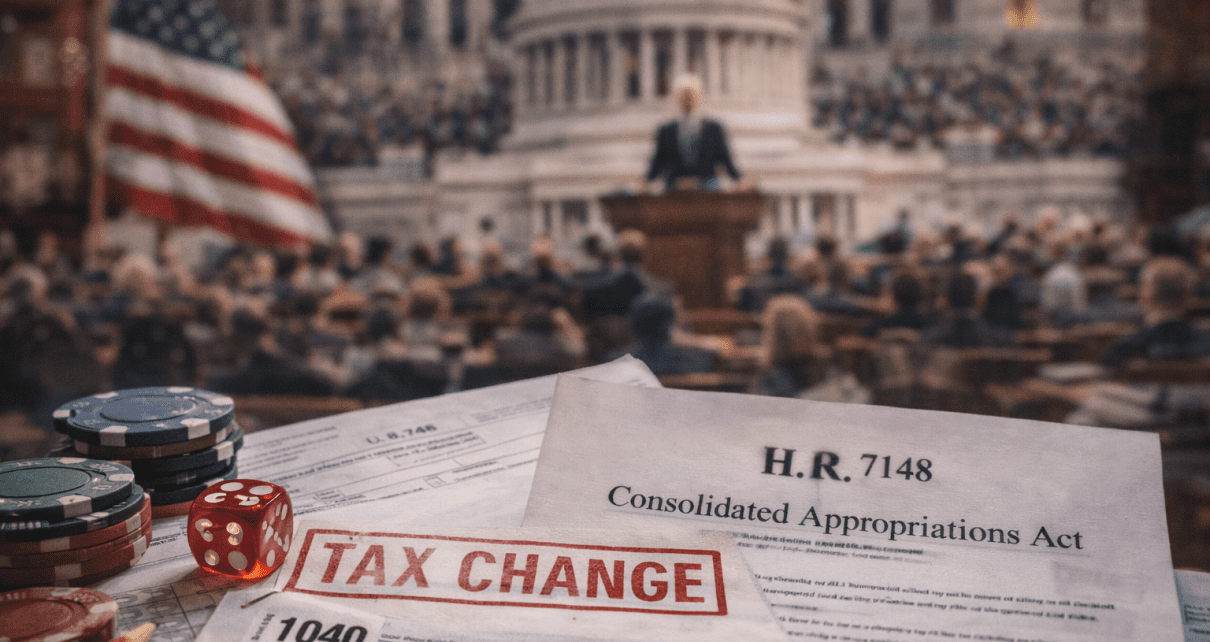
Under the recently signed tax law, players would be allowed to deduct only 90% of their gambling losses up to the amount they have won, a provision that would go into effect next year.
The previous allowance was a 100% loss deduction up to the amount players had won.
According to an Associated Press report, Nevada Sen. Catherine Cortez Masto pushed for unanimous approval of a bill that would roll back this provision. However, Indiana Sen. Todd Young raised concerns, stalling the proposal.
Leah Selk, Press Secretary to Sen. Young, noted the senator affirms the proposed changes, but had other reasons to push back against the measure.
She commented, “Senator Young supports the proposal, but he objected to passing it via unanimous consent if the endowment tax exemption for religious institutions wasn’t fixed as well.”
Both Sen. Cortez Masto’s gambling deduction provision and Sen. Young’s religious exemption provision were part of the House version of the One Big Beautiful Bill Act. However, these provisions were modified in the Senate to comply with the Byrd Rule.
For the gambling provision, the Finance Committee made a slight adjustment to how much of a gambling loss could be deducted to bring into compliance with the Byrd Rule.
As a result, the religious exemption that was included in the House was taken out due to a Byrd challenge. Senator Young supported Sen. Cortez Masto’s proposal on the tax revision but “felt compelled to object” if the endowment tax exemption for religious institutions was also not addressed.
Good to know: Along with other schools, South Bend Indiana’s University of Notre Dame could be affected by the tax exemption for religious institutions if the exemption remains unchanged
Pushback from gambling pros
Professional gamblers have warned this change in legislation “could be the end of the industry.”
Professional poker player Phil Galfond recently echoed this concern on social media before the bill had passed by saying, “This new amendment to the One Big Beautiful Bill Act would end professional gambling in the US and hurt casual gamblers, too.”
According to the AP report, Nevada Sen. Catherine Cortez Masto has pushed for unanimous approval of a bill that would roll back this provision. However, Indiana Sen. Todd Young raised objections, stalling the proposal.
Sen. Cortez Masto explained to the Associated Press this change to gambling deduction allowances was not on many senators’ radars.
“My understanding is many Republicans, many Democrats did not even know it was part of that process,” she told the AP.
President Donald J. Trump signed this legislation last month as part of the “One Big Beautiful Bill,” which contains more than 900 pages. The current provision is projected to generate more than $1.1bn in tax revenue over eight years, according to a recent Associated Press report.
Players trust our reporting due to our commitment to unbiased and professional evaluations of the iGaming sector. We track hundreds of platforms and industry updates daily to ensure our news feed and leaderboards reflect the most recent market shifts. With nearly two decades of experience within iGaming, our team provides a wealth of expert knowledge. This long-standing expertise enables us to deliver thorough, reliable news and guidance to our readers.
Latest News