AGA believes One Big Beautiful Act forms ‘unfair precedent’ on gambling
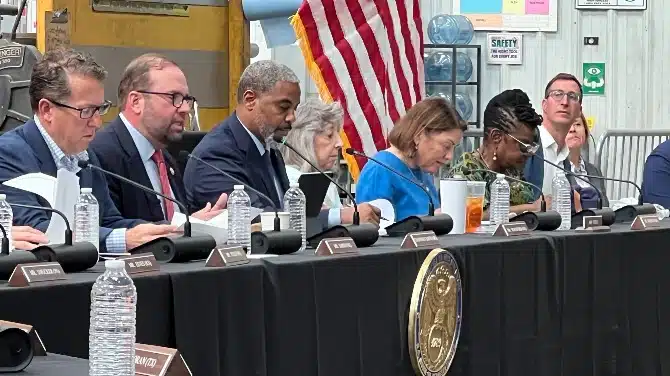
The AGA submitted a letter to the House Ways and Means Committee commending legislators on ‘positive’ tax policies while reiterating the need for a resolution on wager deduction limitations.
Key Points
- The letter was shared prior to a field hearing in Las Vegas, Nevada on July 25, held by the House Ways and Means Committee along with Nevada Representatives Dina Titus and Steven Horsford
- Titus filed the Fair Bet Act on July 7 in an attempt to reverse the gambling loss tax cap signed into law by President Donald Trump on July 4
Ahead of a field hearing held by the House Ways and Means Committee in Las Vegas, Nevada on July 25, the American Gaming Association (AGA) sent a letter to the Committee sharing its thoughts on the gambling loss tax deduction cap signed into law by President Donald Trump on July 4 as part of the Big Beautiful Bill Act.
The AGA commended legislators for numerous “positive” tax policies signed into law within the budget legislation for 2026, such as maintaining a 21% corporate tax and deductions for “pass-through businesses” as well as the restoration of 100% bonus depreciation and R&D.
Despite the House of Representatives first including writing that would allow for 100% deductions on any gambling losses reported for the fiscal year, Senate provisions then enforced a deduction cap of 90%.
President Trump’s budget reconciliation bill would only allow for gamblers to deduct 90% of their losses along with any winnings made throughout the year, meaning if a player won $100,000 in 2025 but also lost $100,000, they still have to pay $10,000 in taxes.
“We were gratified to see that the House passed bill included the 100% deduction for gambling losses, a 70-year bipartisan principle, that allows gamblers to deduct losses up to their winnings, a standard that was reaffirmed by the 2017 Tax Cuts and Jobs Act,” AGA President & CEO Bill Miller said in the letter.
“However, because of Senate procedural rules, this provision was changed to allow for only 90% limitation on gambling loss deductions. The result creates an unfair precedent by taxing phantom income and uniquely penalizing a legal, heavily regulated activity. We encourage timely action to restore fairness and consistency in the tax code for American consumers and look forward to working with you to revert to the House language.”
Good to know: Legislators also reinstated a $2,000 threshold for slot winnings to be reported for tax purposes, resulting in “less compliance burdens” for patrons and operators according to the AGA
The field hearing was also attended by Nevada Representatives Steven Horsford and Dina Titus, who filed the Fair Accounting for Income Realized from Betting Earnings Taxation (Fair Bet) Act on July 7 in an attempt to reverse the gambling loss tax cap signed into law by President Trump.
“My Fair Bet Act would rightfully restore the full deduction for losses so gamblers don’t pay taxes on money they haven’t won,” Titus said when introducing the legislation.
“It gives everyone – from recreational gamblers to high-stakes gamblers – a fair shake.”
While the Fair Bet Act has gained support from figures such as Circa Sports CEO Derek Stevens, the legislation may struggle to receive approval prior to the Big Beautiful Bill Act going into effect on January 1, 2026.
At the time of writing, the full US congress isn’t scheduled to meet until September, while the bill would also need to receive a formal vote from the committee as well as pass through both the House of Representatives and Senate.
Players trust our reporting due to our commitment to unbiased and professional evaluations of the iGaming sector. We track hundreds of platforms and industry updates daily to ensure our news feed and leaderboards reflect the most recent market shifts. With nearly two decades of experience within iGaming, our team provides a wealth of expert knowledge. This long-standing expertise enables us to deliver thorough, reliable news and guidance to our readers.
Latest News