FanDuel Was Valued at $559 Million Eight Days After PASPA Fell. Flutter Later Bought the Rest for $4.2 Billion. That Gap Is Now a Lawsuit.
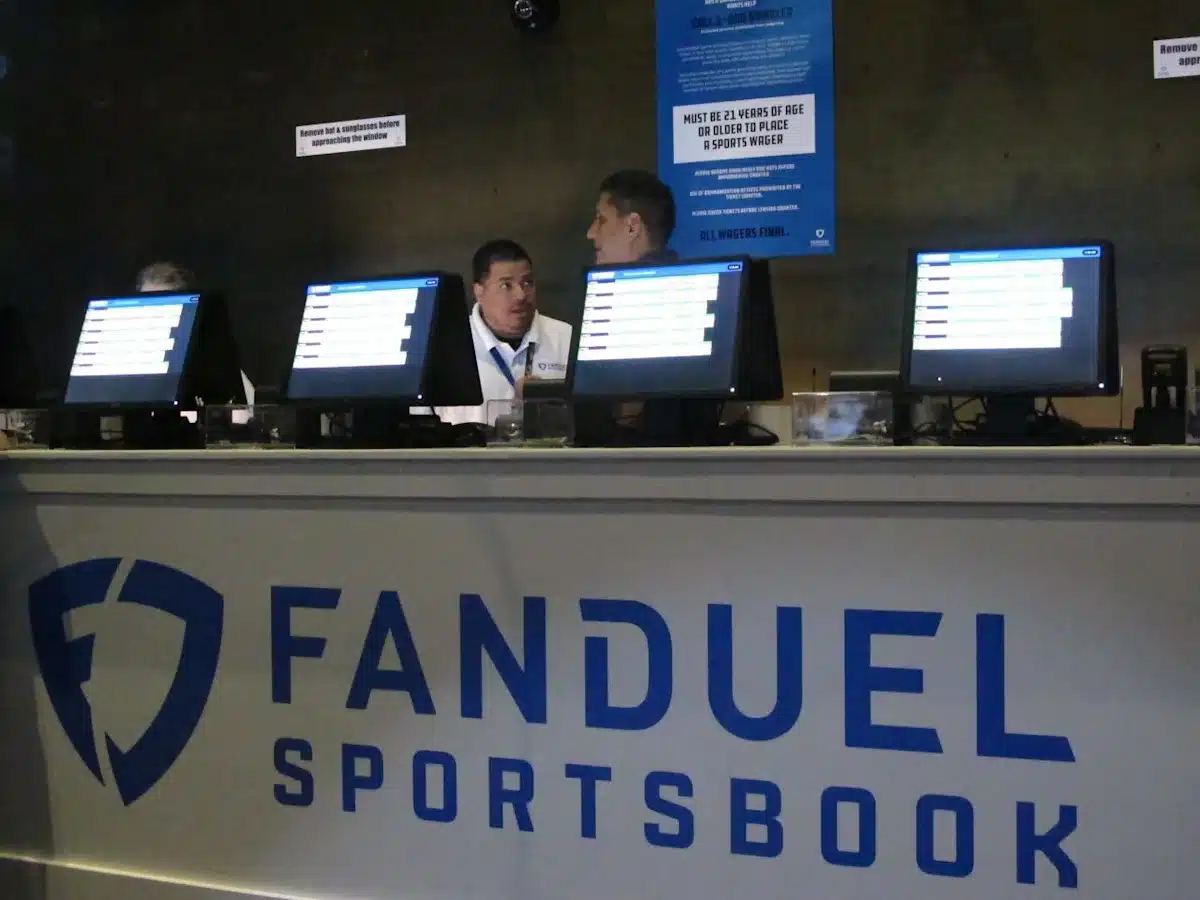
On May 14, 2018, the U.S. Supreme Court struck down the Professional and Amateur Sports Protection Act, opening the door to legal sports betting across the country.
Eight days later, on May 22, FanDuel’s board approved a merger with Paddy Power Betfair, valuing FanDuel’s stake in the combined entity at $559 million. The preferred shareholders captured all of the merger proceeds at that valuation. Common shareholders, including co-founder Nigel Eccles and more than 100 founders, early employees, and investors, received nothing.
In December 2020, Flutter Entertainment acquired most of the remaining stake in the combined PandaCo entity for approximately $4.2 billion.
The gap between those two numbers, $559 million and $4.2 billion, separated by less than three years and a Supreme Court decision that everyone in sports betting knew was coming, is the heart of a lawsuit that a New York Supreme Court judge largely allowed to proceed on July 9, denying motions to dismiss from KKR and Shamrock Capital Advisors on the central claims of breach of fiduciary duty, fraud, unlawful means conspiracy, secret commissions, and aiding and abetting breach of fiduciary duty. FanDuel continues to be operated by Flutter as it navigates the current climate in the sports gambling world, but none of that matters in this case.
“This is an interim but important step as we move towards being able to present all of the evidence in court,” Eccles wrote on X after the ruling.
A Strategicaly Low Valuation, or a Distressed Company With Lower Value
The case’s central allegation is that the $559 million valuation was not a good-faith assessment of FanDuel’s worth but a number engineered to fall below the threshold at which common shareholders would receive any merger proceeds under FanDuel’s Articles of Association. Under the company’s preferred share structure, proceeds from a transaction below a certain level flowed entirely to preferred shareholders. KKR and Shamrock held preferred shares. Founders, early employees, and common stockholders did not and would ultimately be left out.
The plaintiffs argue the board knew this and set the valuation accordingly. Their evidence for the bad-faith valuation includes the PASPA timing: FanDuel’s own internal assessments before the merger reportedly valued the company significantly higher, a proposed merger with DraftKings in 2017 had valued FanDuel at approximately $1.2 billion before the FTC blocked it on antitrust grounds, and the board approved the $559 million figure eight days after the Supreme Court had opened the door to the single biggest expansion of legal sports betting in American history.
The defendants’ counter-narrative is direct. FanDuel accumulated over $232 million in losses in 2017 under Eccles’s leadership. The company was, by the defendants’ account, on the verge of collapse. The Paddy Power Betfair deal was described in their filings as the only lifeline available to save the company. Under that reading, the $559 million was not a depressed valuation engineered to cut out common shareholders. It was the highest possible number a distressed company could actually command.
Both versions of events will now proceed toward discovery, where documents, emails, and internal valuations will either support or undermine each side’s account.
The Matt King Thread Could Play a Major Role
The expanded complaint names former FanDuel CFO and CEO Matt King individually for fraud. King managed the transaction as CFO and subsequently became CEO of FanDuel before departing to lead Fanatics Betting and Gaming, where he leads one of the most ambitious new entrants in the US sports betting market.
A fraud claim against a sitting major sportsbook CEO, now heading toward discovery, is a material detail that most coverage of Tuesday’s ruling has underweighted. Discovery in fraud cases produces numerous documents. Documents in fraud cases tend to surface in ways that create complications well beyond the original lawsuit. King has denied any wrongdoing, and the defendants have moved aggressively to dismiss the case at every stage, including the arbitration maneuver earlier this year in which FanDuel sought to pull the case into arbitration on the grounds that Eccles had breached his separation agreement.
That arbitration gambit failed, and now the case is in the New York Supreme Court wth discovery coming.
Two Sides Fighting for Eight Years, With Plenty on the Line
Eccles filed his first lawsuit in Scotland in 2018, the same year the merger closed. The Scotland case failed on jurisdictional grounds and was abandoned. He refiled in New York in 2020. The New York trial court allowed three of five claims to survive the first motion to dismiss. The Appellate Division reversed that ruling in 2022 on the grounds that under Scots law, FanDuel’s directors owed duties to the company rather than to shareholders individually. The New York Court of Appeals revived the case in 2024, finding the plaintiffs had stated valid claims. The case returned to Judge Masley on remand, and the defendants filed new motions to dismiss the amended complaint. Judge Masley denied most of them on July 9, so here we are.
Eight years and three jurisdictions with three dismissal attempts. But the case is still alive, and the most important phase, discovery, has not yet begun.
The procedural history matters because it illustrates how determined both sides are in this case. Eccles has spent eight years, and presumably incurred significant legal fees, pursuing a case that has been dismissed and revived multiple times. KKR, Shamrock, and their co-defendants have fought dismissal at every stage rather than settle, which suggests they believe the underlying facts support their version of events. When both sides fight this hard on procedure, discovery tends to produce the kind of internal communications that neither side is fully prepared for, and the entire industry would be interested to see what is there.
Discovery Will Ultimately Reveal the Full Picture
The defendants will argue that Flutter’s 2020 acquisition price proves nothing about the 2018 valuation. Two and a half years had passed, and the sports betting market had grown substantially. FanDuel’s business scaled dramatically, and that increase in value reflects what happened after the merger, not what the company was worth when the merger closed.
That argument is defensible in isolation, but it becomes harder to do so when combined with the eight-day timing. The PASPA ruling was not a surprise to anyone. The Supreme Court granted certiorari in October 2017. Legal betting’s impending legalization was the single most discussed development in the American gaming industry throughout early 2018. Everyone involved in the FanDuel transaction knew on May 14 that the sports betting market was about to burst wide open. The question the plaintiffs will press in discovery is what internal projections showed about FanDuel’s value in a post-PASPA world, and whether those projections were visible to the board when it approved the $559 million figure eight days later.
If those documents show that the board was modeling a significantly higher valuation in the sports betting scenario and approved $559 million anyway, the fraud allegation becomes considerably more concrete, as it appears to be a strategically low valuation. If they can show that the company was genuinely in distress and no better offer was available, the defendants’ narrative holds.
Either way, the number that started this lawsuit, $559 million, will now be examined against every internal document produced in discovery. That examination is worth watching regardless of who ultimately prevails.
Players trust our reporting due to our commitment to unbiased and professional evaluations of the iGaming sector. We track hundreds of platforms and industry updates daily to ensure our news feed and leaderboards reflect the most recent market shifts. With nearly two decades of experience within iGaming, our team provides a wealth of expert knowledge. This long-standing expertise enables us to deliver thorough, reliable news and guidance to our readers.
Latest News