
Happy Valley Casino’s Revenue Jumped 380% in Month Two, But Don’t Read Too Much Into It
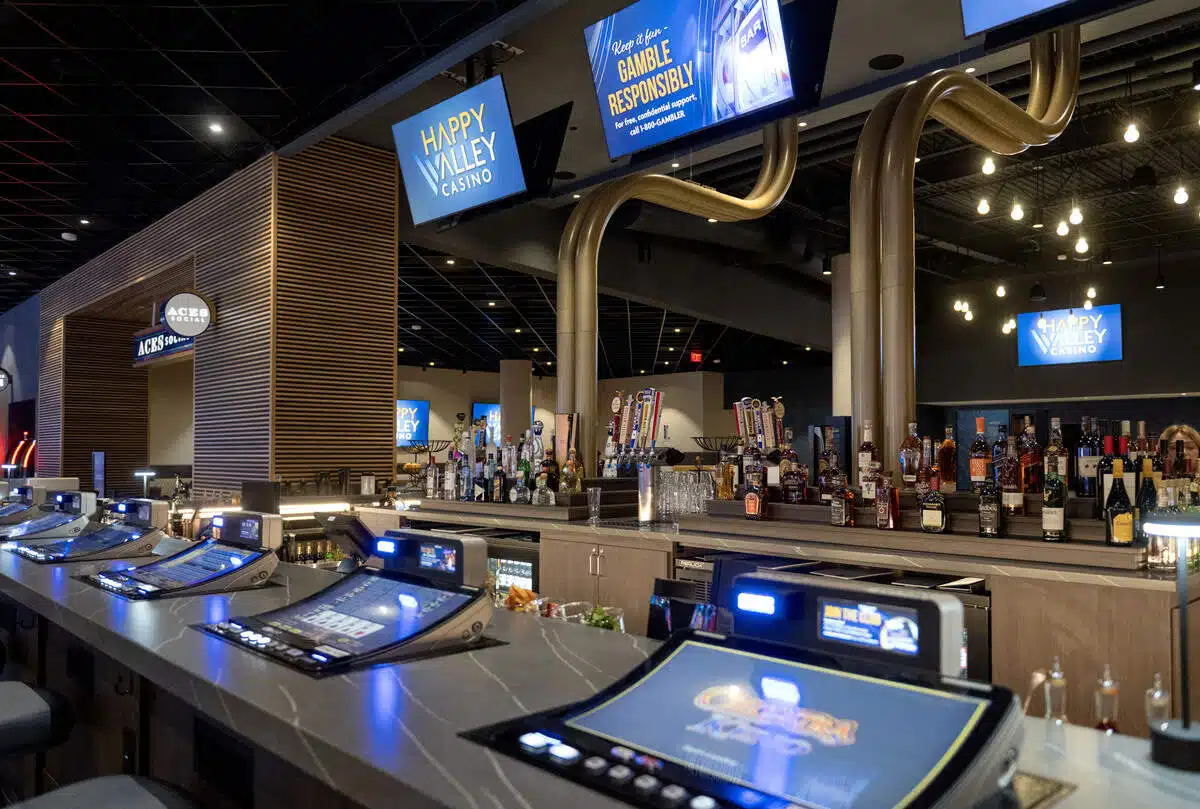
Happy Valley Casino posted a sharp revenue increase in its second month of operation, with slot wagers rising from roughly $6.5 million in May to more than $31 million in June.
According to figures released by the Pennsylvania Gaming Control Board, gross revenue for slots climbed from about $713,000 to approximately $3.1 million. Table games revenue also rose. The numbers prompted considerably more optimistic coverage than the first-month report, which landed the casino in last place among Pennsylvania’s brick-and-mortar properties and sparked a round of community commentary that was, to put it charitably, not enthusiastic about the property’s prospects.
Before treating the jump as a vindication of anything, it is worth understanding what actually changed.
A Jump in Numbers During Low Season in Happy Valley
Happy Valley Casino opened to the public on April 27, meaning May was its first full month of operation, but April contributed only a few days of revenue to the initial report. More importantly, May is arguably the worst possible month for a casino positioned adjacent to Penn State’s campus and Beaver Stadium. The academic year ends in early May, and the football season does not start until September. Arts Fest, one of the largest annual events in State College that draws tens of thousands of visitors to the area, runs in late July. None of those traffic drivers were present during the casino’s first full month.
June represents a more normalized operating environment, though still not the peak the casino’s operators are counting on. The real test comes in the fall, when Penn State football weekends will deliver the kind of concentrated visitor traffic that the casino’s entire business case is built around.
A home game at Beaver Stadium draws crowds of over 100,000 people to a metro area with a normal population of roughly 40,000. That differential is what makes State College an interesting casino market in the first place, and it is essentially absent from both months of revenue data published so far.
Looking to Piggyback Off College Football Weekends
The community opposition to Happy Valley Casino was documented and sustained before the property ever opened. College Township residents repeatedly expressed opposition during the approval process, and comments following the first-month revenue report included detailed predictions of failure from neighbors who made it clear they had no intention of visiting. One observer noted that the casino came to the area because Penn State trustee Ira Lubert assisted with the approval process over the objections of what some community members described as the overwhelming majority of local residents.
That opposition is a relevant context for interpreting the revenue data because it shapes what the realistic customer base actually looks like. A casino that opened against the expressed wishes of much of the permanent resident population is more dependent than most on transient visitors, football weekend traffic, and the segment of the local population that does not share its neighbors’ views. That is a narrower base than a typical regional casino, and it makes the fall football calendar more important to the property’s financial viability than it would be for a facility in a market that welcomed its presence.
The general manager who led the property through its opening, Eric Pearson, departed the role roughly two months after the April 27 opening. The majority owner, Saratoga Casino Holdings, described the departure as planned and anticipated. Whether planned or not, losing the CEO and general manager in the middle of the property’s launch period is a notable event that received little attention amid the first-month revenue discussion.
Pennsylvania Mini-Casinos Await Skill-Game Regulation Ruling
Happy Valley is one of several Category 4 mini-casinos that Pennsylvania has authorized under the 2017 Gaming Expansion Act, designed to extend the state’s gambling footprint into markets underserved by larger destination properties. The model has had mixed results across the state: some mini-casinos have performed reasonably well in their markets, while others have struggled to generate the tax revenue that municipalities and the state built into their budget projections.
College Township budgeted $762,000 in casino revenue for 2026 based on initial projections. At the first month’s pace, the township was on track to reach roughly $560,000 for the year. The second month’s improvement helps, but the property needs sustained strong performance through the fall football season to bring its municipal contribution in line with what College Township anticipated when it approved the project.
The Pennsylvania Gaming Control Board also has a decision pending that could affect the entire mini-casino category: the skill-games regulatory question, now operating under a 120-day Supreme Court deadline, could reshape how the state approaches small-format gambling facilities if a skill-game licensing framework passes. Happy Valley operates in the same physical retail environment as the bars, convenience stores, and restaurants that have been hosting the skill game machines the state is now trying to regulate. How that landscape settles will affect the competitive environment in which mini-casinos, such as Happy Valley, operate, regardless of how their own revenue numbers trend.
For now, the 380% revenue jump is real, the underlying explanation is largely seasonal, and the casino’s actual trajectory will be legible sometime around mid-October, after a few Penn State home games have run through the weekend numbers.
Players trust our reporting due to our commitment to unbiased and professional evaluations of the iGaming sector. We track hundreds of platforms and industry updates daily to ensure our news feed and leaderboards reflect the most recent market shifts. With nearly two decades of experience within iGaming, our team provides a wealth of expert knowledge. This long-standing expertise enables us to deliver thorough, reliable news and guidance to our readers.
Latest News