As Pennsylvania Lawmakers Race to Regulate Skill Games, the Fight Is Once Again About Taxes

Pennsylvania’s skill games debate has been running in circles for years. The machines proliferate; Harrisburg argues over the tax rate; nothing passes, and the machines keep proliferating.
Could this time somehow be different? The Pennsylvania Supreme Court ruled last week that skill games are gambling devices subject to the state’s Gaming Act and Crimes Code, starting a 120-day clock for the legislature to pass a regulatory framework or allow a widespread law enforcement crackdown on an estimated 70,000 machines operating in convenience stores, bars, clubs, and other venues across the state.
That deadline is a new part of this saga, bringing a sense of urgency that hasn’t been felt in the state. The tax argument is the anchor that has always been present.
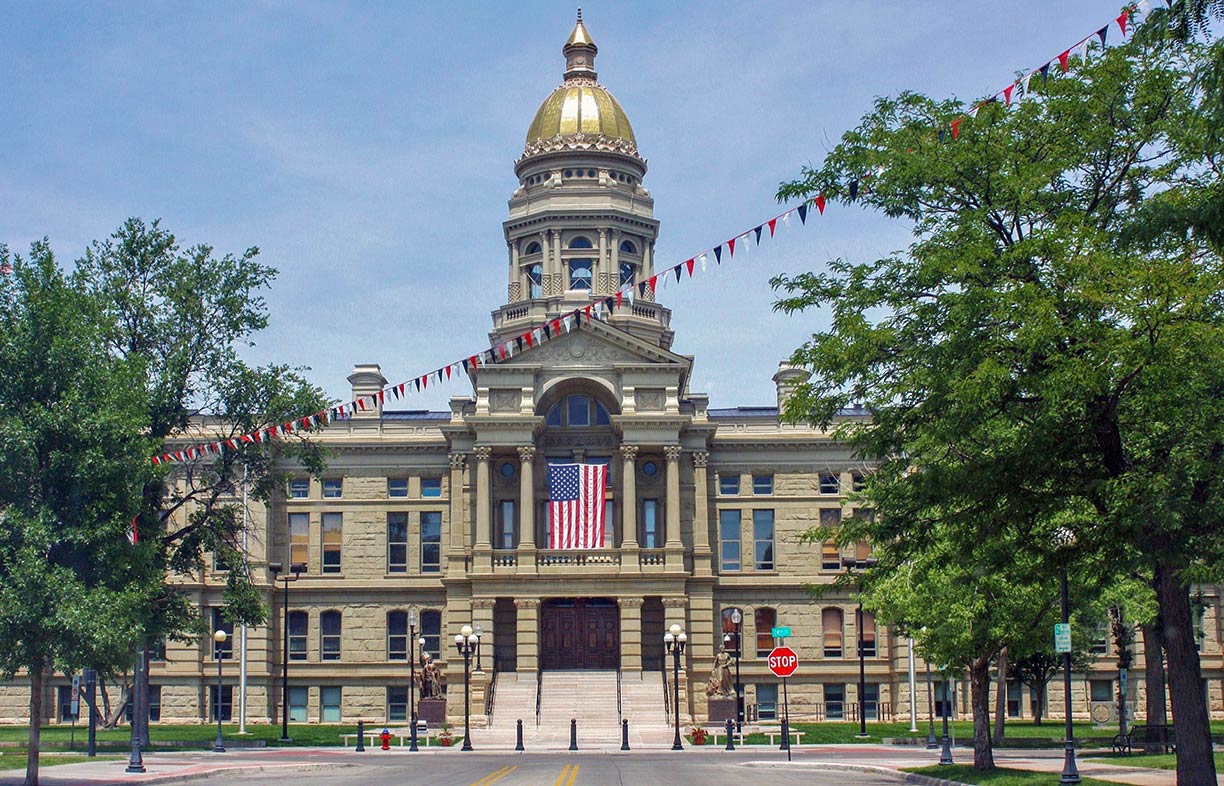
Several hundred veterans, volunteer firefighters, and small business owners rallied on the Capitol steps on Wednesday, arguing that a high tax rate would hollow out the revenue that skill games provide to the charitable organizations and small businesses that host them. The day before, Governor Josh Shapiro had made clear what he wants: a 52% tax on gross terminal revenue from skill games, in line with the rate Pennsylvania already applies to casino slot machines, which his administration estimated would generate more than $2 billion annually.
The gap between those two positions is where Pennsylvania has been stuck for the better part of a decade.
Competitive Equity vs. Small Business Operators on the Front Lines of the Tax Debate
State lawmakers’ greatest hurdle in regulating skill games has been their inability to reach a consensus on the proper tax rate. Senate Republicans have previously backed 35-36%. Pace-O-Matic, the dominant skill game manufacturer, blew up working relationships with Senate GOP leadership last year when negotiations over a 35% rate collapsed. One senator whose district includes a Pace-O-Matic facility sponsored competing legislation at 16%. Shapiro has long proposed 52%. Some of these numbers are not in the same ballpark and shed light on how far the gap has been at times.
Both debates have been going on for years, with various proposals ranging from 16% to 52%, or replacing a percentage-based tax entirely with a flat fee of a few hundred dollars per machine per month. The range tells you something: these are not minor calibration differences around a shared understanding of what the market can bear. They reflect entirely different theories of what skill games are, who they serve, and how much of their revenue the state is entitled to claim.
Shapiro’s 52% argument rests on competitive equity. Pennsylvania casinos pay more than 55% of gross terminal revenue in taxes, 34% of which funds property tax relief programs. The CEO of Parx Casino argued this week that skill games have drained more than $250 million in total casino gaming taxes from the state by operating outside the regulated framework. If a machine in a convenience store provides functionally identical entertainment to a machine on a casino floor, the equity argument for taxing them identically is not unreasonable.
The small business counterargument is also not unreasonable. A convenience store or American Legion post that hosts skill games for supplemental revenue is not operating a casino, does not have a casino’s marketing budget, a casino’s amenities, or a casino’s ability to absorb a 52% tax bite on its gaming revenue. The businesses hosting these machines are not Parx or Rivers. Treating them identically because their machines look similar misses the structural difference in how the revenue fits into each operator’s overall economics.
Significant Consequences Hang in Limbo as the Budget Deadline Approaches
These conversations and debates are not new in the Keystone State. What is different about this year is that the Supreme Court’s ruling has fused the skill games debate to the budget process in a way that was not true before. Senate Republican leaders called the ruling a “critical piece of resolving this year’s budget.” State Sen. Anthony Williams said lawmakers supporting skill games could threaten to block the budget if the legislature fails to agree on a regulatory framework, reflecting how central the machines have become to the political math in Harrisburg.
Shapiro’s proposed $53.3 billion spending plan draws $4.5 billion from the state’s Rainy Day Fund and relies on revenue from skill games to close a structural deficit. His other major revenue idea, legalizing recreational marijuana, has generated no legislative movement. That leaves skill games as the primary new revenue source available before the budget deadline. The 120-day safe harbor gives the legislature time to negotiate, but it also means that failure to act produces a different outcome than the comfortable stalemate that has prevailed for years: law enforcement would be free to seize machines that are now generating revenue for thousands of businesses and organizations across the state. It’s a hard deadline with significant consequences for many.
A Franklin and Marshall College poll found that 7 in 10 Pennsylvania voters favor regulating and taxing the machines, which gives all parties political cover to act. The question is whether the tax rate gap, which has derailed negotiations multiple times, proves narrower under deadline pressure than it has been in previous budget cycles.
Pennsylvania Has Solved the Hard Question, but Needs to Settle on How to Tax It
The definitional fight Pennsylvania has been having, whether skill games are gambling devices or amusement devices, has now been settled by the state’s highest court. The ruling found that the “skill” element was not prominent enough relative to the chance-driven slot machine mechanics to exempt the games from gambling regulation. Pennsylvania applied what amounts to a predominant factor test and found that chance predominated. When it comes to this debate, Pennsylvania might be one of the leaders in the nation, as states across America struggle to define gambling or how to measure it.
Missouri’s attorney general is currently fighting businesses that argue their pre-reveal gaming devices are categorically different from regulated gambling machines. Texas’s AG issued an opinion applying the strictest possible “any chance” standard. None of these states has fully resolved the question in a way that generalizes cleanly to the others. Pennsylvania’s court has now resolved it for Pennsylvania, removing one obstacle and leaving the one that has always been the real fight: not whether to regulate, but how much to tax without creating competitive advantages or disadvantages for different operators.
The rally on the Capitol steps on Wednesday was about that question. So was every failed legislative session before it.
Players trust our reporting due to our commitment to unbiased and professional evaluations of the iGaming sector. We track hundreds of platforms and industry updates daily to ensure our news feed and leaderboards reflect the most recent market shifts. With nearly two decades of experience within iGaming, our team provides a wealth of expert knowledge. This long-standing expertise enables us to deliver thorough, reliable news and guidance to our readers.
Latest News