
Hard Rock Bet Joins the Trend Against Credit Card Deposits
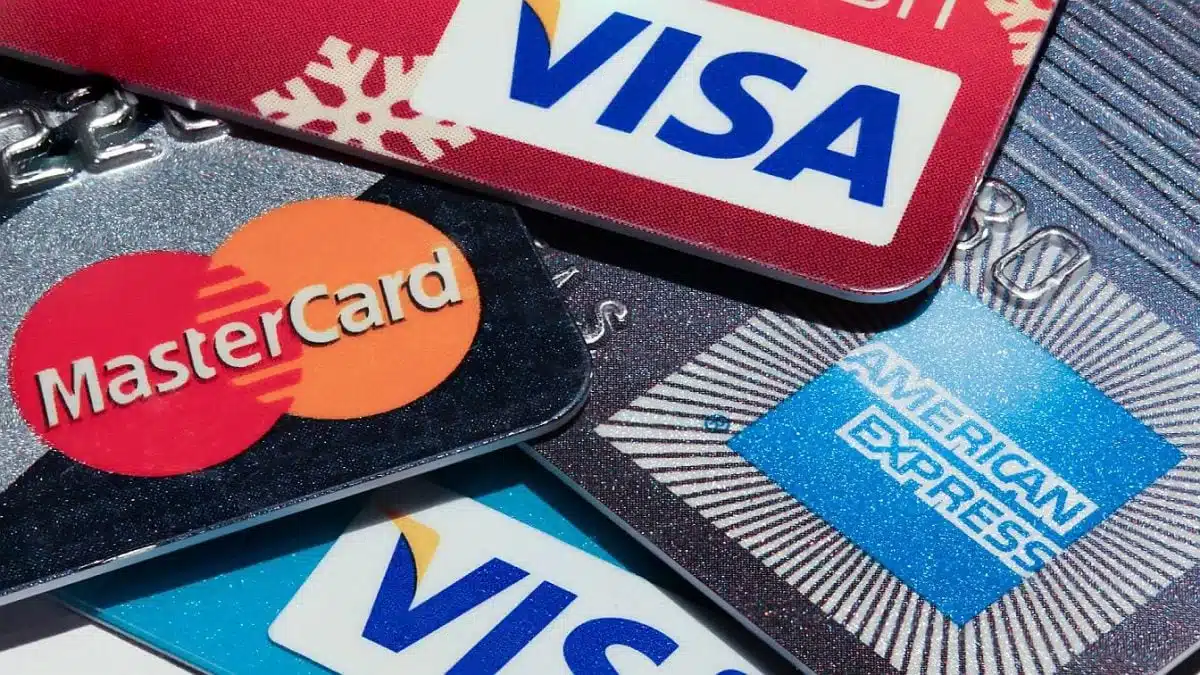
Hard Rock Bet has stopped accepting credit card deposits across its U.S. sportsbook and online casino products, completing a phased rollout across its American operating markets this week.
The operator also does not accept credit cards in Ontario, where it launched earlier this month. A spokesperson described the decision as reflecting a broader industry shift toward responsible gaming and encouraging alternative payment methods, including debit cards, bank transfers, and digital wallets.
The move puts Hard Rock Bet in line with most of the major operators in the U.S. market. FanDuel, DraftKings, BetMGM, and Caesars Sportsbook have all stopped accepting credit card deposits in recent years. Caesars stopped accepting credit cards in April 2026.
DraftKings stopped accepting them in August 2025, a month after the Massachusetts Gaming Commission fined the company $450,000 for illegally accepting more than $83,000 in credit card funds in violation of that state’s prohibition.
Credit Cards Are a Problem for Gambling Deposits
The core consumer protection issue is that credit card transactions at gambling sites are almost universally processed as cash advances rather than purchases. Cash advances trigger immediate interest charges, often at rates above 25%, with no grace period. Fees typically run 3% to 5% of the transaction amount on top of the interest. A bettor who deposits $500 on a credit card may owe $25 in fees plus interest immediately, before placing a single wager.
Senator Elizabeth Warren cited exactly that dynamic when she sent letters to major operators, including Hard Rock Digital, urging them to stop accepting credit cards. “While Americans who gamble in states where it is legal should remain free to do so,” Warren wrote, “they should not have to deal with undisclosed credit card fees that rig the odds against them.”
The responsible gaming push that has emerged with the expansion of gambling across the US also applies here. Debit cards draw from existing funds, but credit cards allow bettors to spend money they do not have, which intersects directly with the compulsive gambling patterns that problem gambling treatment providers identify as the most financially destructive. A bettor chasing losses with borrowed money at 25% interest is in a qualitatively worse position than one spending from an account with a fixed balance.
States Are Moving Toward Mandates
The voluntary industry shift is increasingly being reinforced by state regulation. Massachusetts, Iowa, and Tennessee already prohibit credit cards for online sports betting. Colorado, Maine, and Virginia added bans earlier this year. Maryland and Pennsylvania have heard similar recommendations in recent months, and the Ohio Casino Control Commission is working to finalize a sports betting credit card ban.
The state-level pattern suggests the remaining operators still accepting credit cards face an increasingly constrained environment. With six states now prohibiting the payment method and several more actively considering it, maintaining credit card deposit functionality requires separate compliance frameworks for each state rather than a single national policy. The operational simplicity of removing credit cards entirely, alongside the responsible gaming positioning benefit, makes the voluntary exit an increasingly easy business decision.
Three major sportsbook brands still accept credit cards in states that have not yet banned them. Given the trajectory of state regulation, that group is likely to shrink further before year-end.
Players trust our reporting due to our commitment to unbiased and professional evaluations of the iGaming sector. We track hundreds of platforms and industry updates daily to ensure our news feed and leaderboards reflect the most recent market shifts. With nearly two decades of experience within iGaming, our team provides a wealth of expert knowledge. This long-standing expertise enables us to deliver thorough, reliable news and guidance to our readers.
Latest News