Vegas Buffets Are Disappearing Because Gambling Stopped Paying for Them
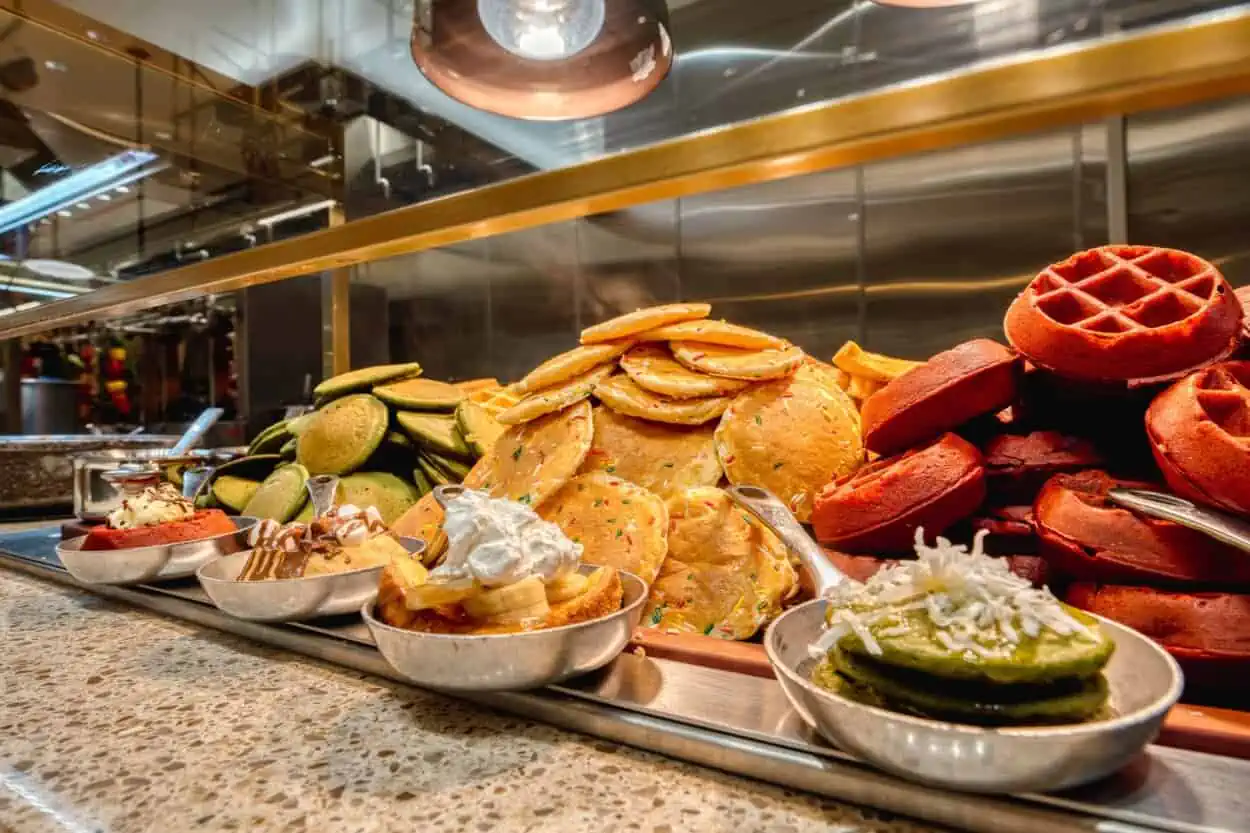
MGM Resorts is closing its remaining Vegas buffets by 2027, and it appears that gambling profits are no longer covering the costs.
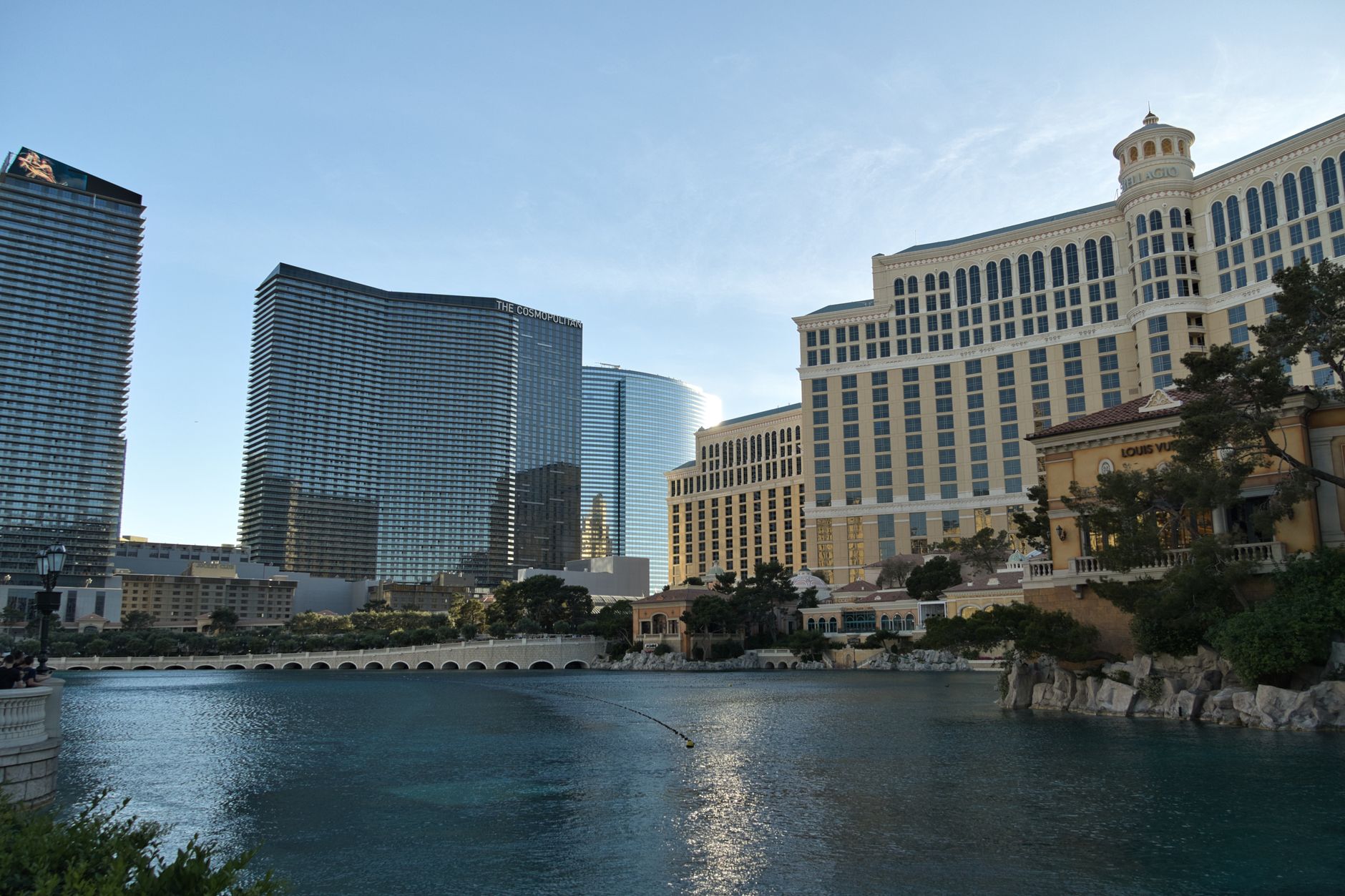
Vital Vegas reported this week that MGM Resorts is planning to close its three remaining Las Vegas buffets by the second quarter of 2027. The Excalibur and Bellagio buffets are expected to shutter first, with the Wicked Spoon at the Cosmopolitan the last to fall. The reporting attributes the timeline to a staff meeting hosted by Mike Neubecker, COO of MGM Grand, Excalibur, New York-New York, Mandalay Bay, and Luxor. MGM Resorts has not publicly confirmed it.
The reporting follows MGM’s confirmed announcement that the MGM Grand Buffet will close on May 31 after 32 years of continuous service. The MGM Grand Buffet opened with the resort in 1993, originally branded as the Oz Buffet in keeping with the property’s Wizard of Oz theme. Its closure leaves seven traditional buffets on the Strip. If the Vital Vegas reporting holds, that number will be down to four by mid-2027.
The trend is decades in the making, and it tells you more about how casino economics have changed than almost any other Strip-level data point.
The Insider Numbers That Ultimately Killed the Buffet
The most useful piece of context comes from the historical revenue split that almost every reporter on this story has cited. Through the 1970s and 1980s, roughly 75 percent of a typical Strip casino’s revenue came from gambling. The other 25 percent came from rooms, food, entertainment, and everything else. By the early 2000s, that ratio had flipped. Dining, entertainment, hotels, and retail were producing 75 percent of revenue, with gambling generating the remaining 25 percent.
This is the math that quietly determined the fate of the legendary Vegas buffet. When gambling subsidized the rest of the property, an unprofitable all-you-can-eat operation was a logical loss leader. The buffet kept guests on the premises. It absorbed dinner traffic that would otherwise wander to a competitor. The cost was made up in slot handle and table drop later in the evening.
Once that ratio flipped, the buffet became a tenant on the floor like everything else. Caesars Entertainment publicly disclosed that its buffets were losing roughly $3 million per year before the pandemic. The Mirage’s transformation of the Strip into a fine-dining and entertainment capital in the 1990s, followed by the celebrity-chef restaurant wave of the 2000s, made every square foot a competitive asset. A 15,000-square-foot buffet on the MGM Grand floor is now real estate that has to justify itself against the slot machines or signature restaurants that could replace it.
The Pandemic Was Cover, But Not Specifically the Cause
It would be easy to attribute the decline to COVID-era germophobia and food-service caution, and that is part of the picture. Buffets across the entire restaurant industry have struggled since 2020. Sneeze guards, single-serve options, and staffed service lines have replaced self-service in most categories. Casino buffets that survived the pandemic largely did so by reinventing themselves as upscale, attendant-driven dining rather than the all-you-can-eat warehouses they once were.
However, the operators themselves have been clear that the underlying economics were already noticeable. Vital Vegas characterized the pandemic as a veil that “gave casinos cover to pull the trigger” on an operation that had been on the chopping block for years. Caesars’ pre-pandemic loss figures were no secret. Buffets are labor-intensive, food-intensive, and waste-intensive. Replacing them with food halls, fast-casual concepts, or additional gaming space generates significantly higher revenue per square foot at significantly lower operating costs.
The pandemic accelerated a decision the industry had already made. The buffet was going away and COVID just compressed the timeline.
What Replaces The Legendary Buffets Tells the Real Story
The more revealing question is what fills the space. MGM Resorts has not announced a use for the 15,000 square feet at the MGM Grand. Vital Vegas suggested, with some sarcasm, that “the smart money is on more slot machines.” Across the Strip, the actual pattern has been a mix of two things: high-margin replacement food concepts and additional gaming square footage.
The food halls at properties like Resorts World and Fontainebleau are the polite version of the model. They aggregate multiple branded concepts into a single space, drive higher per-cover spend, and run on smaller back-of-house operations than a buffet requires. Park MGM’s expanded restaurant collection is a similar move. None of these spaces is a loss leader or a drag on the bottom line. They are profit centers in their own right, priced to extract margin from a guest base no longer subsidized by gambling.
The other half of the equation is the floor itself. Strip operators have spent the last fifteen years pricing every amenity to its marginal revenue. Resort fees are a profit center, and they need to be. Parking became one in 2016 and has remained one despite intermittent walkbacks. Drink service on the casino floor has become slower and stingier. The buffet was one of the last legacies of the old model, where the math justified spending money to keep guests on property because the gambling would more than make up the difference. Unfortunately for some guests, that math simply no longer works.
The Strip Is Still Vegas, but the Subsidy Is Gone
There is a real consequence to all of this for the budget traveler. The Strip used to be priced for a customer who would lose money at the tables and slots. Everything else was structured to keep that customer happy long enough to keep playing. The buffet was maybe the most significant symbol of that arrangement. So were cheap drinks, comp programs that worked for moderate players, and parking that cost nothing.
That structure is all but gone. Downtown Las Vegas has absorbed some of the demand for budget-friendly gambling tourism, and a few Strip properties periodically reintroduce loss-leader amenities to soften the high-end positioning. However, the broader direction is settled. The Strip is now priced as a full-margin destination, with gambling as one revenue stream among several rather than the subsidy underneath everything else.
MGM closing its buffets is not the cause of that shift. It is the latest visible confirmation of a change that has been in progress for twenty-five years. The buffet was a relic from an era when the casino floor paid for quite literally everything. That era ended a long time ago, and the legendary Vegas buffet just took a little longer to notice.
Players trust our reporting due to our commitment to unbiased and professional evaluations of the iGaming sector. We track hundreds of platforms and industry updates daily to ensure our news feed and leaderboards reflect the most recent market shifts. With nearly two decades of experience within iGaming, our team provides a wealth of expert knowledge. This long-standing expertise enables us to deliver thorough, reliable news and guidance to our readers.
Latest News