

Kalshi Just Became the Official Prediction Market of Madison Square Garden. The Venue Strategy Is Smarter Than It Looks.
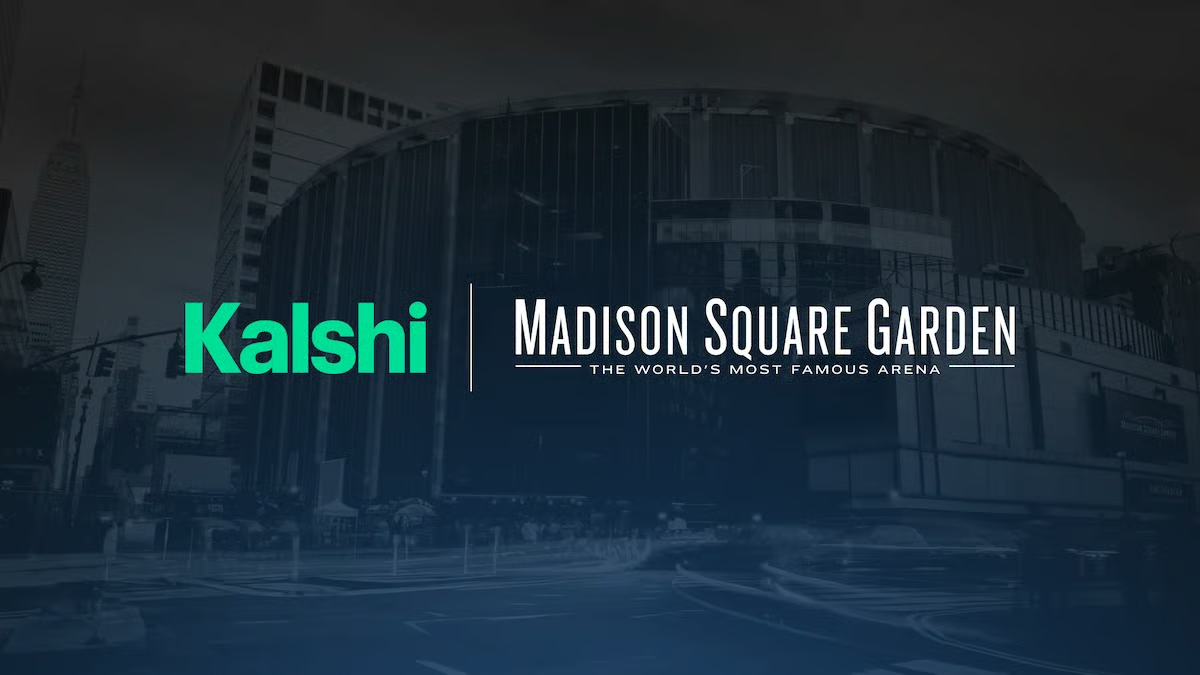
Kalshi’s multi-year partnership with Madison Square Garden includes naming rights to the sixth-floor Kalshi Concourse.
The sports betting industry spent its first several years after PASPA buying stadium naming rights and signing team sponsorship deals. DraftKings has a sportsbook at Chase Field. FanDuel has one at Footprint Center. The playbook has been consistent: attach your brand to a team, put your name on a seat section, and let the association handle the marketing.
Kalshi’s new partnership with Madison Square Garden does something structurally different, and the difference is worth understanding.
What the Deal Actually Covers
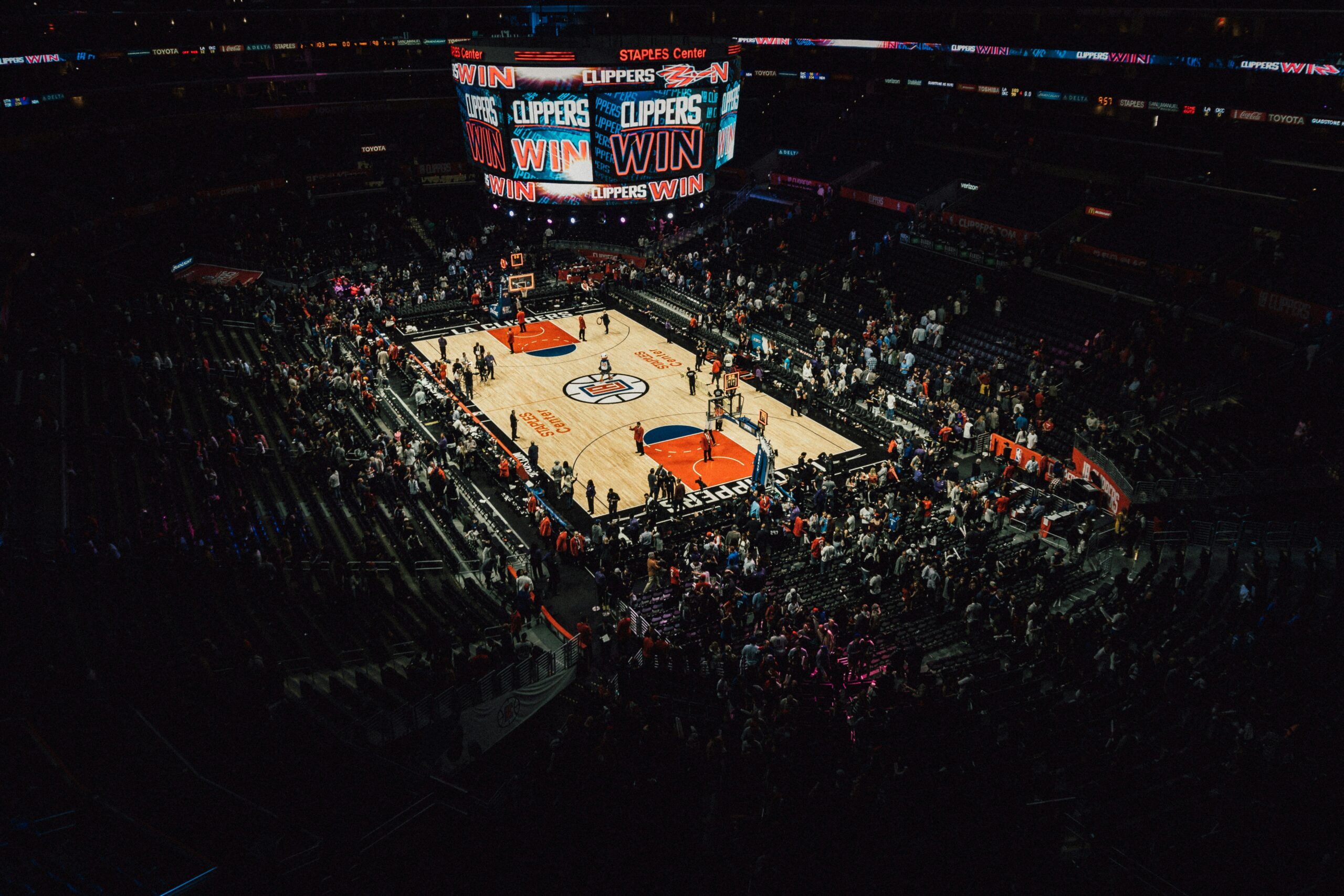
Kalshi and MSG Entertainment announced a multi-year partnership on Thursday, naming Kalshi the Official Prediction Market Partner of Madison Square Garden. The sixth-floor concourse at MSG, the main artery of the building through which millions of fans move every year on their way to merchandise stands, concessions, and premium bars, will be officially renamed the Kalshi Concourse. Kalshi will also appear on digital boards outside the venue, including MSG’s famous marquee on Seventh Avenue and LED signage in the venue bowl, as well as through advertising integrations and branded content across MSG Networks.
MSG Networks carries live local games and programming for five New York-area professional teams: the Knicks, Rangers, Islanders, Devils, and Sabres, plus significant coverage of the Giants and Bills. That is a regional broadcast footprint covering one of the most sports-dense markets in the country.
Adam Barrick, Kalshi’s Head of Sports Partnerships, framed it deliberately: “Both MSG and Kalshi share a common vision of engaging consumers on the interests they are most passionate about, whether that be pop culture, sports, music, or entertainment.” The pop culture and music line was not accidental. It is the tell.
Why a Venue Partnership Is More Interesting Than a Team Deal
A prediction market that partners with the New York Knicks has a sports product. A prediction market that partners with Madison Square Garden has a live entertainment product, and MSG hosts considerably more than basketball.
The Garden regularly ranks among the highest-grossing entertainment venues of its size on the worldwide Billboard and Pollstar charts. It hosts hundreds of events annually, including concerts, comedy shows, college basketball, boxing, and the Christmas Spectacular. Every one of those events is a potential context for a prediction market. Whether Taylor Swift’s setlist will include a specific song, whether a comedian’s special will chart on Netflix afterward, or whether a fight goes the distance. Kalshi already offers markets on award shows and album sales. A physical presence in a venue that hosts the kind of events those markets are built around is a natural fit in a way that a Knicks jersey patch simply is not.
The sports betting industry has been circumscribed, legally and reputationally, by its association with athletic competition specifically. Prediction markets have always positioned themselves as broader in scope. The MSG deal is the first major venue partnership that takes that positioning seriously as a physical brand strategy rather than just a marketing claim.
The Sphere Thread, and Why Nevada Matters
There is a secondary angle to the MSG relationship that is clearly worth noting.
In April 2023, the original MSG Entertainment spun off its traditional live entertainment businesses into a new company that retained the Madison Square Garden Entertainment name. The remaining entity, which owns the Sphere in Las Vegas and MSG Networks, was renamed Sphere Entertainment Co. As part of that transaction, Sphere Entertainment retained approximately 33% of the outstanding shares of the new MSG Entertainment. The two companies are operationally separate but structurally entangled through that ownership stake, and both remain under the effective control of the Dolan family.
That matters for Kalshi because Nevada is currently its most consequential legal battleground. A Nevada state court has extended a ban on Kalshi offering event-based contracts in the state without a gaming license, and a three-judge panel at the Ninth Circuit appeared to lean Nevada’s way during an April hearing, with one judge suggesting Kalshi had an obligation to gain explicit CFTC approval for sports betting before listing those contracts. The Nevada Gaming Control Board has stated that sports contracts account for 90% of Kalshi’s revenue, making the Nevada market disproportionately significant to the company’s business model. Many believe this, and many other similar cases around the country could ultimately end up before the Supreme Court of the United States.
If Kalshi eventually wants to operate in Las Vegas, the most important gaming jurisdiction in the country, and one where Sphere’s venues are physically located, a pre-existing commercial relationship with the MSG family of companies, even an indirect one through the MSG Entertainment partnership and Sphere’s ownership stake, provides a degree of institutional familiarity that a cold licensing application would not. Relationships with the Dolan organization run through Nevada gaming infrastructure in ways that are not immediately obvious from a press release about a sixth-floor concourse.
This is speculative as a direct causal chain. But the prediction market industry’s legal strategy has consistently involved building legitimacy through commercial partnerships, regulatory alignment, and institutional relationships in parallel with the courtroom fights. The MSG deal is the most visible version of that strategy yet deployed.
What $1 Billion Buys
Kalshi closed a $1 billion funding round at a $22 billion valuation the same week as the MSG announcement. The timing of the two announcements together is not coincidental. The funding round provides the capital to sustain the legal battles, build the product, and make the kind of brand investments the MSG deal represents. The MSG deal provides the brand legitimacy to justify the valuation and attract the next round of users.
Physical familiarity in a building people care about is not something a digital advertising campaign can replicate. Millions of people who will never download a trading app will walk past the Kalshi Concourse on the way to their Knicks seats or their Madison Square Garden concert. That kind of ambient brand building is exactly what the sports betting operators who survived their shakeout period did successfully, and exactly what the ones who did not survive failed to do before the acquisition costs caught up with them.
The World’s Largest Prediction Market just put its name in the World’s Most Famous Arena. The legal fights are still running. So is the brand strategy, and right now both are advancing simultaneously.
Players trust our reporting due to our commitment to unbiased and professional evaluations of the iGaming sector. We track hundreds of platforms and industry updates daily to ensure our news feed and leaderboards reflect the most recent market shifts. With nearly two decades of experience within iGaming, our team provides a wealth of expert knowledge. This long-standing expertise enables us to deliver thorough, reliable news and guidance to our readers.
Latest News