


Carnegie Mellon Debuts Sports Betting Course Teaching Students With Realistic Sportsbook Simulation
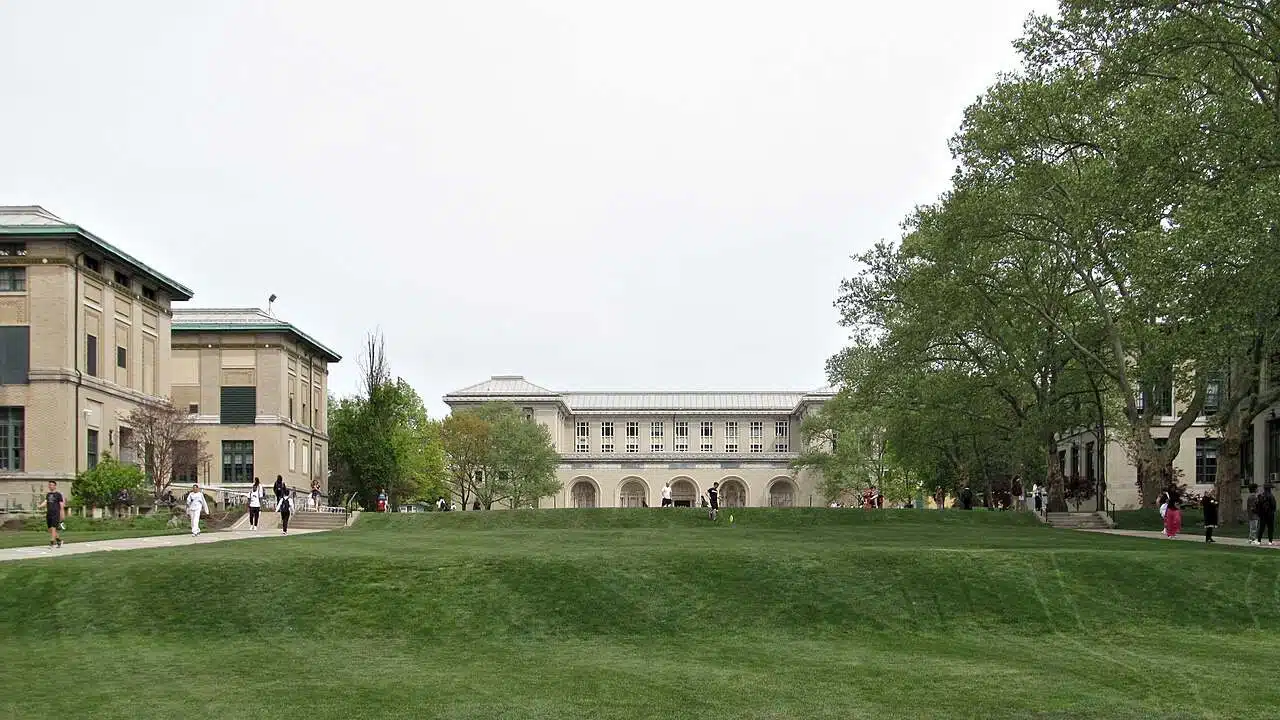
Carnegie Mellon University in Pittsburgh, Pennsylvania, is now offering a course about sports betting to freshmen. The prestigious institution is running the first iteration this spring with a course titled “Sports Betting, Highs and Lows: Your Brain on Stats.“
Professors Ron Yurko and Linda Moya designed the course with serious educational intentions. The course page mentions the 2018 Supreme Court decision to end the federal ban on sports betting, along with how the industry has quickly grown into a market worth $10 billion. A 2023 NCAA study found that 67% of college students were betting on games.
Yurko, an assistant teaching professor in Carnegie Mellon’s Department of Statistics and Data Science and the director of the Carnegie Mellon Sports Analytics Center (CMSAC), observed this first-hand as he noticed students gambling during lectures. This experience led him to develop one of the most talked-about new courses in U.S. higher education.
The Professors Behind a CMU Sports Betting Class
Yurko is not unfamiliar with the world of sports analytics. He became a respected voice in the field during his doctoral program, and after the end of the federal ban, gamblers sent him many requests seeking to gain an edge through his statistical experience.
After he joined the faculty at Carnegie Mellon, he saw an opportunity to use sports betting in statistics education. He believed the topic would naturally draw student interest, giving him the chance to teach quantitative tools and critical thinking skills so students could understand the odds stacked against them.
He partnered with Dr. Linda Moya, a neuroscience professor with a Ph.D. in Psychology and Cognitive Neuroscience. She focuses on the brain science behind why people gamble and how it can become impulsive. Together, they bring unique perspectives to a topic that is impacting millions of young people.
What Students Are Learning
The course, in its first iteration for 41 students, focuses on statistics, cognition, and neuroscience. Yurko explores the probability underlying the bets typically available at sportsbooks.
He teaches students how sportsbooks build their advantage into the odds and why products like parlays are especially profitable for operators. He aims to help students understand odds so they can evaluate the value of a bet in a way similar to a professional bettor.
One of the more engaging aspects of the course is a simulated sportsbook where students use fake money to place bets on real sports events. This approach brings abstract concepts to life and demonstrates how real profit/loss would work if the students were betting real money.
In Dr. Moya’s sessions, she examines the neuroscience behind decision-making and focuses on how the brain’s reward systems respond to the highs and lows of gambling. She also helps students understand warning signs of problem gambling in themselves and others.
A Course With Plenty of Potential
Yurko and Moya have committed to running the course for at least three consecutive years so they can refine the curriculum as needed. Yurko has also expressed hope that the course could expand further.
Doing so would help students gain proper statistical literacy and provide education that may protect them from psychological and financial harm. Carnegie Mellon may have created a blueprint that others can replicate nationwide to mitigate the ongoing harms that result from expanded gambling legalization.
Players trust our reporting due to our commitment to unbiased and professional evaluations of the iGaming sector. We track hundreds of platforms and industry updates daily to ensure our news feed and leaderboards reflect the most recent market shifts. With nearly two decades of experience within iGaming, our team provides a wealth of expert knowledge. This long-standing expertise enables us to deliver thorough, reliable news and guidance to our readers.
Latest News