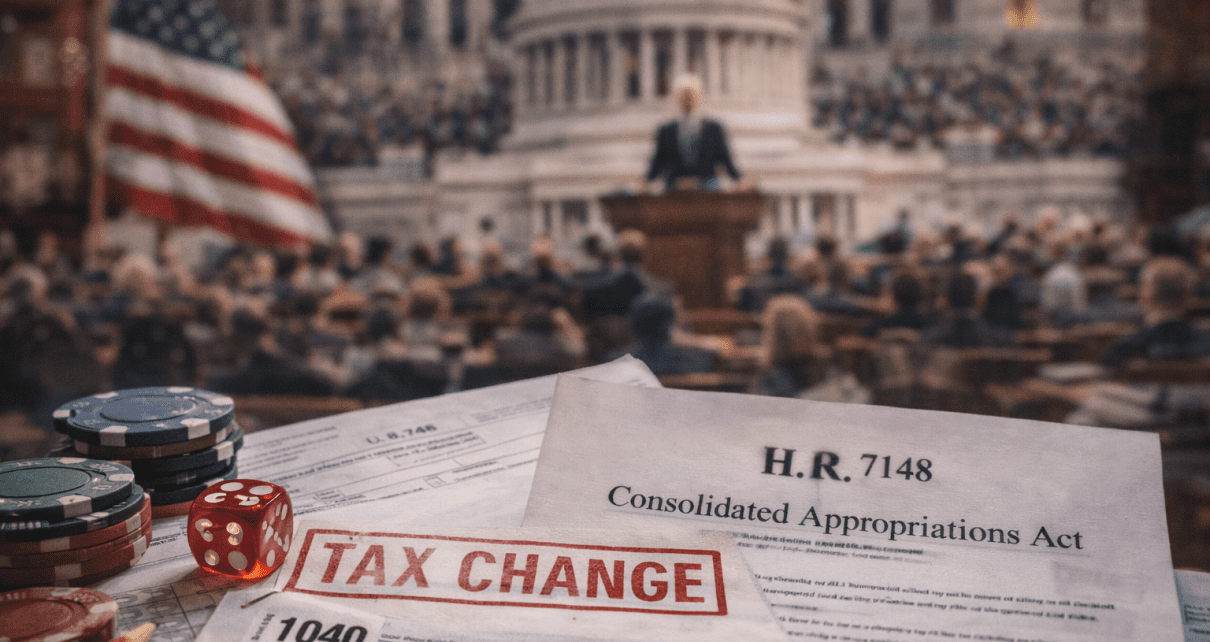


What Prediction Markets Mean For The Kentucky Derby
Kentucky has spent decades building a tightly controlled gambling model around horse racing. It protects the tracks, the breeders, and the tax base that flows from marquee events each spring. Now a new type of platform is forcing state leaders and industry stakeholders to ask an uncomfortable question. Who really controls wagering on horse racing in 2026?
Concerns have been raised that federally regulated prediction market platforms could offer contracts tied to racing outcomes without going through Kentucky’s licensing system. That possibility has triggered pushback from those who see it as a direct challenge to the state’s authority and its signature industry.
Prediction Markets And Kentucky Horse Racing Regulation
Prediction markets operate under federal commodities law. Users buy and sell contracts based on the probability of an event occurring. Prices move as traders react to new information. Supporters describe it as financial risk exchange rather than gambling.
Kentucky does not see it that way when the underlying event is a horse race.
The state regulates pari mutuel wagering through established racing commissions and licensed operators. Sports betting was added under a clear framework that requires partnerships, oversight, and tax contributions. Prediction markets, by contrast, argue that federal approval allows them to operate nationally.
If those platforms list contracts on Kentucky races, state regulators could view it as a bypass of the existing system.
How Prediction Markets Could Impact The Kentucky Derby
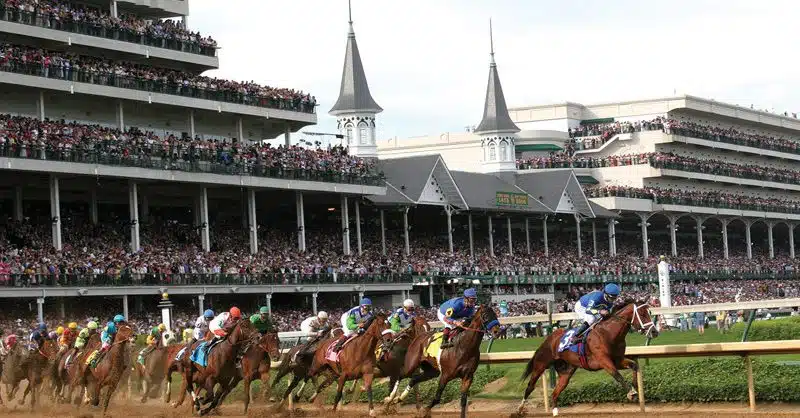
The Kentucky Derby drives global wagering volume. Billions flow through regulated books and pari mutuel pools during Derby week. That activity funds purses, breeding incentives, racetrack operations, and state revenue.
If a federally regulated exchange offers contracts tied to Derby outcomes outside the state’s licensed structure, several risks emerge:
- Reduced pari mutuel handle
- Lower tax collections tied to racing bets
- Competitive pressure on licensed sportsbooks and tracks
Even modest shifts in betting volume can ripple through an industry built on scale and liquidity. Racing stakeholders are not inclined to treat that risk lightly.
Are Prediction Markets Legal In Kentucky?
Traditional horse wagering and sports betting are legal in Kentucky under state law. Prediction markets occupy a more complex space. Federally approved exchanges argue that their contracts are lawful nationwide. States argue that gambling activity within their borders remains their domain.
The legal tension centers on classification. If a contract tied to a horse race functions like a wager, Kentucky may assert jurisdiction. If it qualifies as a federally regulated financial product, state authority could be limited.
This debate is not theoretical. It is already unfolding in other areas of sports related markets. Kentucky’s racing industry gives the issue added urgency.
Kentucky Sports Betting Vs Prediction Markets
Licensed sportsbooks in Kentucky operate under strict compliance standards. They partner with approved entities. They contribute tax revenue. They follow state advertising and consumer protection rules.
Prediction markets claim a different regulatory path. Their pricing reflects probability. Traders can enter and exit positions before an event concludes. The model resembles financial exchanges more than traditional betting windows.
Critics argue that when the underlying asset is a sporting event, the distinction becomes cosmetic. Supporters argue innovation should not be blocked by legacy definitions.
Kentucky’s response will likely shape how other racing states approach the issue.
Why Kentucky Lawmakers Are Watching Closely
Horse racing is not simply entertainment in Kentucky. It is economic infrastructure. Thousands of jobs depend on it. Breeding operations, farms, and tourism all connect back to wagering volume.
Lawmakers have historically defended that ecosystem. The state once pursued legal action against unauthorized operators and has moved carefully when expanding gambling options.
Prediction markets introduce a scenario where federal oversight could overlap with state authority. That overlap invites hearings, legal analysis, and possibly new legislation aimed at protecting the current structure.
What Happens Next For Kentucky Horse Racing And Prediction Platforms
Expect continued debate. Racing interests will push for a level playing field. Prediction market advocates will emphasize federal jurisdiction and financial innovation. Regulators will examine where contracts tied to horse races fall under existing law.
The broader question extends beyond one state. If federally regulated exchanges can list contracts on sporting events nationwide, the balance between state gaming control and federal financial oversight may shift.
Kentucky, because of its history and economic reliance on horse racing, could become the battleground where that balance is tested.
For now, the message from industry voices is clear. Any platform that touches Kentucky horse racing will face scrutiny. The state has too much invested to ignore it.
Players trust our reporting due to our commitment to unbiased and professional evaluations of the iGaming sector. We track hundreds of platforms and industry updates daily to ensure our news feed and leaderboards reflect the most recent market shifts. With nearly two decades of experience within iGaming, our team provides a wealth of expert knowledge. This long-standing expertise enables us to deliver thorough, reliable news and guidance to our readers.
Latest News