Gambling Stocks Sag as Prediction Markets Disrupt Super Bowl Betting Landscape
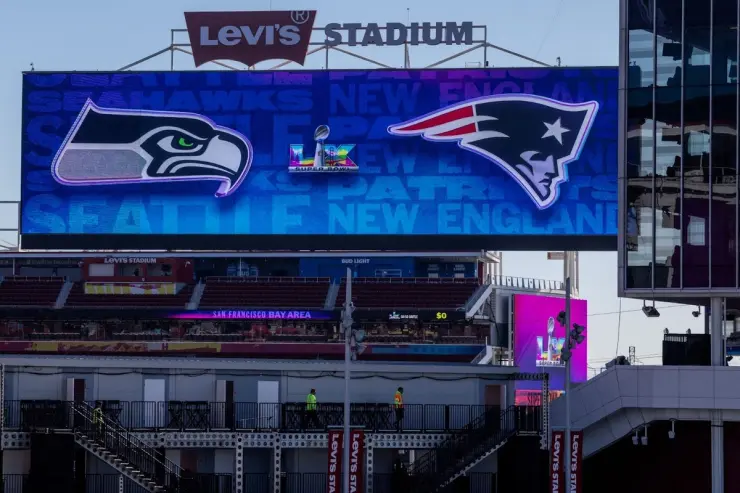
Gambling stocks have weakened as Super Bowl betting shifts toward prediction markets, even while traditional wagers reach record levels, analysts say.
As Super Bowl LX approached, traditional gambling stocks have come under pressure, not because demand is collapsing, but because investors see prediction markets eating into the Super Bowl betting handle that has historically powered a surge in sportsbook revenue.
Major casino and sports betting equities, including DraftKings Inc. and Flutter Entertainment plc (parent of FanDuel), have been trading lower amid expectations that the traditional sportsbook handle may grow more slowly than anticipated, even as total wagering activity remains elevated.
Analysts attribute part of this dynamic to the rising popularity of prediction markets, which allow users to trade contracts tied to event outcomes, including Super Bowl results, outside of state-regulated sportsbook frameworks.
Super Bowl Betting Expectations vs. Reality
Despite the Wall Street selloff, mainstream projections still expect strong sportsbook wagering for the game itself. Legal wagering on Super Bowl LX reportedly reached a record $1.76 billion across regulated sportsbooks, up from prior years.
However, market analysts also expect that prediction markets will account for a meaningful share of broader “betting activity,” potentially dampening the conventional handle that investors use to gauge sportsbook health. In some estimates, prediction trading could divert hundreds of millions of dollars in Super Bowl action away from traditional operators.
The phenomenon reflects a broader shift in consumer behavior, especially among younger and digitally native bettors, toward platforms such as Kalshi and Polymarket, which present outcome contracts more like financial trades than traditional bets.
Analyst View: A Bite Taken Out of Handle
Jordan Bender, a senior equity analyst at Citizens, told Bloomberg that a “big piece” of the expected softer Super Bowl betting volume this year is driven by growth in prediction market activity. Bender projected that while overall trading may surge, the sportsbook handle, the metric Wall Street watches most, could decline compared with last year as some bettors shift to non-traditional markets.
This dynamic, analysts say, is contributing to a disconnect between strong consumer interest in the Super Bowl and stock performance in gambling equities.
Why Prediction Markets Matter to Investors
Prediction markets operate under a federal regulatory framework supervised by the Commodity Futures Trading Commission, which treats these products as financial derivatives rather than state-regulated gambling.
That distinction allows platforms to offer Super Bowl-related contracts in many jurisdictions where sportsbooks face stricter regulations, giving them a competitive advantage that investors see as potentially shifting consumer dollars away from regulated operators.
As a result:
- Prediction markets are pulling share of wallet away from sportsbooks
- They present a new kind of competitor that traditional operators did not face in earlier years
- Stocks tied primarily to sports betting are showing increased volatility
This is especially salient during marquee events like the Super Bowl, where the bulk of annual wagering revenue has historically occurred.
The Super Bowl and Stock Performance
Gambling stocks often exhibit unique behavior ahead of the Super Bowl, as investors anticipate record handles and revenue growth. But this year, the story is more complex.
Although total wagering is forecast to set new highs, some of the fastest growth is coming from alternative marketsrather than traditional sportsbooks, a nuance investors are still trying to price in.
The increased prominence of prediction markets is one reason analysts remain cautious, even as the big game approaches.
What This Means for Sportsbooks
For sportsbook operators, the rise of prediction markets presents several strategic challenges:
- Marketing and customer acquisition costs may rise as operators fight for attention
- Profitability pressure persists amid overlapping product offerings
- Regulatory uncertainty shifts investor sentiment around future growth
Even if sportsbooks still capture the largest share of Super Bowl wagering dollars, prediction markets’ share of activity, particularly among tech-savvy users, is reshaping expectations.
The Bigger Picture: A Changing Betting Ecosystem
The divergence between sportsbook handle and broader “gambling engagement” illustrates a larger trend shaping the industry:
- Super Bowl remains a key calendar event, but not the only battleground
- Prediction markets are emerging as a disruptive force ahead of major sporting events
- Investors are now assessing growth through a broader lens of wagering activity, not just traditional bets
As the ecosystem evolves, how stocks react around marquee events like the Super Bowl may continue to reflect competitive shifts, not just raw betting volume.
Players trust our reporting due to our commitment to unbiased and professional evaluations of the iGaming sector. We track hundreds of platforms and industry updates daily to ensure our news feed and leaderboards reflect the most recent market shifts. With nearly two decades of experience within iGaming, our team provides a wealth of expert knowledge. This long-standing expertise enables us to deliver thorough, reliable news and guidance to our readers.
Latest News