

Ohio Gov. Mike DeWine Calls Sports Betting Law His Biggest Mistake
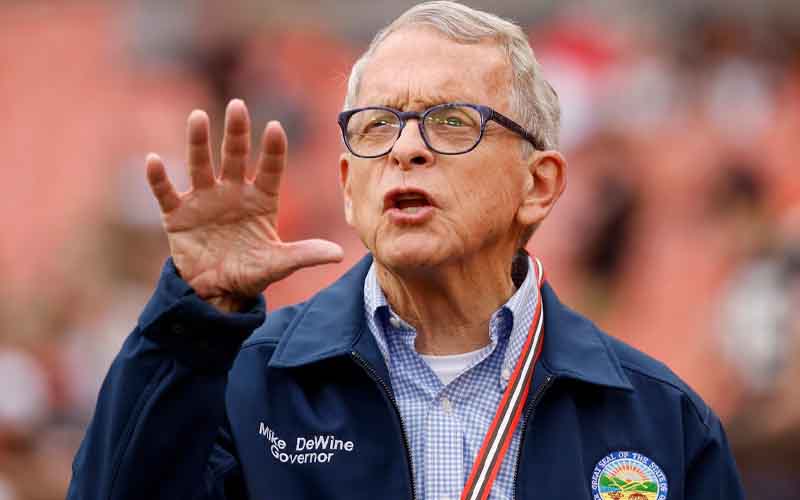
Ohio Governor Mike DeWine says signing the state’s sports gambling law was his biggest regret, citing addiction concerns and public harm.
Ohio Governor Mike DeWine has publicly acknowledged that signing the bill legalizing sports gambling in Ohio was the biggest mistake of his tenure, citing concerns about addiction, consumer harm, and the pace at which the industry expanded.
DeWine’s comments, reported by Cleveland.com, mark one of the most candid admissions yet from a sitting governor in a state that embraced sports betting as part of a national wave of legalization following the U.S. Supreme Court’s 2018 decision to strike down the federal ban.
Ohio launched legal sports betting in January 2023.
DeWine Reflects on Sports Betting Expansion
Speaking during a recent interview, DeWine said he regrets signing the legislation that authorized sports wagering in the state, pointing to what he described as an underestimation of its social impact.
According to DeWine, the rapid proliferation of sports betting, combined with aggressive advertising and easy mobile access, has created challenges the state was not fully prepared to manage.
While the law has generated significant tax revenue, DeWine suggested the financial upside has come at a cost, particularly for vulnerable populations prone to gambling addiction.
Advertising and Access Among Top Concerns
One of Mike DeWine’s primary criticisms centers on how sports betting has been marketed since legalization. He expressed concern over the volume of gambling advertisements and how frequently they appear during sporting events and on digital platforms.
Key issues highlighted by DeWine include:
- Widespread sports betting advertising
- Ease of mobile wagering via smartphones
- Increased exposure among young adults
- Potential normalization of gambling behavior
DeWine said the constant presence of betting promotions has made it harder to protect consumers, especially those at risk of developing problem gambling habits.
Ohio’s Sports Betting Law and Its Impact
Ohio lawmakers approved sports betting with bipartisan support, framing it as a way to modernize gambling laws, eliminate illegal betting markets, and generate revenue for the state.
Since launch, Ohio has become one of the largest sports betting markets in the U.S., with both online and retail wagering options available statewide.
Supporters of the law argue that:
- Legal betting provides consumer protections not found in illegal markets
- Tax revenue supports state programs
- Regulation allows oversight of operators
However, DeWine’s comments suggest that even robust regulatory frameworks may not fully address the broader social consequences of legalized sports gambling.
A Shift in Tone From a Legalization Supporter
At the time of signing the bill, Mike DeWine acknowledged concerns about gambling addiction but ultimately supported the legislation with the understanding that safeguards would mitigate potential harm.
His recent remarks signal a notable shift in tone, reflecting growing unease among some policymakers nationwide as sports betting becomes deeply embedded in American sports culture.
DeWine emphasized that his regret does not necessarily mean the law should be repealed, but rather that states should take a more cautious approach when expanding gambling access.
Broader National Implications
Ohio is far from alone in grappling with the long-term effects of sports betting legalization. More than 30 states now allow some form of sports wagering, and debates over advertising restrictions, tax rates, and responsible gaming measures continue to intensify.
DeWine’s admission may resonate beyond Ohio, particularly as lawmakers in other states reconsider:
- Advertising limits during sporting events
- Funding for problem gambling programs
- Whether further gambling expansion is appropriate
Industry analysts note that comments from a sitting governor labeling legalization a mistake could influence future legislative debates, especially in states still weighing gambling expansion.
What Comes Next for Ohio
Despite Mike DeWine’s regret, Ohio’s sports betting market is firmly established, and there are no immediate signs of repeal or major rollback.
Instead, the focus may shift toward tighter regulation, increased funding for addiction treatment, and potential changes to how sports betting is promoted.
For now, Mike DeWine’s remarks serve as a rare moment of reflection in an industry that has expanded rapidly with relatively little public reconsideration from political leaders.
As states continue to balance revenue, consumer protection, and public health, Ohio’s experience, and its governor’s candid assessment, may become a reference point in the ongoing national conversation about sports gambling.
Players trust our reporting due to our commitment to unbiased and professional evaluations of the iGaming sector. We track hundreds of platforms and industry updates daily to ensure our news feed and leaderboards reflect the most recent market shifts. With nearly two decades of experience within iGaming, our team provides a wealth of expert knowledge. This long-standing expertise enables us to deliver thorough, reliable news and guidance to our readers.
Latest News