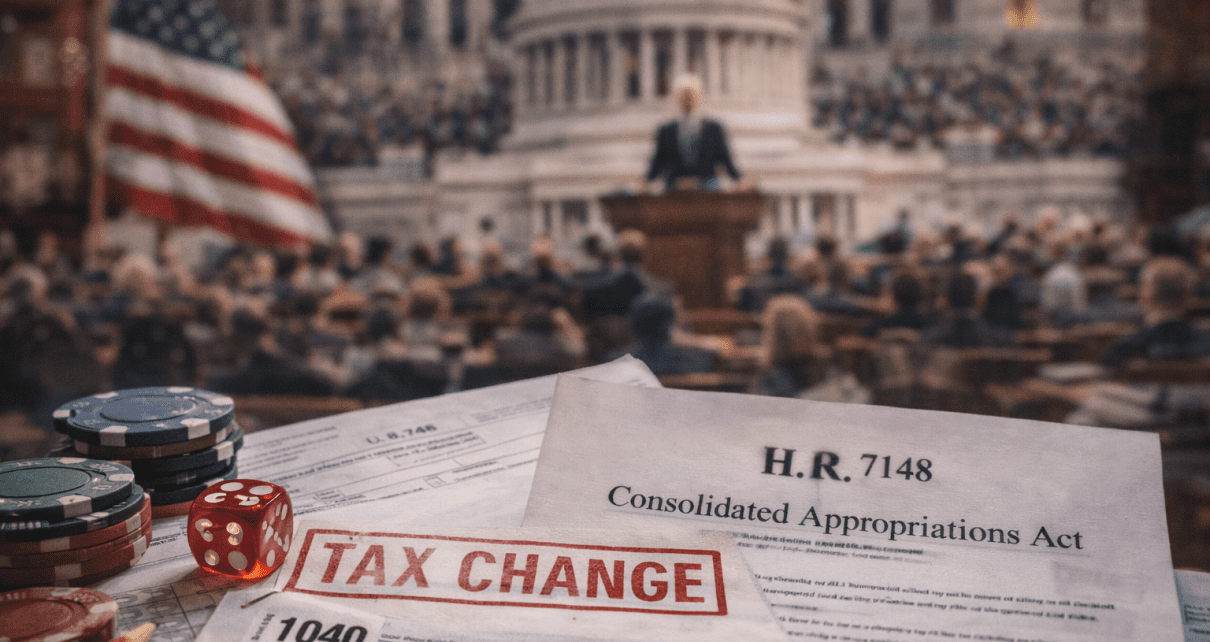


Massachusetts Senate Bill 302 could reshape sports wagering with tax hike and in-play ban

Massachusetts lawmakers revived Senate Bill 302, a sweeping sports wagering reform proposal that would sharply raise taxes, ban in-play and prop wagers, and impose new affordability requirements.
Massachusetts legislators are once again advancing Senate Bill 302, a sweeping proposal to fundamentally reshape the state’s online sports wagering landscape by addressing what supporters describe as economic, health, and social harms caused by sports betting.
Filed by Sen. John F. Keenan (D) and co-sponsors, the bill represents a sharp turn from the state’s post-legalization landscape, which launched online betting in March 2023 and currently taxes mobile wagers at 20% of gross revenue.
This is in a state where the gaming industry reported $168.1M in gaming revenue in April 2025 alone.
What Senate Bill 302 Would Change
Dramatic Tax Increase
Under the proposal, the online sports wagering tax rate would jump from 20% to 51%, placing Massachusetts among the highest-taxed sports betting markets in the nation.
Proponents argue the additional revenue could support state priorities such as public health initiatives and problem-gambling programs.
Critics, however, warn that such a steep levy risks discouraging operators or pushing bettors toward unregulated platforms.
Betting-Type Restrictions
The bill would ban both in-play (live) wagering and proposition bets, two popular formats in modern mobile sportsbooks. These restrictions reflect concerns that micro-betting and individual player bets may contribute to impulsive gambling and possible integrity risks.
Under current law, mobile apps in Massachusetts allow a full array of bet types, including same-game parlays and live odds, which have driven significant engagement since legalization.
Responsible Gaming and Affordability Checks
S.302 would require sportsbooks to conduct affordability assessments for bettors who attempt to wager more than $1,000 per day or $10,000 per month, limiting play to no more than 15% of a customer’s available funds unless cleared.
This “know-your-wagerer” model is designed to prevent individuals from staking amounts beyond their financial means, a provision seen as an aggressive consumer protection tool.
Limits on Marketing and Incentives
The proposal would also ban sports wagering advertisements during televised sporting events, curb VIP and host compensation structures, and double contributions to the state’s Public Health Trust Fund supporting addiction treatment, all intended to reduce gambling exposure and potential harm.
In addition, operators could be required to provide anonymized customer data to independent researchers studying problem gambling and related health outcomes.
Why Lawmakers Are Reintroducing the Bill
Sen. Keenan has publicly acknowledged second thoughts about his earlier support for legalizing sports betting, stating that the industry’s rapid growth and evolving product designs raise new public health concerns.
Supporters of S.302 frame it as a recalibration of the state’s regulatory framework, aiming to balance consumer protection with economic opportunity, after bettors wagered billions since the market began.
Public health advocates have pointed to rising calls to state gambling helplines and the increasing visibility of mobile wagering on youth and vulnerable populations as justification for stricter regulation.
Criticism and Industry Response
Not everyone supports the sweeping changes. Industry observers warn that a 51% tax rate could significantly shrink profit margins for operators, reduce promotional flexibility and potentially push bettors toward offshore or unregulated platforms where consumer protections are weaker.
Critics also argue that banning popular bet types like live wagering and props could reduce overall state revenue by driving customers away from licensed operators, limiting the market’s competitiveness relative to neighboring states.
The bill’s marketing restrictions, including ad bans during sports broadcasts, have drawn concern from broadcasters and sports organizations that have integrated gaming partnerships into their business models.
Legislative Status and Next Steps
Senate Bill 302 is currently under review in the Massachusetts Legislature and has been referred to the Joint Committee on Economic Development and Emerging Technologies.
The bill’s reporting deadline was extended to March 6, 2026, giving lawmakers more time to hear testimony, consider amendments, and negotiate revisions.
Hearings are expected to draw stakeholders ranging from public health advocates and researchers to operators, bettors and industry analysts, all of whom will weigh in on whether the proposed reforms strike an appropriate balance.
Should the committee advance the measure, it would proceed to full Senate and House votes before potentially reaching the governor’s desk.
A State Dividing Over Betting’s Future
Massachusetts’ Senate Bill 302 represents one of the most ambitious state-level sports betting regulatory proposals in recent years, combining one of the steepest potential tax rates with significant limits on available wagers and enhanced consumer safeguards.
As the debate unfolds, policymakers will grapple with fundamental questions about the role of legalized gambling in society, how to protect vulnerable individuals without stifling a thriving legal market, and where to draw the line between innovation and regulation.
The outcome in Boston could offer a blueprint, or a warning, for other states reconsidering how best to regulate the rapidly evolving sports wagering industry.
Players trust our reporting due to our commitment to unbiased and professional evaluations of the iGaming sector. We track hundreds of platforms and industry updates daily to ensure our news feed and leaderboards reflect the most recent market shifts. With nearly two decades of experience within iGaming, our team provides a wealth of expert knowledge. This long-standing expertise enables us to deliver thorough, reliable news and guidance to our readers.
Latest News