Major League Baseball Commissioner Signals Openness to Prediction Market Partnerships
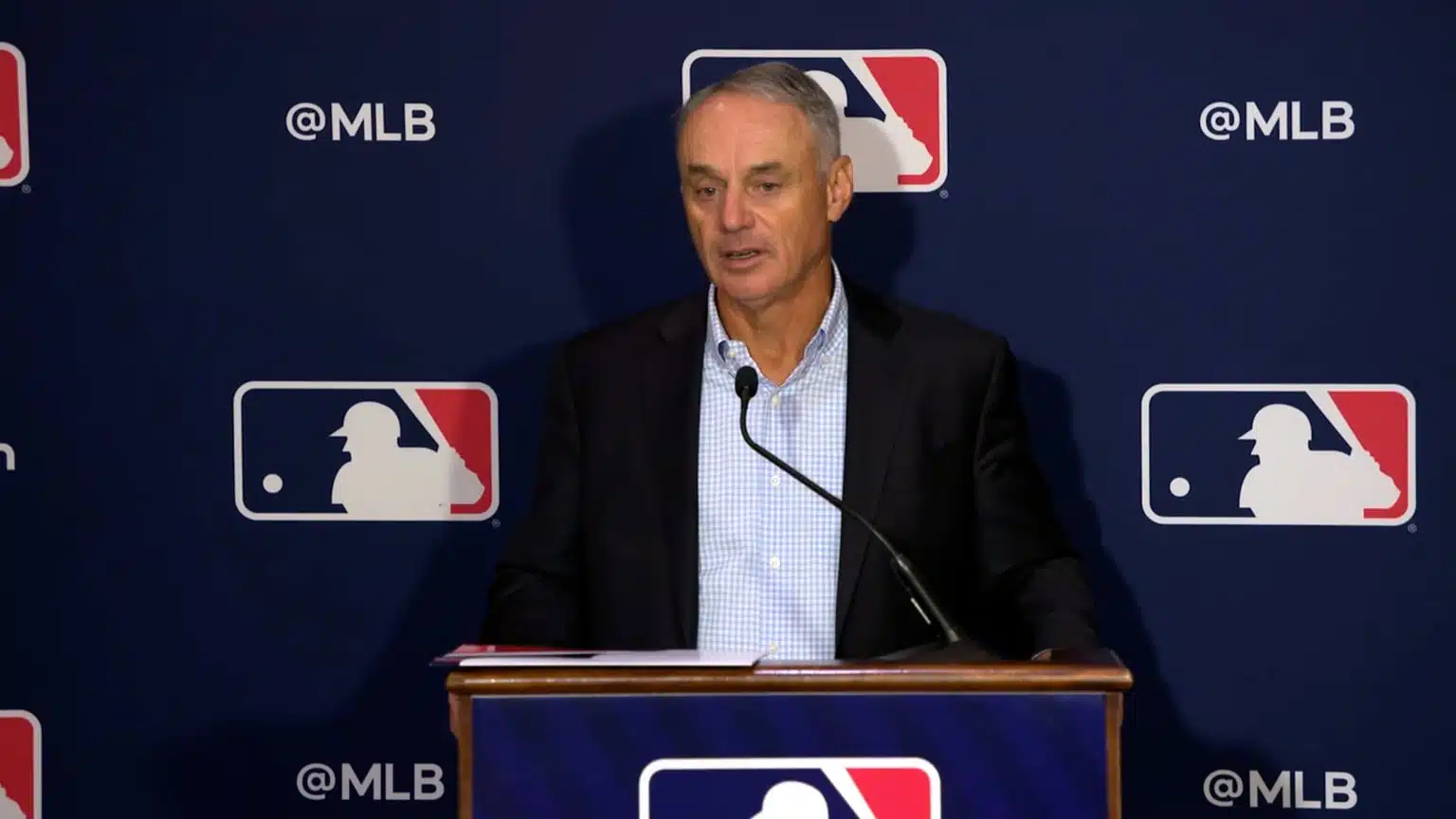
MLB Commissioner Rob Manfred indicated the league could explore partnerships with prediction market platforms.
Major League Baseball commissioner Rob Manfred suggested the league may consider working with prediction market platforms rather than opposing them outright.
His comments mark a notable shift in tone as sports leagues grapple with the rapid expansion of event-contract markets tied to game outcomes. This comes just days after NBA commissioner Adam Silver said the league would treat prediction markets the same way it treats sports betting companies.
While some regulators and tribal gaming groups have pushed back against prediction platforms, MLB appears open to dialogue and possibly collaboration.
A Pragmatic Approach to Emerging Markets
Manfred acknowledged that prediction markets are gaining traction and operating under federal regulatory structures. Rather than treating them as purely adversarial, he suggested the league could explore ways to engage constructively.
The commissioner’s stance reflects MLB’s broader strategy in recent years: working within legalized sports betting frameworks instead of resisting them.
Since the Supreme Court’s 2018 decision striking down PASPA, MLB has signed data and integrity agreements with major sportsbooks. Prediction markets could represent the next frontier. It should be noted that the MLB is not without betting scandals like other major American professional leagues. Multiple MLB stars have made headlines in past seasons for fixing parts of games to manipulate outcomes for betting purposes.
Why This Is Significant
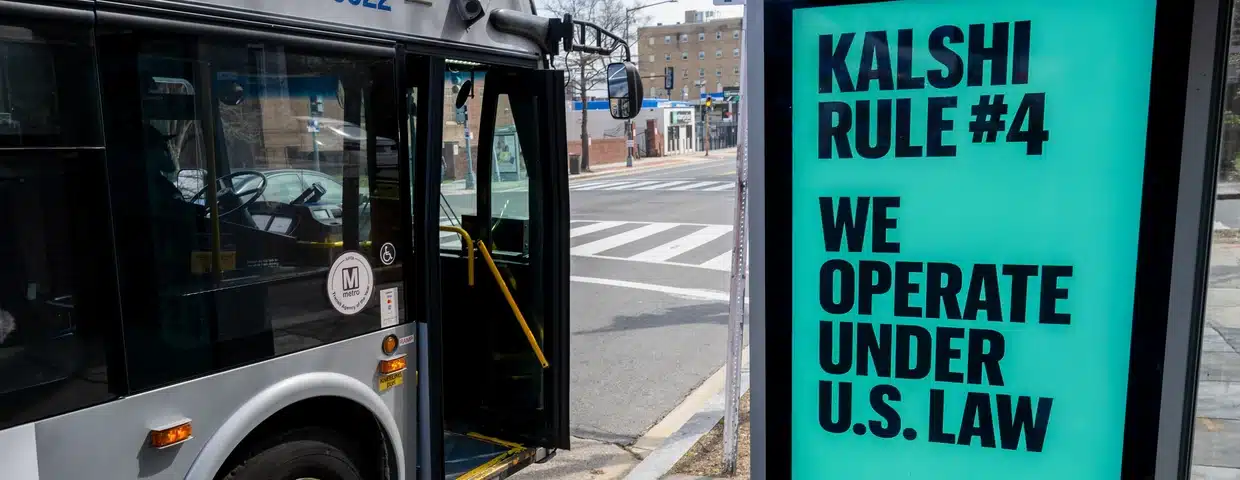
Prediction market platforms such as Kalshi and Polymarket now offer contracts tied to sports outcomes.
The regulatory debate centers on whether these contracts should be treated as:
- Federally regulated derivatives
- State-regulated gambling products
MLB’s willingness to potentially engage suggests the league is focused less on the product’s label and more on ensuring:
- Data integrity
- Market surveillance
- Protection against insider misuse
Integrity Still the Priority
Manfred emphasized that protecting the integrity of the game remains paramount.
MLB already monitors betting markets through partnerships with sportsbooks and integrity firms. If prediction markets continue to expand, similar monitoring frameworks may be required.
Leagues worry about:
- Insider information trading
- Player and umpire vulnerability
- Market manipulation risks
If MLB were to partner with a prediction platform, it would likely demand compliance standards similar to those imposed on sportsbooks.
Contrast With Other Stakeholders
MLB’s measured tone contrasts with positions taken by some tribal gaming groups and lawmakers who argue prediction markets undermine state and tribal sovereignty.
Meanwhile, other leagues have signaled skepticism or raised concerns about sports-based derivatives products.
MLB’s approach suggests the league sees potential strategic advantage in engagement rather than confrontation.
Business Implications
Working with prediction markets could open new revenue streams for MLB, including:
- Official data licensing
- Sponsorship arrangements
- Integrity service agreements
Professional sports leagues have increasingly integrated betting into fan engagement strategies. Prediction markets may offer another channel to monetize fan interest — provided regulatory questions are resolved.
What Happens Next
Legal battles over sports-based event contracts continue in multiple jurisdictions.
As courts determine the regulatory boundaries between federal derivatives oversight and state gaming authority, leagues will likely adapt their strategies accordingly.
If prediction markets remain viable nationwide, partnerships with major sports leagues could become more common.
Bottom Line
MLB Commissioner Rob Manfred signaled that the league may explore working with prediction market platforms rather than opposing them outright.
As sports-based event contracts gain visibility and legal scrutiny intensifies, MLB appears focused on maintaining integrity safeguards while adapting to a rapidly evolving gambling landscape.
Players trust our reporting due to our commitment to unbiased and professional evaluations of the iGaming sector. We track hundreds of platforms and industry updates daily to ensure our news feed and leaderboards reflect the most recent market shifts. With nearly two decades of experience within iGaming, our team provides a wealth of expert knowledge. This long-standing expertise enables us to deliver thorough, reliable news and guidance to our readers.
Latest News