Pennsylvania Skill Games Face a Hard Deadline. Missouri Shows What Happens When the Clock Runs Out.
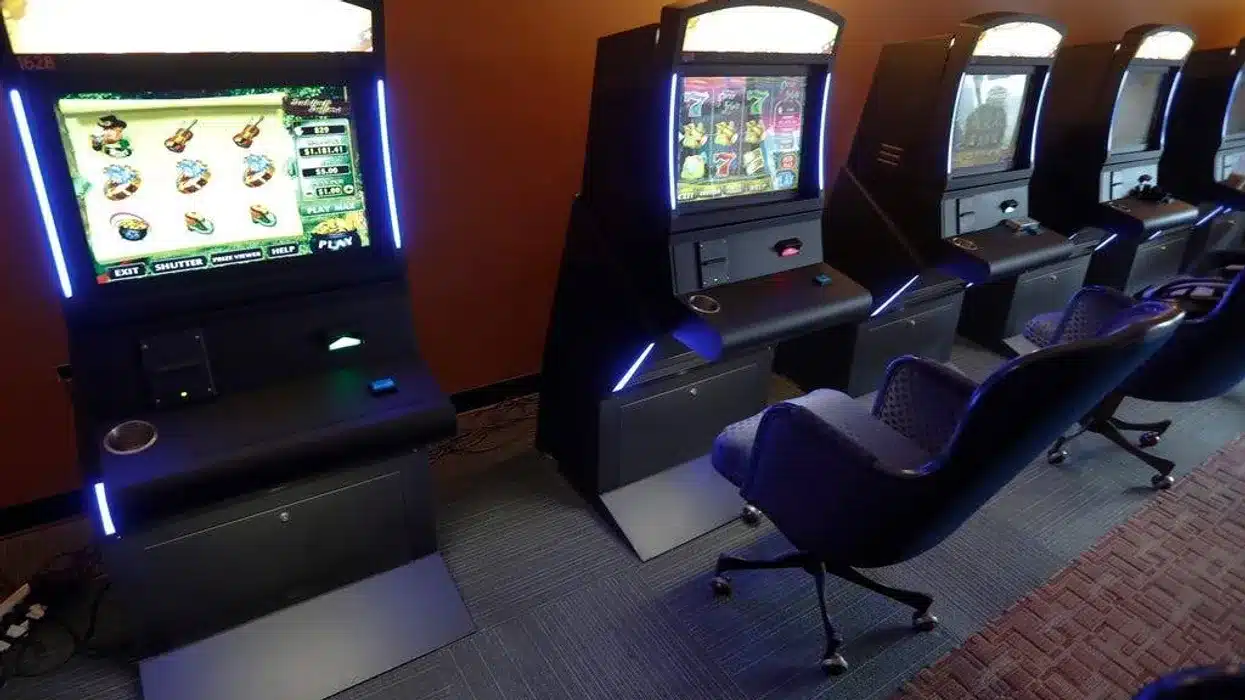
Pennsylvania lawmakers left Harrisburg for the summer without passing skill game regulation, leaving roughly 70,000 machines operating across the state on borrowed time.
The Pennsylvania Supreme Court’s June 15 ruling classified the devices as illegal slot machines under state law and gave the legislature 120 days to pass a regulatory framework before enforcement begins. That deadline falls on October 13. Governor Josh Shapiro was direct about what happens next: “The Pennsylvania State Police is ready to enforce the law when that deadline hits.”
Senate Majority Leader Joe Pittman put it more simply. “These machines are illegal, and in less than 120 days, they will be leaving the marketplace.”
The stakes are high and are well documented. Pennsylvania hosts more skill game machines than regulated casino slot machines, by a ratio of more than two to one. The Independent Fiscal Office estimates the machines could generate more than $1 billion annually in tax revenue if regulated. American Legions, fraternal clubs, bars, and convenience stores across the state have built those machines into their operating budgets. Lisa Iskric, who manages the American Legion in Steelton, described it plainly: “It’s part of our budget. It’s what we do to sustain the bills, the buildings, repairs, payroll.”
None of that changes the legal situation. And Missouri offers an instructive preview of what Pennsylvania is walking toward, and it can get ugly.
Pennsylvania Will Want to Avoid Missouri’s Current Situation
Missouri has been navigating its own skill game enforcement crisis since a U.S. District Court ruled in February that pre-reveal gaming devices often referred to as “No-chance games” manufactured by Torch Electronics qualify as illegal gambling devices under state law. Attorney General Andrew Bailey moved quickly, filing civil suits and criminal charges against convenience store owners in Greene and Dunklin counties. Torch suspended its operations, leaving retailers who had hosted its machines without warning and with equipment that was suddenly a legal liability.
The aftermath has been messier than the ruling. Tuners Bar and Grill in St. Charles filed a class action lawsuit arguing that its machines are categorically different from Torch’s, that the enforcement campaign overreaches the court’s actual holding, and that the attorney general lacks the authority to criminalize conduct without legislative action. Missouri has a viable path to a regulatory framework through pending legislation, but it has not been passed, and the enforcement machine is running while the legislative process catches up.
That sequence, court ruling, enforcement campaign, business chaos, legal challenges, and disputed machine classifications is precisely what Pennsylvania risks after October 13 if Harrisburg does not act first. Pennsylvania’s enforcement apparatus is more systematic than Missouri’s: the state police have clear statutory authority once the stay expires, and unlike Missouri’s situation, there is no federal court ruling limiting the scope to specific machine types. The Pennsylvania Supreme Court broadly classified skill games, but the state police will interpret that broadly.
The Tax Rate Impasse Has Blocked This For Years in Pennsylvania
The regulatory failure is not new and not a surprise. Pennsylvania lawmakers have been trying and failing to pass skill game regulations for the better part of a decade. The sticking point has always been the same: the tax rate.
The gap between the competing proposals is not narrow. Governor Shapiro has proposed 52%, arguing for competitive equity with casino slot machines, which pay more than 55% of gross terminal revenue in taxes. Casino interests, led by Parx Casino, whose CEO described the unregulated machines as enabling rampant crime and money laundering, support the high rate.
The skill game industry and its small-business hosting constituency have backed rates as low as 16%, arguing that the economics of a bar or convenience store cannot absorb the same burden as a destination casino. Some proposals convert the percentage structure into a flat monthly per-machine fee, which changes the math for both high- and low-volume operators.
None of those positions has moved materially, and the budget passed without a deal. Lawmakers have now gone home. Pace-O-Matic, the dominant skill game manufacturer, burned its relationship with Senate Republican leadership last year when a 35% rate negotiation collapsed. The industry’s ability to command a room in Harrisburg is weaker than it was before the ruling, and the ruling itself has stripped the manufacturers of the one argument that had kept the machines in place for years: that they were legal.
October 13 Is Not a Negotiating Deadline, It’s When Police Seizures Begin
The most significant difference between Pennsylvania’s situation today and six months ago is that the 120-day clock is no longer a negotiating deadline. It is now an enforcement trigger that could launch the state into chaos.
Before the ruling, the skill game industry’s leverage came from legal ambiguity: the machines operated because courts had not definitively ruled them illegal, and legislators could avoid the fight by simply not acting. The Supreme Court eliminated that option. After October 13, the machines are illegal gambling devices subject to confiscation by the Pennsylvania State Police. There is no ambiguity left to shelter behind.
That changes the political dynamics in ways that are not yet fully visible. Small business owners and veteran organizations that host skill games are constituents with real political weight in Harrisburg, particularly in Republican-held districts. Their machines will be seized in the absence of legislation. Casino operators, who have been pushing for high tax rates, in part, to make the economics of skill games unworkable, are also major campaign donors. Pace-O-Matic and its distributor network have their own legislative relationships and their own money.
What has changed is that the cost of inaction is no longer theoretical. It is a state police seizure operation starting on October 14.
Pennsylvania legislators have faced this fight before and delayed it. The Supreme Court has now taken that option away, adding significant urgency. Whether the fall session produces a deal that the industry, the casinos, the small business community, and the Shapiro administration can all live with, or whether October 13 arrives without legislation and law enforcement begins confiscating machines from American Legions and convenience stores across the state, is the most consequential unresolved gambling question in Pennsylvania this year. And potentially one of the more consequential political tests for a governor who has publicly put the state police on standby.
Players trust our reporting due to our commitment to unbiased and professional evaluations of the iGaming sector. We track hundreds of platforms and industry updates daily to ensure our news feed and leaderboards reflect the most recent market shifts. With nearly two decades of experience within iGaming, our team provides a wealth of expert knowledge. This long-standing expertise enables us to deliver thorough, reliable news and guidance to our readers.
Latest News