Station Casino’s Data Breach Followed the Caesars 2023 Playbook. The Class Action Is Following the MGM Playbook.
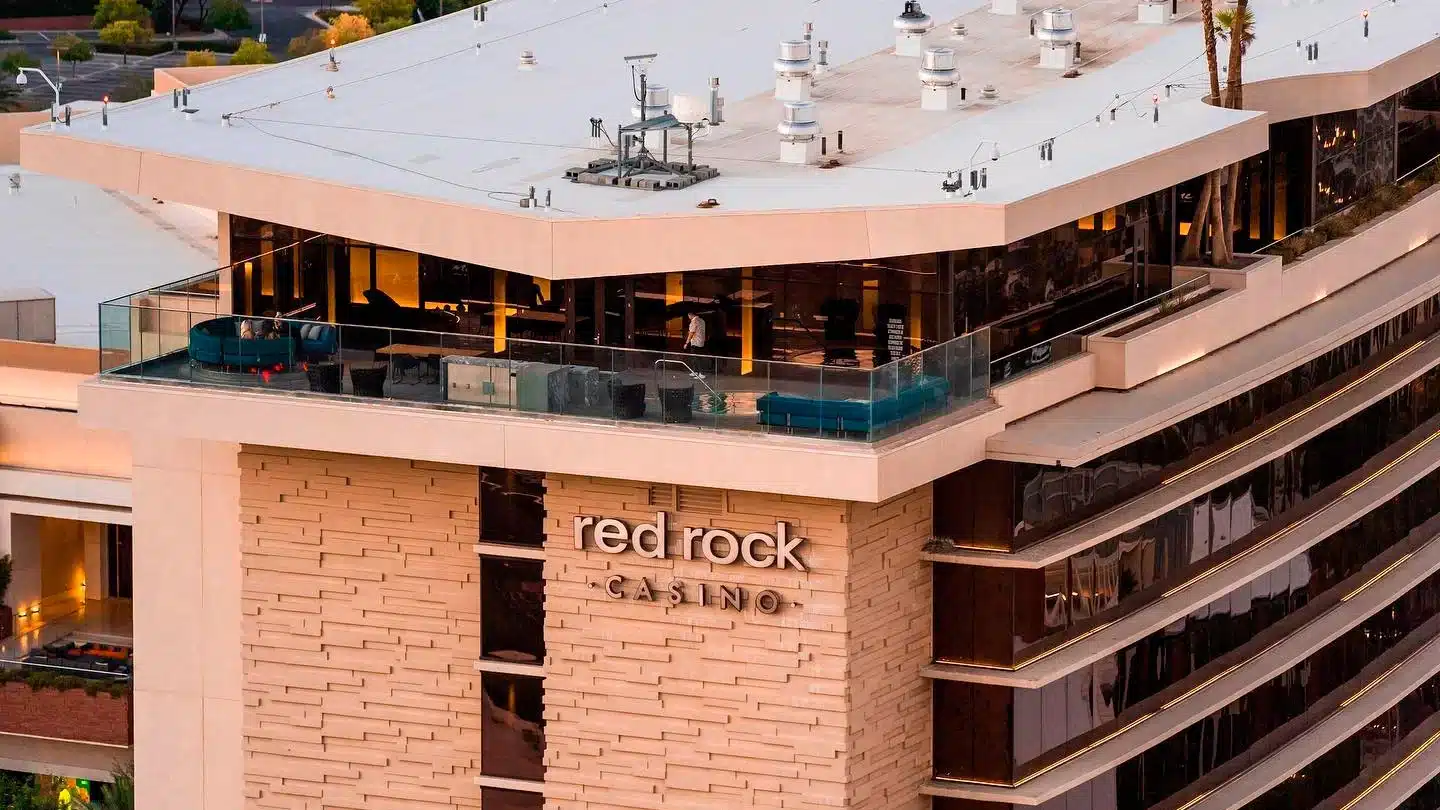
A class action filed against Station Casinos and Red Rock Resorts alleges negligence in the company’s March 2026 cybersecurity data breach.
A Nevada resident and former Station Casinos employee filed a putative class action against Red Rock Resorts and its Station Casinos subsidiary in the District of Nevada on May 28. The 51-page complaint alleges negligence, negligence per se, breach of implied contract, unjust enrichment, invasion of privacy, and seeks declaratory and injunctive relief, all arising from a data breach that Station disclosed to the Maine Attorney General’s office on May 21. The breach itself, by Station’s own admission, occurred on March 5, 2026.
The complaint is, by the standards of data breach class actions, unusually thin on facts about the breach itself. Its own language acknowledges this. “Little information is available concerning the Data Breach,” the complaint states in paragraph 33. “Defendants have provided scant details about it.” The plaintiff’s lawyers describe what the breach likely involved on information and belief, pull most of their factual base from a Cybernews article and the Maine AG filing, and spend the bulk of the 51 pages on boilerplate about why data breaches are harmful and what the dark web is.
This is a textbook complaint designed to get to discovery. The plaintiff is betting that what Station has not yet disclosed will be material enough to support class certification once depositions begin. The broader pattern of breaches in the casino industry over the past three years suggests they are probably right.
Station Has Disclosed a Data Breach and Not Much Else
The discovery question matters because Station has been unusually quiet. The 76-day gap between the March 5 breach and the May 21 regulatory disclosure is the kind of delay that some state breach notification statutes flag as presumptively unreasonable. The customer notification letters started going out around the same time. One of those notices, posted by Vital Vegas on May 31, included a meaningfully different account than the company has given the press. It said directly that affected customers’ “name and date of birth, Social Security Number” may have been accessed. Station’s public-facing statement to Cybernews suggested only that names may have been involved, with Social Security numbers, financial information, and license details mentioned as possibilities “in some limited cases.”
Red Rock Resorts, which trades on NASDAQ under the ticker RRR, has not filed a Form 8-K disclosing the breach to investors. Public companies are generally required to file an 8-K when a material cybersecurity incident occurs, with the SEC’s amended rules from late 2023 specifically requiring disclosure within four business days of determining materiality. The absence of an 8-K either means Red Rock has determined the incident is not material, has not yet completed that determination, or has reached a different conclusion than the plaintiff’s lawyers. None of those positions is comfortable for a public company with a class action pending.
The disclosure posture is also notable because it diverges from how MGM Resorts handled its 2023 attack. MGM filed an 8-K within days and disclosed roughly $100 million in operational costs and lost revenue in subsequent filings. Caesars, hit by the same threat group in the same week, also filed an 8-K and acknowledged a payment to the attackers, reportedly $15 million negotiated down from $30 million. Station’s quieter approach more closely resembles the Caesars side of the 2023 episode than the MGM side, with the important caveat that Caesars at least filed the 8-K.
Casinos Are Clearly a Major Target For Cybersecurity Attacks And a Trend is Emerging
Station is the fifth major Nevada casino operator to be hit by a significant cyberattack since 2023. The list is now substantial. MGM Resorts and Caesars Entertainment in September 2023, both linked to the Scattered Spider and ALPHV/BlackCat groups. Boyd Gaming in 2025, with employee data theft. Wynn Resorts in 2026, with the ShinyHunters group claiming to have exfiltrated 800,000 records before Wynn confirmed the breach days later. And now Station, with the threat actor not yet publicly identified.
The pattern across these incidents has been consistent in one important respect. Operators that publicly refused to pay ransoms, such as MGM, experienced prolonged operational disruption and substantial reported losses. Operators that quietly paid, like Caesars in 2023, kept operations running and disclosed less. Station’s operational continuity through March, with no public reports of slot floor or hotel system disruption, is consistent with the second pattern. Vital Vegas suggested this directly in its May 28 coverage, citing the lack of operational impact as evidence that a ransom was likely paid. Station has not confirmed nor denied any payment.
What this means for the class action is that the discovery phase, if it gets there, is likely to surface information that the public filings have not. Internal incident response logs. Communications with cybersecurity vendors. Decisions about whether and what to disclose. Communications with the threat actor, if any. The MGM and Caesars cases, which were resolved through MDL proceedings in 2024 and 2025, produced exactly this kind of discovery material, and most of those cases settled before trial, with Caesars announcing a $7.5 million class settlement in mid-2024.
Three Major Claims Filed by an Experienced Cybersecurity Law Firm
Stripped of its boilerplate, the Geiner complaint makes three substantive arguments. First, Station failed to implement reasonable cybersecurity measures, citing the FBI, CISA, and NIST frameworks as the relevant standards. Second, that Station’s monitoring and detection systems were inadequate, as evidenced by the attacker’s ability to conduct reconnaissance, identify valuable data, and exfiltrate it without triggering alerts. Third, that Station’s delay in notifying affected individuals materially increased the harm by giving the attackers time to monetize the data before victims could take protective steps.
The complaint also invokes the Nevada Privacy of Information Collected on the Internet from Consumers Act, NRS 603A.210, which requires data collectors to “implement and maintain reasonable security measures.” Whether Station’s measures were reasonable is a factual question that will turn on what the discovery reveals about what was actually in place on March 5.
The plaintiff’s lawyers, Freedom Law Firm in Las Vegas, and Ahdoot & Wolfson out of Radnor, Pennsylvania, regularly handle this kind of case. Ahdoot & Wolfson, in particular, has been lead or co-lead counsel in dozens of data breach class actions over the past several years, including cases against retailers, healthcare providers, and other defendants. The complaint reads like a template adapted to the Station facts, which is precisely what it is.
Breach Size Matters, as Does Filing an 8-K
Three things are worth watching as the case moves forward. First, whether Red Rock files an 8-K. The current absence of an investor disclosure is the most unusual feature of Station’s response and is likely to be a focus of regulatory attention regardless of how the class action proceeds. Second, whether Station’s actual number of affected individuals matches the scale of MGM (37 million), Caesars (a significant number of loyalty program members), or Wynn (800,000 alleged). The scale of the affected population is the single biggest variable in determining what any eventual settlement looks like. Third, whether other plaintiff firms file competing complaints. Data breach class actions often produce multiple parallel cases that get consolidated. The first complaint is rarely the only complaint.
Station’s choice to handle the March breach quietly, under the apparent Caesars 2023 model, was defensible in March. By the end of May, with customer notifications going out and a class action filed, the quietness had become its own problem. The discovery phase will determine whether the plaintiff’s bet on what those notifications and that delay will yield was correctly placed.
Players trust our reporting due to our commitment to unbiased and professional evaluations of the iGaming sector. We track hundreds of platforms and industry updates daily to ensure our news feed and leaderboards reflect the most recent market shifts. With nearly two decades of experience within iGaming, our team provides a wealth of expert knowledge. This long-standing expertise enables us to deliver thorough, reliable news and guidance to our readers.
Latest News