Pennsylvania Wants to Tax Prediction Markets, The Third Circuit Just Made That Complicated
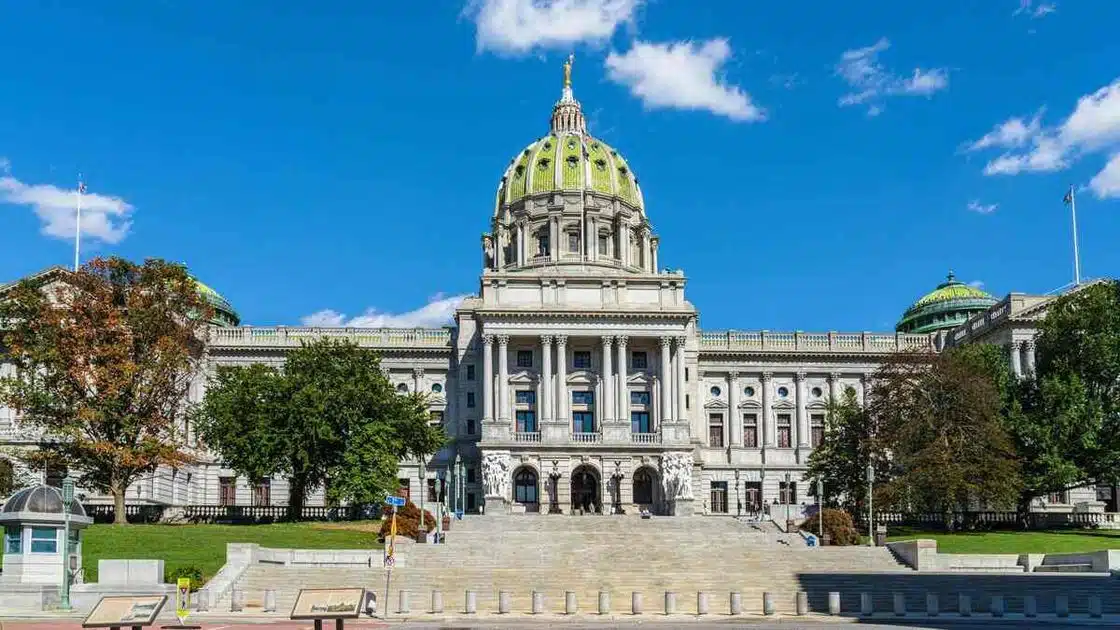
Pennsylvania’s HB2497 proposes a $1 million annual license fee and a 22% tax on prediction market revenue, subject to PGCB oversight.
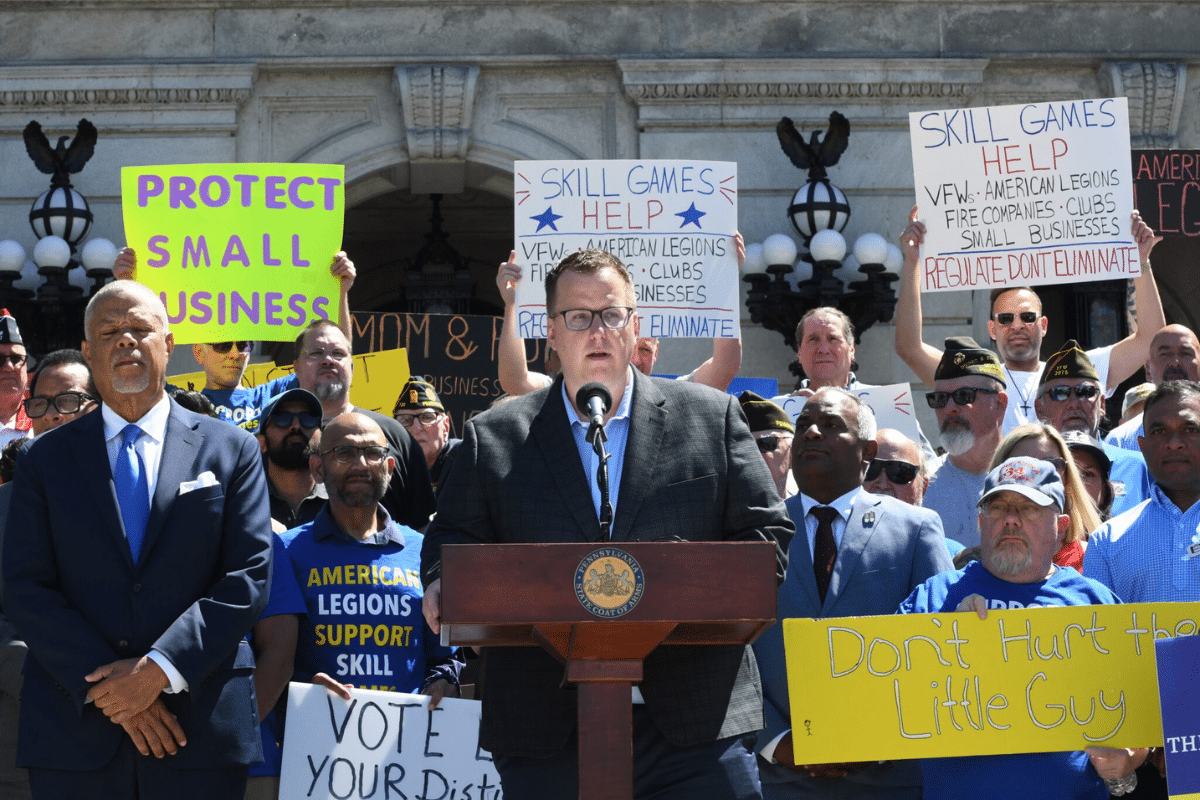
Twelve Pennsylvania House Democrats introduced HB2497 last week, proposing to regulate and tax prediction market operators under the Pennsylvania Gaming Control Board. The bill arrived at an interesting moment: just weeks after the U.S. Court of Appeals for the Third Circuit ruled that the Commodity Exchange Act gives the CFTC exclusive jurisdiction over event contracts and preempts conflicting state gambling laws. Pennsylvania sits in the Third Circuit. That ruling applies directly here.
The timing is not a coincidence. It is the source of the bill’s most interesting structural tension.
What the Bill Proposes
HB2497 would require prediction market operators to obtain a Pennsylvania license from the PGCB for $1 million annually. The bill imposes a 22% tax on gross gaming revenue from event outcome prediction wagering, with proceeds directed to the State Gaming Fund, problem gambling treatment, and local share assessments.
The legislation provides for PGCB oversight of operators, imposes duties on the Department of Revenue for tax collection, and establishes restricted receipt accounts within the State Gaming Fund to receive proceeds. A separate but companion bill from Rep. Tarik Khan specifically targets insider trading, prohibiting athletes from betting on their own games and politicians from betting on their own elections.
The architecture is similar to Iowa’s SF 2470, which also creates a licensing and tax framework rather than attempting an outright ban, and to Kentucky’s HB 904, which imposed a 14.25% rate before Governor Beshear vetoed it on unrelated grounds. Pennsylvania’s proposed 22% rate is higher than Iowa’s 20% and considerably higher than Kentucky’s. It is worth noting that Pennsylvania also charges one of the highest iGaming tax rates in the country at 54%, so the 22% figure for prediction markets represents a genuine discount by the state’s own standards.
The Third Circuit Problem
Here is where the bill gets complicated. On April 6, 2026, the Third Circuit ruled 2-1 that the CEA preempts New Jersey’s attempt to enforce state gambling laws against Kalshi’s sports event contracts. Because Pennsylvania sits in the Third Circuit, that precedent applies directly to any future PGCB enforcement action against prediction market operators in the state.
That ruling creates a specific problem for HB2497’s theory of the case. The bill treats prediction market operators as subject to Pennsylvania gaming regulation, requiring them to obtain PGCB licenses and pay state tax. But if the CEA preempts state gambling laws as applied to CFTC-registered exchanges, the legal basis for requiring those licenses is precisely what the Third Circuit just called into question. A prediction market operator served with a PGCB licensing demand could cite the Third Circuit’s ruling and argue that Pennsylvania lacks authority to impose that requirement.
This is not a fatal objection to the bill as a matter of policy. The Third Circuit ruling is being appealed, and the legal question will ultimately reach the Supreme Court. If the Supreme Court reverses course and finds that states do have authority over prediction market contracts, a Pennsylvania regulatory framework already in place would become immediately operational. The bill could be read as legislative preparation for a legal environment that does not yet exist but might.
Iowa’s SF 2470 addressed this explicitly, including language stating that the framework applies “until such time” as courts determine whether event contracts fall under existing state gambling laws. HB2497’s sponsors would be well-served by similar language. Without it, the bill risks either being unenforceable in the current legal environment or provoking exactly the federal preemption litigation that the Third Circuit has already indicated would go in the operators’ favor.
Why Pennsylvania Is Choosing Regulation Over Prohibition
The PGCB’s posture on prediction markets has been consistent and notably pragmatic. Executive Director Kevin O’Toole wrote to Pennsylvania’s congressional delegation in October 2025, calling event contracts a “backdoor to legalized sports betting, operating parallel to, but outside of, the state-regulated system.” But the PGCB also told the House Gaming Oversight Committee in December that the commonwealth has existing language on the books to regulate and tax prediction markets, should federal statutes allow.
That dual posture, objecting to the current arrangement while maintaining a regulatory pathway for future legalization, reflects the same calculation driving HB2497. Pennsylvania collected $186 million in sports betting tax revenue in 2025. Prediction markets generated an estimated $44 billion in national trading volume the same year. The share of that volume flowing through Pennsylvania without contributing a dollar to the state’s tax base is a calculation that 12 Democrats clearly found motivating.
Rather than continuing to attempt to ban prediction markets, Pennsylvania has taken the alternative route of imposing taxes to prevent the markets from continuing to take away revenue. That framing is accurate as far as it goes. It also quietly acknowledges what the enforcement record has made obvious: banning prediction markets without a Supreme Court ruling in your favor is an expensive exercise that tends to end in federal preemption litigation you are likely to lose.
The Broader Pattern
Pennsylvania’s HB2497 joins Iowa’s SF 2470 and Kentucky’s HB 904 as state-level regulatory frameworks that take prediction markets seriously as economic activity worth capturing rather than simply prohibiting. On the other side of the ledger sit Minnesota’s outright bans, Washington’s enforcement actions, and New York’s “Risky Bets” consumer campaign.
The states choosing regulation over prohibition are, by and large, those operating in federal circuits where the preemption argument has worked well for operators. Pennsylvania, sitting in the Third Circuit after a 2-1 ruling in Kalshi’s favor, has a particularly strong incentive to work with the regulatory reality it faces rather than fight the one it would prefer. HB2497 is a pragmatic response to that situation, whatever its legal vulnerabilities.
The $1 million annual license fee and 22% tax rate signal that Pennsylvania is not trying to invite prediction market operators in with favorable terms. It is trying to capture revenue from an activity it cannot currently stop. Whether the operators will accept those terms, given that the legal precedent in their circuit currently suggests they do not have to, is the question the bill’s next committee hearing may begin to answer.
Players trust our reporting due to our commitment to unbiased and professional evaluations of the iGaming sector. We track hundreds of platforms and industry updates daily to ensure our news feed and leaderboards reflect the most recent market shifts. With nearly two decades of experience within iGaming, our team provides a wealth of expert knowledge. This long-standing expertise enables us to deliver thorough, reliable news and guidance to our readers.
Latest News