Utah Takes on Kalshi and Polymarket in Landmark Prediction Market Fight
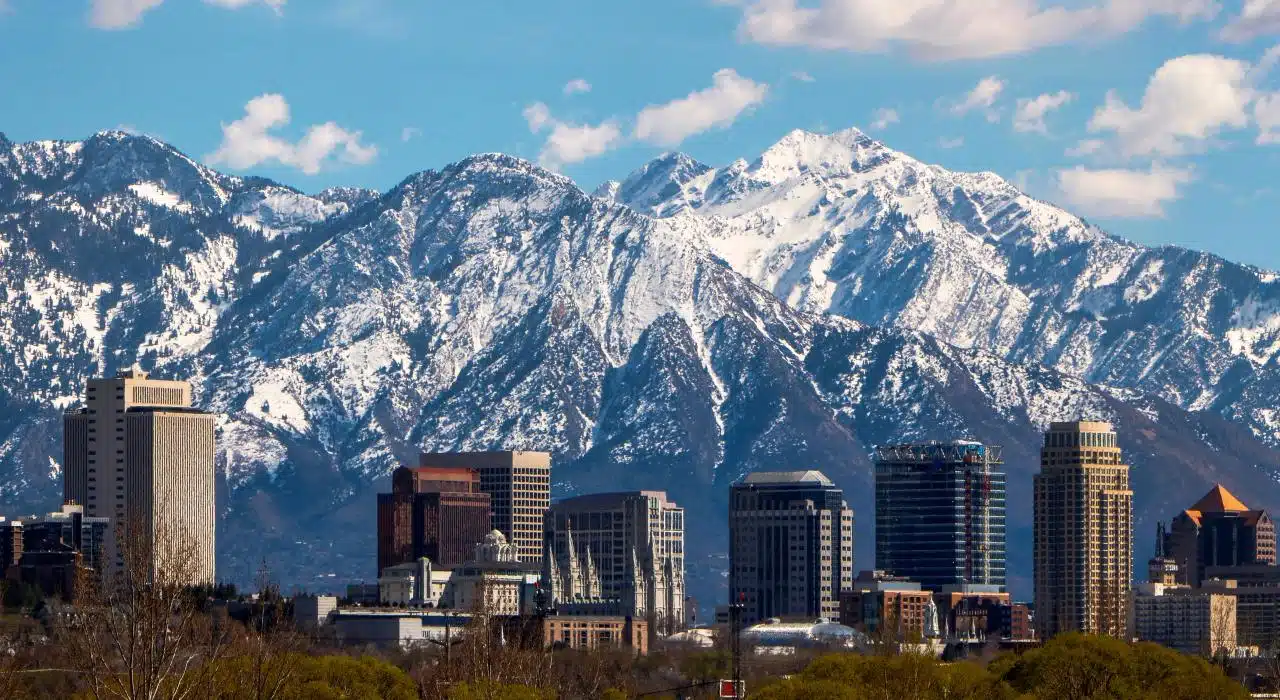
Utah is preparing to sign legislation targeting prediction markets, putting the state on a legal collision course with Kalshi and Polymarket.
Utah has kept gambling out of its borders for over a century. There are no casinos, no lotteries, and no racetracks. That tradition is now colliding with prediction markets.
The state is on the verge of signing legislation to block platforms like Kalshi and Polymarket from operating within its borders. The outcome could set a national precedent.
A Moral and Political Crusade
Utah’s opposition is not primarily economic. It is cultural and religious. The Church of Jesus Christ of Latter-day Saints views gambling as a vice. It leads, in the church’s view, to selfishness and addiction. That position has shaped Utah law for generations. Politicians and faith leaders alike have treated the issue as a moral obligation.
Governor Spencer Cox has been vocal. He described prediction markets as putting a casino in the pocket of every American and called the targeting of young people “really awful.” He has confirmed he will sign the legislation into law.
State Rep. Brady Moore dismissed the industry’s economic arguments entirely. “Utah’s economic outlook has been strong for many years,” he said. “I see no need why we need to embrace these as an economic tool.”
What the Legislation Does
Utah’s bill expands the state’s existing gambling prohibition. Its primary target is sports proposition betting. That is a significant source of revenue for prediction market platforms.
The legislation would ban wagers on individual player performance during games. It would also block bets on team statistical thresholds such as rebounds or other in-game metrics. Crucially, it also takes aim at FanDuel and DraftKings.
Both companies have launched prediction-market products that analysts say could allow them to operate in states where traditional sports betting is banned. Utah’s bill is designed to close that pathway too.
Kalshi Has Already Sued
Kalshi did not wait for the bill to be signed. The company preemptively sued Utah in late February. It asked a federal judge to block the state from enforcing its gambling laws against the platform. That ruling is still pending.
Kalshi’s legal argument rests on federal preemption. It holds CFTC-regulated designated contract market status. It argues that federal derivatives law gives the CFTC exclusive jurisdiction over its products. States, it contends, cannot ban those products simply because they object to them morally.
Spokesperson Elisabeth Diana drew a distinction between Kalshi and traditional sportsbooks. Customers on Kalshi bet against each other. They do not bet against the house. That structure, Kalshi argues, places it outside the definition of gambling under state law.
A Well-Connected Industry
Utah is not picking a fight with a small startup. Kalshi and Polymarket are each estimated to be valued at $20 billion following their most recent fundraising rounds. The industry also has significant political connections.
Donald Trump Jr. is an adviser to both Kalshi and Polymarket. He is also an investor in Polymarket. President Trump’s social media platform, Truth Social, is separately launching its own cryptocurrency-based prediction market called Truth Predict.
The CFTC under the Trump administration has sided firmly with the platforms. Chairman Michael Selig recently declared publicly: “To those who seek to challenge our authority in this space, let me be clear, we will see you in court.”
That puts Utah in an unusual position. Cox is a Republican governor who worked his way into Trump’s good graces after 2024. This fight marks one of his first public clashes with the administration.
The Broader Legal Landscape
The courts are divided. Judges in the gambling-friendly state of Nevada and in the commonwealth of Massachusetts have issued early rulings supporting state authority to regulate prediction markets. Judges in New Jersey and Tennessee have ruled in Kalshi’s favor.
Todd Phillips, a Georgia State University professor who studies prediction market regulation, framed the stakes plainly. “What’s at stake here is whether states will be able to regulate gambling or if gambling is going to be subsumed into finance and ultimately regulated by Congress,” he said.
Utah may be the most culturally distinctive state in this fight. But it will not be the last. The question it is asking is the same one courts, regulators, and legislatures across the country are wrestling with. Is this gambling or finance? The answer will shape an entire industry.
Players trust our reporting due to our commitment to unbiased and professional evaluations of the iGaming sector. We track hundreds of platforms and industry updates daily to ensure our news feed and leaderboards reflect the most recent market shifts. With nearly two decades of experience within iGaming, our team provides a wealth of expert knowledge. This long-standing expertise enables us to deliver thorough, reliable news and guidance to our readers.
Latest News