Sweeps Ban Advances in Maine, Signed Into Law in Indiana
Indiana Governor Mike Braun has signed a bill outlawing the sweepstakes model of social gaming in the state, while a similar bill has just passed in the Maine Senate and now proceeds to the House of Representatives.
The addressable market for “social plus games” — as the industry’s trade group now styles them — keeps shrinking. Indiana is the eighth state to pass a formal ban. However, other states have pushed out most sweepstakes operators with cease-and-desist notices without bothering with additional legislation and some, like Washington, prohibit social casinos even without a sweepstakes element.
Considerable ambiguity exists around the legality of sweepstakes sites in some jurisdictions. As a result, each operator’s list of restricted territories is slightly different. The market leader, VGW, still served 36 states as of March 3, though that will presumably shrink to 35 with the passage of Indiana’s ban.
Although VGW’s sites, like Chumba Casino and Luckyland, are still available more places than not, the loss of important markets like California has had a marked effect on the industry. Over the last year, we’ve seen a wave of closures of smaller sites, while others are starting to show signs that they may be teetering on the brink.
Braun Signs Indiana Sweeps Ban
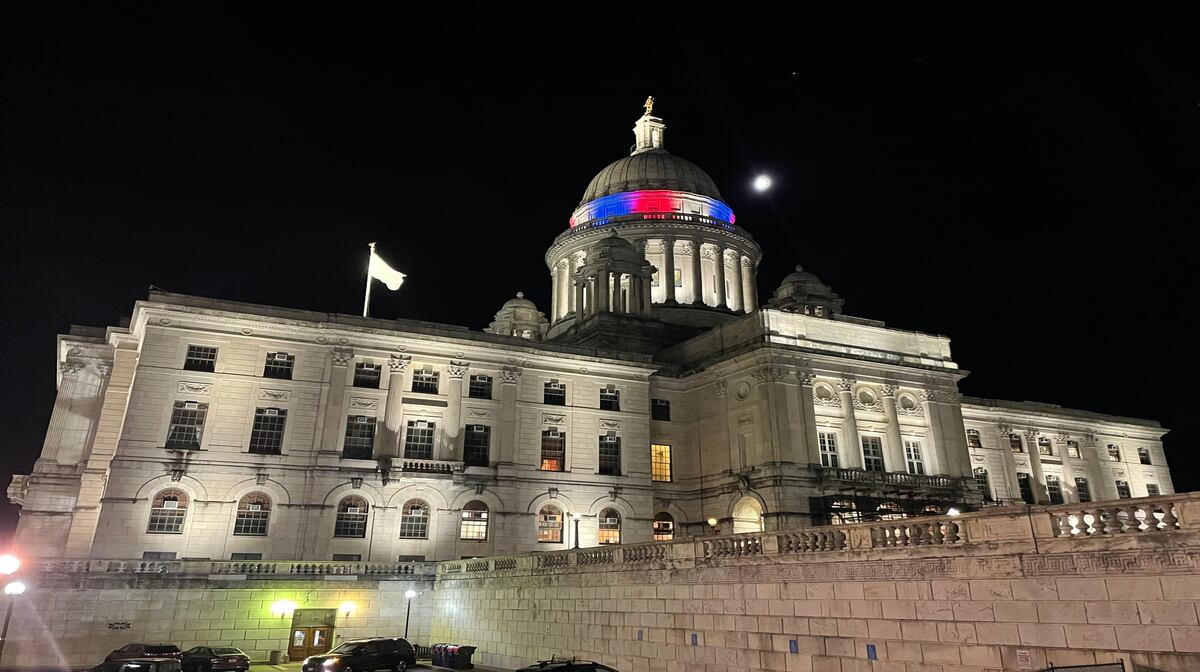
Efforts to drive out or ban sweeps have often been strongest in states that either have legal real-money online casinos, like Michigan and New Jersey, or those that are on the path to legalizing them. Indiana falls into the latter category.
A series of gambling-related political scandals and a negative assessment of iGaming’s potential economic impact derailed legalization efforts in years past. Even so, it’s a likely candidate to allow true online casinos eventually. And that made it a likely candidate to ban their loophole-based competitors.
House Bill 1052 was given the unassuming title Various Administrative Law Matters. However, one of those matters was to establish a definition of “sweepstakes games” and the fines that can be levied to companies offering them.
It passed simultaneously in the House and Senate on Feb 26, following a Conference Committee session to reconcile differences between the versions of the bill each chamber had passed separately.
One interesting last-minute change to the bill was to create an exception for peer-to-peer poker. That means sweeps poker sites like ClubWPT and Global Poker will be allowed to stay.
A gubernatorial veto of the bill never seemed particularly likely, but Gov. Braun made it official on Thursday, affixing his signature to the bill, which will come into effect on July 1.
Maine Senate Passes Sweeps Ban
Maine produced one of the more surprising gambling headlines of 2026 in January, as Gov. Janet Mills signed an online casino legalization bill into law rather than vetoing it as many expected. The bill in question had carried over from 2025, as Mills has exercised a “pocket veto” by failing to act on it before the legislative session expired.
For the same reasons as Indiana, that makes it all the more likely for its ban on sweeps to pass.
Indeed, LD2007 appears to have considerable momentum behind it. It was only reported out of committee on March 5 and passed in the Senate one week later.
Unlike Indiana’s bill, it does not include any carveouts and allows for fines of up to $100,000. In addition, it renders anyone violating the sweeps ban ineligible to hold a gaming employee license in the state.
Continued Signs of Shakiness in the Sweeps Industry
There’s no question that the sweeps industry was a cash cow in its heyday. VGW made its founder Laurence Escalante a billionaire, although he has recently stepped away from the company amid drug-related legal trouble.
However, sweeps now appear to be in the latter half of a boom-bust cycle. Legalization of sports betting in the US drove increasing demand for other forms of online gambling during the pandemic years. However, similar wave of iGaming legalization never manifested, leaving that demand unaddressed.
Sweeps companies flooded to the market, taking advantage of that demand in states where the social casino model was legal but real-money gaming was not.
However, that means that the number of competitors was growing even as states began cracking down and the market started to shrink. Such conditions make attrition inevitable.
Several smaller operators have already folded. The most recent and notable of these is Kickr, another project of Escalante’s, though separate from the VGW brands. It’s set to cease operations at the end of the month.
Gaming content writer and sweeps aficionado James Guill has observed worrying signs even from sites that have not yet announced their closure. He points to bonuses being clawed back, capped jackpots and — most tellingly — long delays in redeeming sweeps tokens for gift cards on some sites. Such delays can indicate underlying cash flow issues and often foretell imminent closure in unregulated gambling spaces.
Players trust our reporting due to our commitment to unbiased and professional evaluations of the iGaming sector. We track hundreds of platforms and industry updates daily to ensure our news feed and leaderboards reflect the most recent market shifts. With nearly two decades of experience within iGaming, our team provides a wealth of expert knowledge. This long-standing expertise enables us to deliver thorough, reliable news and guidance to our readers.
Latest News