Florida gaming overhaul: Bills S1580, S1164 and H0881 aim to tighten, expand controls
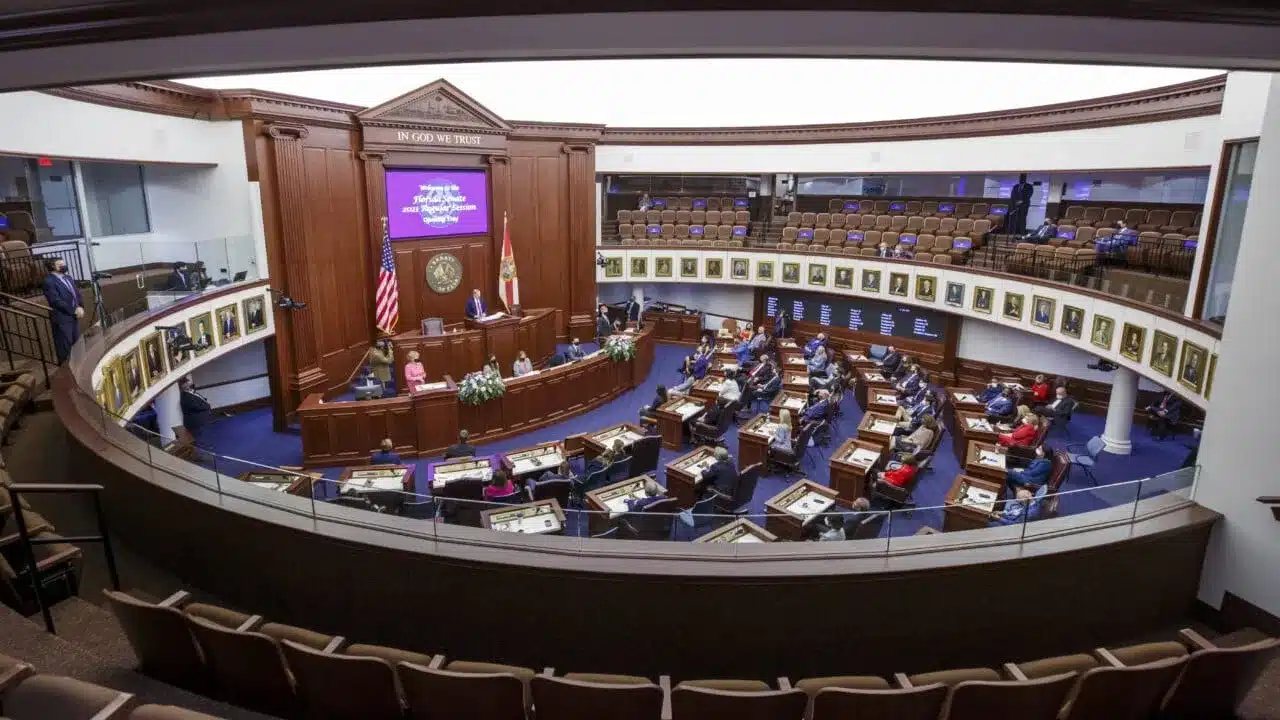
Florida lawmakers filed three gaming bills, S1580, S1164 , and H0881, addressing internet wagering bans, local tax authority limits, and expanded penalties for illegal gambling and related offenses.
As the 2026 Florida Legislative Session approaches, lawmakers have pre-filed several significant bills addressing gaming and gambling regulation, including Senate Bill 1580 (S 1580), Senate Bill 1164 (S 1164), and House Bill 0881 (H 0881), each with implications for how the state regulates wagering, enforcement, and local authority.
Below is a summary of what each bill proposes and how they might reshape Florida’s gaming landscape.
Senate Bill 1580: Betting, Lottery and Gaming Regulation
S 1580 is a comprehensive bill focused on gaming definitions and regulatory clarity. Its chief aims include:
- Clarifying that games of chance played over the Internet for money are unlawful in Florida unless explicitly authorized by statute. This provision would formally prohibit online casinos, slot machines, and similar wagering that isn’t currently permitted under state law.
- Establishing updated definitions and statutory language to distinguish between legal pari-mutuel, tribal and licensed gaming on one hand and unauthorized remote gaming activity on the other.
- Reinforcing the statutory framework that clarifies that internet wagering, lottery sales, and bingo paid for with real money via digital methods are prohibited unless specifically allowed.
In essence, S 1580 attempts to tighten Florida’s gaming code by preventing ambiguity around internet wagering and future digital products that could otherwise exploit gaps in the law.
Senate Bill 1164: State Authority Over Local Gaming and Internet Wagering Ban
S 1164 addresses state authority, enforcement and the scope of banned internet gambling with several key components:
- Prohibiting Internet gambling and Internet sports wagering statewide reaffirms that online betting outside of expressly authorized avenues remains illegal.
- Preempting local governments from creating or enforcing their own gaming-related laws unless expressly permitted by state statute. This provision closes a loophole that could otherwise allow municipalities or counties to establish local gaming taxes, licenses, or retroactive local authorizations.
- Strengthening enforcement tools and clarifying that transporting persons to gambling operations or facilitating illegal gaming are unlawful under state statute.
S 1164 reinforces centralized control over gaming policy in Tallahassee, preventing local ordinances or tax schemes that conflict with state gaming law.
House Bill 0881: Criminal Penalties and Enhanced Enforcement
H 0881 targets the penal side of gaming violations and seeks to modernize enforcement of illegal wagering activity.
Specific proposals in the bill include:
- The creation of new offenses tied to illegal gambling operations, including unauthorized slot machine deployment or gaming equipment installation.
- Expanding culpability for those who organize, own, transport or operate illegal gambling machines or gambling houses.
- Enhancing criminal sanctions that can include fines and probation or imprisonment when unlawful gambling devices or houses are maintained, aligning penalties more closely with public safety goals and economic deterrence.
- Clarifying that specific conduct, such as betting on prearranged contests or wagering on outcomes where the outcome is known in advance, constitutes a criminal offense.
In sum, H 0881 strengthens Florida’s ability to prosecute and penalize operators and organizers of unregulated gambling operations, a concern highlighted by repeated illegal slot seizure operations across the state in recent years.
How These Bills Fit Together
Taken together, the three bills reflect a broad legislative push in Florida to:
- Close ambiguities in digital and remote gaming law (S 1580).
- Centralize regulatory authority and prevent local gaming tax or ordinance proliferation (S 1164).
- Enhance enforcement and penalties against illegal gaming activity (H 0881).
Each bill reflects policymakers’ interest in maintaining stringent control over gambling activities, particularly as new forms of online and tech-based wagering emerge.
Why It Matters
Florida has one of the most complicated gaming environments in the nation due to its mix of tribal compacts, pari-mutuel wagering, charitable gaming, and commercial casinos. The 2026 bills show lawmakers responding to:
- Growth of remote and digital wagering platforms that challenge traditional statutory language.
- Enforcement strains witnessed in recent illegal gambling seizures and prosecutions.
- Local governments seeking gaming-related revenue streams without clear statewide guidance.
The bills also signal legislative prioritization of gaming issues at a time when both online gaming technologies and illegal gambling operations are evolving quickly.
What’s Next in the Legislative Process
All three bills, S 1580, S 1164, and H 0881, will be assigned to relevant committees when the 2026 Florida Legislative Session convenes. There, lawmakers will debate, hold hearings, and consider amendments.
Public testimony from gaming industry groups, tribal representatives, law-enforcement officials, consumer advocates, and local governments is likely as the session progresses.
The final language and outcome of these proposals could significantly shape Florida’s gaming and enforcement landscape for years to come.
Players trust our reporting due to our commitment to unbiased and professional evaluations of the iGaming sector. We track hundreds of platforms and industry updates daily to ensure our news feed and leaderboards reflect the most recent market shifts. With nearly two decades of experience within iGaming, our team provides a wealth of expert knowledge. This long-standing expertise enables us to deliver thorough, reliable news and guidance to our readers.
Latest News