Nevada says no to the ‘jackpot intercept’ program
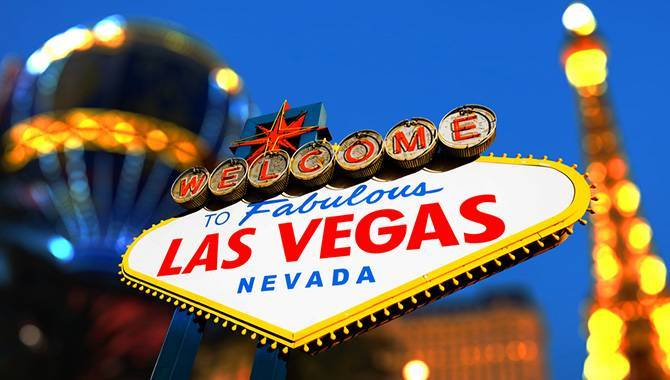
Nevada has decided to further deliberate on a program seeing increased usage in the US.
A recent announcement from the Massachusetts Gaming Commission revealed $3.7m in revenue for 2021. This was due to the efforts of the state’s “jackpot intercept” program.
The program itself was created by the state’s legislation along with Massachusetts’ three gaming licensees. From there, they partnered with the commission’s Investigations and Enforcement Bureau. In Massachusetts, any player that wins over $1,200 in slots or a table jackpot of $5,000, or that pays out at 300-to-1 odds, has their name and Social Security number run through the Department of Revenue.
From there, the Investigations and Enforcement Bureau steps in and looks for any back taxes or back child support. This process, or “jackpot intercept” program isn’t unheard of either, as 19 other states have something similar. However, one of the states most known for gambling isn’t one of them. Nevada has still not approved a program like this, but not without trying.
Back in March of 2021, Nevada lawmakers tried to develop one with state legislation. However, this bill supporting intercepting jackpots is to be left for consideration until the next legislative season, in 2023. Although some support the bill, others question the execution of “AB406.”
One person questioning the bill is the President of the Nevada Resort Association, representing 77 casino companies statewide. CEO and NRA President Virginia Valentine commented: “Due to the size and complexity of Nevada’s gaming industry as compared to states with far fewer licensees, a reasonable first step would be for the state to develop a reliable and secure IT system or database; and ensure it works as intended with adequate data privacy protections before mandating an untested system.”
A large concern is that this could deter players from playing in the first place. This was pointed out by former Nevada Gaming Control Board Chairwoman Becky Harris. Harris also went on to say: “I think it becomes a challenge because we do have a responsibility to make sure that the games are fair, and part of the fairness of those games is that when you win, you get paid.”
The bill will be revisited in January of 2023, but it’s tabled in Nevada until then.
Players trust our reporting due to our commitment to unbiased and professional evaluations of the iGaming sector. We track hundreds of platforms and industry updates daily to ensure our news feed and leaderboards reflect the most recent market shifts. With nearly two decades of experience within iGaming, our team provides a wealth of expert knowledge. This long-standing expertise enables us to deliver thorough, reliable news and guidance to our readers.
Latest News