

VICI Expands Empire With $1.16bn Deal as Golden Exits Public Markets
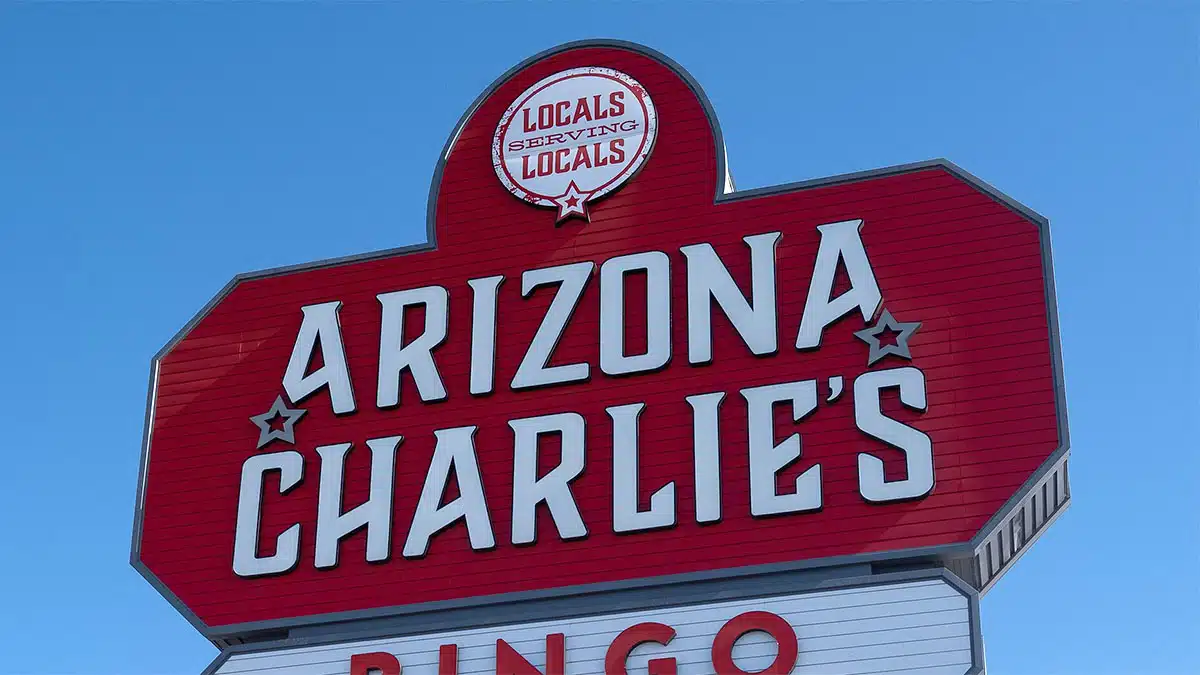
Credit: Halfhog via Wikimedia Commons
VICI Properties will close its $1.16 billion acquisition of seven Nevada properties from Golden Entertainment on or around April 30. Shareholders approved the deal in March, and the companies have met all necessary regulatory conditions.
The transaction is part of a major structural overhaul for the Nevada-based operator, which will ultimately see Golden Entertainment removed from trading on the NASDAQ. Shareholders agreed last November to an offer by CEO Blake Sartini to take the company private at $30 per share.
Selling the physical casino properties while retaining control of the gaming and hospitality operations is a way to eliminate Golden Entertainment’s debt ahead of the takeover. Sartini has created a private holding company to enter into a leaseback arrangement with VICI.
The Deal in Detail
VICI acquires 100% of the land, real property, and improvements across the seven-property Golden Portfolio under the terms of the sale-leaseback arrangement. This includes the STRAT Hotel, Casino and Tower on the North Las Vegas Strip, Arizona Charlie’s Decatur and Arizona Charlie’s Boulder in the Las Vegas locals market, the Aquarius and Edgewater Casino Resorts in Laughlin, and the Pahrump Nugget Hotel & Casino and Lakeside RV Park & Casino in Pahrump.
The newly formed private operating entity retains all gaming licenses, operational assets, staff, and brand identity, while VICI takes on the landlord role. The Golden Master Lease sets annual rent at $87 million for the initial 30-year term, with four five-year renewal options and a 2% annual rent escalation starting in year three.
VICI based the 7.5% cap rate on property-level EBITDAR for the 12 months ending June 2025. The 1.9x rent coverage shows that the properties generate significantly more cash than the rent they will owe.
VICI will assume and immediately retire Golden’s $426 million in outstanding debt when the deal closes. Golden shareholders will receive approximately 0.902 shares of VICI stock for each Golden Entertainment share they hold, with the remainder of the buyout being paid in cash by the private operating entity. Gold Town in Pahrump remains in Sartini’s hands, along with Golden’s 72 gaming taverns spread across Nevada.
The Case for Going Private Now
The gaming sector has hit a rough stretch in the public markets recently. Strip-focused operators have suffered from lower-than-expected tourism numbers in 2025, which fell 7.5% from 2024, while gaming revenue increased by less than 1% for the year. A decline in Canadian visitors and reduced spending by foreign tourists has directly impacted destination-focused casino stocks.
Sartini understands these numbers, but his properties do not rely primarily on tourists. Golden’s core portfolio outside of The STRAT focuses on locals, which did not experience the same drop-off as major Strip properties.
Local markets in Las Vegas delivered record results in 2025. North Las Vegas gaming revenue increased 4.6%, Laughlin, home to two of Golden’s largest properties, grew 2.4%, and the Boulder Strip rose 3.8%. The locals market reached nearly $12 billion in gross gaming revenue in the 2025 fiscal year, growing about 5% year on year.
Analysts from firms like CBRE expect the locals segment to continue outperforming through 2026 and beyond, driven by population growth, high barriers to entry, and structural factors such as no-tax-on-tips legislation that increases discretionary income for Nevada’s largely tipped workforce.
These trends show that Golden Entertainment’s operating fundamentals remain strong. The company’s $426 million debt load created the main issue, as it exposed the publicly traded business to market sentiment, macro headwinds, and short-term pressure from quarterly earnings cycles. Going private removes these constraints.
The sale-leaseback structure allows Sartini to retire the company’s debt, return capital to shareholders, and exit public markets with a clean balance sheet and no reporting obligations. He continues to run the operational business, which performs well, without outside noise.
The trade-off comes in the form of $87 million in annual rent tied to the 30-year lease, with built-in escalations. This rent burden could become a challenge if local casino markets weaken or if operating costs rise faster than revenue. However, the current strength of local markets, the 1.9x rent coverage ratio, and the long-term structure of the lease suggest that both sides have priced the risk appropriately.
VICI’s Expanding Empire
This deal marks the latest step in VICI’s strategy since it formed following a Caesars Entertainment bankruptcy reorganization spin-off. The company started with a portfolio of 19 Caesars properties and has grown into one of the largest experiential real estate investment trusts in the US, now covering 54 gaming properties and 39 other leisure destinations across North America.
Its most notable deal came in 2022, when it acquired MGM Growth Properties for $17.2 billion. That transaction added Mandalay Bay, the MGM Grand, New York-New York, Luxor, Excalibur, and The Mirage to its portfolio. VICI now owns around 660 acres along Las Vegas Boulevard and stands as the single largest property owner on the Strip.
The Golden deal takes a different direction. Instead of targeting a trophy Strip asset, VICI is making a deliberate push into the Las Vegas locals segment. The company has tracked this market for several years due to its consistent and stable growth profile. Golden OpCo will become VICI’s fifth-largest tenant by annualized cash rent and its 15th overall tenant, adding diversification to a portfolio previously weighted toward destination assets.
Whether the deal proves to be a true win-win will depend on how the next decade unfolds. The outcome hinges on whether the Las Vegas locals market continues to outperform, whether VICI sustains rental growth across its portfolio, and whether Sartini can operate the business at margins that support long-term lease obligations. Both sides appear to have secured what they wanted as the properties change hands on Wednesday.
Image Credit: Halfhog via Wikimedia Commons (license)
Players trust our reporting due to our commitment to unbiased and professional evaluations of the iGaming sector. We track hundreds of platforms and industry updates daily to ensure our news feed and leaderboards reflect the most recent market shifts. With nearly two decades of experience within iGaming, our team provides a wealth of expert knowledge. This long-standing expertise enables us to deliver thorough, reliable news and guidance to our readers.
Latest News