Studies Disagree on Where Northeast Indiana Casino’s Customers Would Come From

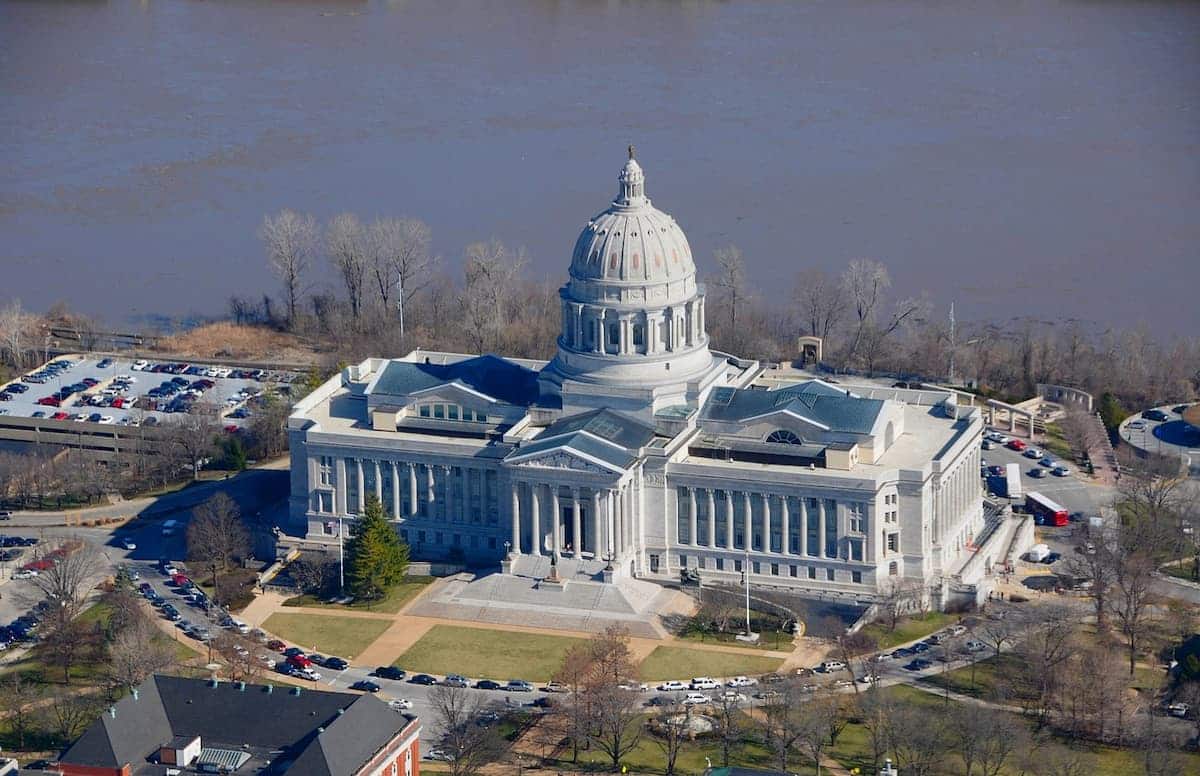
Credit: Caroleannfrye53 via Wikmedia Commons
Two economic studies agree that a new casino in northeastern Indiana would make a little over $200 million in annual revenue, but disagree on whether that would come largely from cross-border customers or in-state locals.
Advocates for a casino in Steuben County — Indiana’s northeasternmost point — are pushing a new study from AM Steinberg Advisors highlighting its economic benefits.
Steuben County is sparsely populated, with only about 88,000 residents. The study nonetheless projects that a large-scale casino resort could make about $200 million per year by 2030, most of that from visitors traveling from more than an hour away.
One projection being given particular attention by casino proponents is that nearly two-thirds of the revenue would come from cross-border visitors from Ohio and Michigan. They hope, no doubt, that such assurances will diminish resistance from groups that a new casino would increase gambling problems in the area.
However, a previous study from Spectrum Gaming Group contradicts that claim. That study, published last September by the Indiana Gaming Commission, considers several possible locations for a new casino. It asserts that any northeastern location would generate revenue predominantly from in-state customers.
Residents of Steuben and two neighboring counties will vote this November on whether to authorize a casino. Any accepted proposal would need to commit to an investment of at least $500 million. Northeastern Indiana is home to numerous small lakes, making seasonal tourism important to the local economy. The hope is that a resort-casino would boost the area’s appeal, while also adding indoor entertainment options for the off-season.
Which Study to Believe?
A disproportionate number of America’s brick-and-mortar casinos are found in close proximity to a state border. The rationale is that the host state can enjoy 100% of the economic benefits of the casino, while sharing the downsides with its neighbors, who have no say in its construction.
That strategy works best when the neighboring states lack legal casinos of their own. However, Michigan is home to numerous tribal casinos, most notably the sprawling FireKeepers Casino. Located in Battle Creek, that casino is only an hour away from the proposed location for a Steuben County Casino. As for Ohio, its northwesternmost casino is Hollywood Toledo, about one-and-a-half hours away.
The Spectrum study seems to base its assumption on a cursory examination of that geography. While residents of southern Michigan and northwestern Ohio already have nearby options, there is no such casino close to Fort Wayne, Indiana, the largest population center in the northeast corner of the state.
By contrast, the AM Steinberg study takes a more mathematical approach, looking at individual zip codes and using a “mass-weighted gravity model” to split the assumed demand between the new casino and existing options.
On the surface, that added mathematical rigor leans in favor of the AM Steinberg study. However, it’s important to note that it was commissioned specifically by the local government to make its case for a casino. Conversely, the Spectrum Study was commissioned by the state regulator to weigh pros and cons for multiple locations in a more neutral way.
It’s worth noting that each study assumes a slightly different location for the casino. While the AM Steinberg study assumes the casino would go right on the Michigan border, the Spectrum Study placed its “proxy point” half an hour further south, closer to Fort Wayne.
Prospects for an Indianapolis Casino Lurk in the Background
There is some additional subtext to all of this, which is that even Full House Resorts — the company most likely to bid on such a project — seems ambivalent about the prospect.
Las Vegas-based Full House has been campaigning for a new Indiana casino because its existing Rising Star Casino is poorly located and doesn’t make much money. CEO Dan Lee is supportive of the idea of a new casino near Fort Wayne, but says he expects the opposition to be well-funded and isn’t willing to commit too much money to pushing for a Yes vote.
At the end of the day, $500 million is a lot of money to commit to a project in such a remote area. Add to this the fact that a last-minute change to the authorization bill raised the licensing fee from $50 million to $150 million. There aren’t even 1 million people within a 60-mile radius of the Steuben County site. Even if one of the referendums does pass, there’s a chance that Full House and others would decline the opportunity.
Meanwhile, the real prize for Indiana casino advocates would be a resort in the state capital. If this year’s effort fails, it’s a given that discussions will continue next year. Although an Indianapolis casino referendum couldn’t make it through the legislature this year, Full House and other proponents would welcome another chance to push for one. A successful referendum for a northeastern casino, on the other hand, might necessitate a pause before advocating for yet another.
Image Credit: Caroleannfrye53 via Wikmedia Commons (license)
Players trust our reporting due to our commitment to unbiased and professional evaluations of the iGaming sector. We track hundreds of platforms and industry updates daily to ensure our news feed and leaderboards reflect the most recent market shifts. With nearly two decades of experience within iGaming, our team provides a wealth of expert knowledge. This long-standing expertise enables us to deliver thorough, reliable news and guidance to our readers.
Latest News