Minnesota Senate Files Tribal-Led Online Sports Betting Bill in 2026
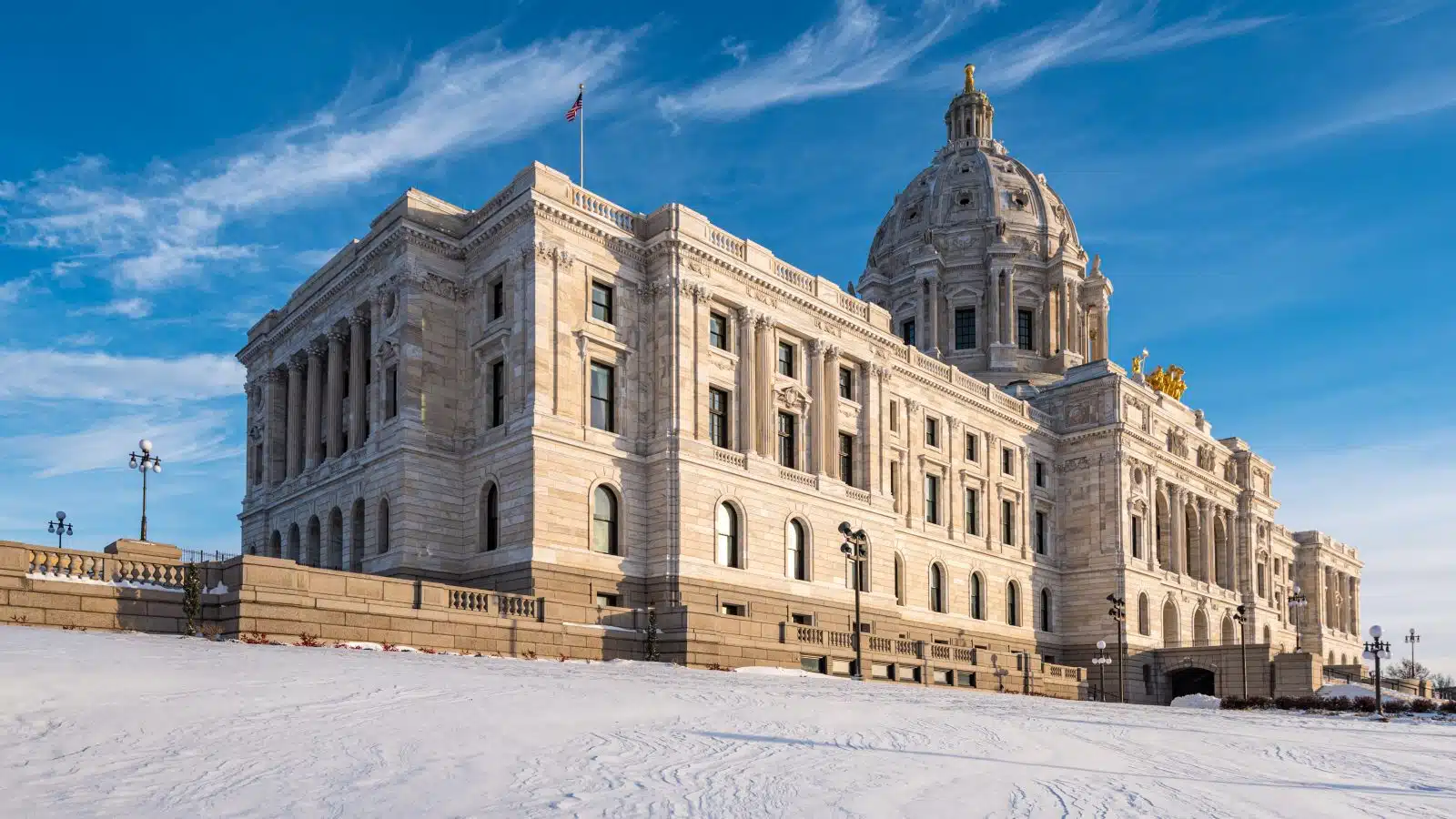
Minnesota’s Senate File 4139 proposes a tribal-led online sports betting framework with up to 11 licenses
Minnesota is making another run at legal online sports betting.
Senate File 4139, introduced on March 5, proposes a tribal-led framework that would give Native American tribes exclusive control over mobile wagering in the state. The bill arrives with bipartisan support.
However, it faces a crowded legislative agenda that may limit its chances this session. It was roughly one year ago that the last sports gambling legislation failed to pass through the Minnesota State Senate.
So, what makes this time around different?
What the Bill Proposes
S.F. 4139 was introduced by DFL Sen. Nick Frentz and Republican Sen. Jeremy Miller, both of whom have previously supported sports betting legislation in Minnesota when a bill was proposed by Sen. Matt Klein.
The bill has been referred to the Senate Commerce and Consumer Protection Committee and the Rules and Administration Committee.
Under the proposal, the Minnesota Commissioner of Public Safety would oversee the regulation of mobile sports wagering. The commissioner could issue up to 11 online sports betting operator licenses exclusively to Native American tribes. Each license would remain valid for 20 years.
Importantly, only tribes that already operate Class III gaming at a land-based casino in Minnesota would be eligible to apply.
Licensing Structure and Fees
The bill establishes a clear two-tier licensing structure.
Tribes would pay a modest annual licensing fee of $2,125. Each tribe could partner with one licensed mobile sportsbook platform provider to power its online operations.
Platform providers face much steeper fees. A one-time licensing fee of $250,000 would be required at entry. After that, renewal fees of $83,000 every two years would apply. Bettors would need to be at least 21 years old to place wagers through any licensed platform.
A 22% Tax With Detailed Revenue Distribution
The bill proposes a 22% tax on net sports betting revenue. Net revenue is calculated as total wagers minus winnings paid out and the fair market value of noncash prizes.
That rate sits above the national average for new market launches, though it remains lower than New York’s 51% tax rate.
The revenue distribution plan reflects Minnesota’s broad coalition of gambling stakeholders. Half of all tax proceeds would go toward offsetting taxes on charitable gambling revenue, a nod to the state’s large and politically influential pull-tab industry.
An additional 15% each would flow to the horse racing industry, to tribes without sportsbook partners, and to grants supporting major sporting events and broader access programs. Four percent would fund responsible gambling programs, and 1% would support amateur sports integrity efforts.
Consumer Protections and Restrictions
The bill includes several meaningful consumer protection provisions. Online sportsbooks would not be permitted to offer college athlete proposition bets. Push notifications would face strict limits, restricted only to alerts about potentially fraudulent account activity, responsible gambling prompts, and identity verification requests.
Funding sportsbook accounts through credit cards would also be prohibited under the proposal. Peer-to-peer wagers placed on betting exchanges would not qualify as legal sports wagering in Minnesota.
In addition, tribes could offer in-person betting at their casinos if they negotiate updated gaming compacts with the state. Importantly, wagers placed on tribal land would not be subject to state taxes.
Research Requirements Before Launch
One of the more distinctive features of S.F. 4139 is its mandatory research requirement. Before mobile sports wagering can launch, the commissioner of public safety must conduct a baseline study measuring the current level of gambling activity in Minnesota and the prevalence of problem gambling.
That data must be collected before launch and updated every three years.
A separate study would assess the impact of sports betting on gambling disorders, suicide linked to problem gambling, and risks to youth. Together, these requirements signal that Minnesota lawmakers are approaching legalization carefully rather than rushing to generate revenue.
An Uphill Battle in 2026
Despite its thoughtful framework, the bill faces a difficult path this session. DFL House Leader Zack Stephenson recently described sports betting as issue number 27 on the agenda this year.
Legislative priorities include alleged fraud connected to government services and proposals addressing firearms restrictions following the assassination of former House Speaker Melissa Hortman in 2025.
Minnesota has debated sports betting for several years without passing legislation.
However, S.F. 4139’s bipartisan sponsorship and its deliberate effort to address the concerns of tribes, charitable gaming interests, and the horse racing industry make it the most carefully constructed attempt yet.
Players trust our reporting due to our commitment to unbiased and professional evaluations of the iGaming sector. We track hundreds of platforms and industry updates daily to ensure our news feed and leaderboards reflect the most recent market shifts. With nearly two decades of experience within iGaming, our team provides a wealth of expert knowledge. This long-standing expertise enables us to deliver thorough, reliable news and guidance to our readers.
Latest News