Alabama Ready to Try Again on Gambling Reform, Says State Lawmaker
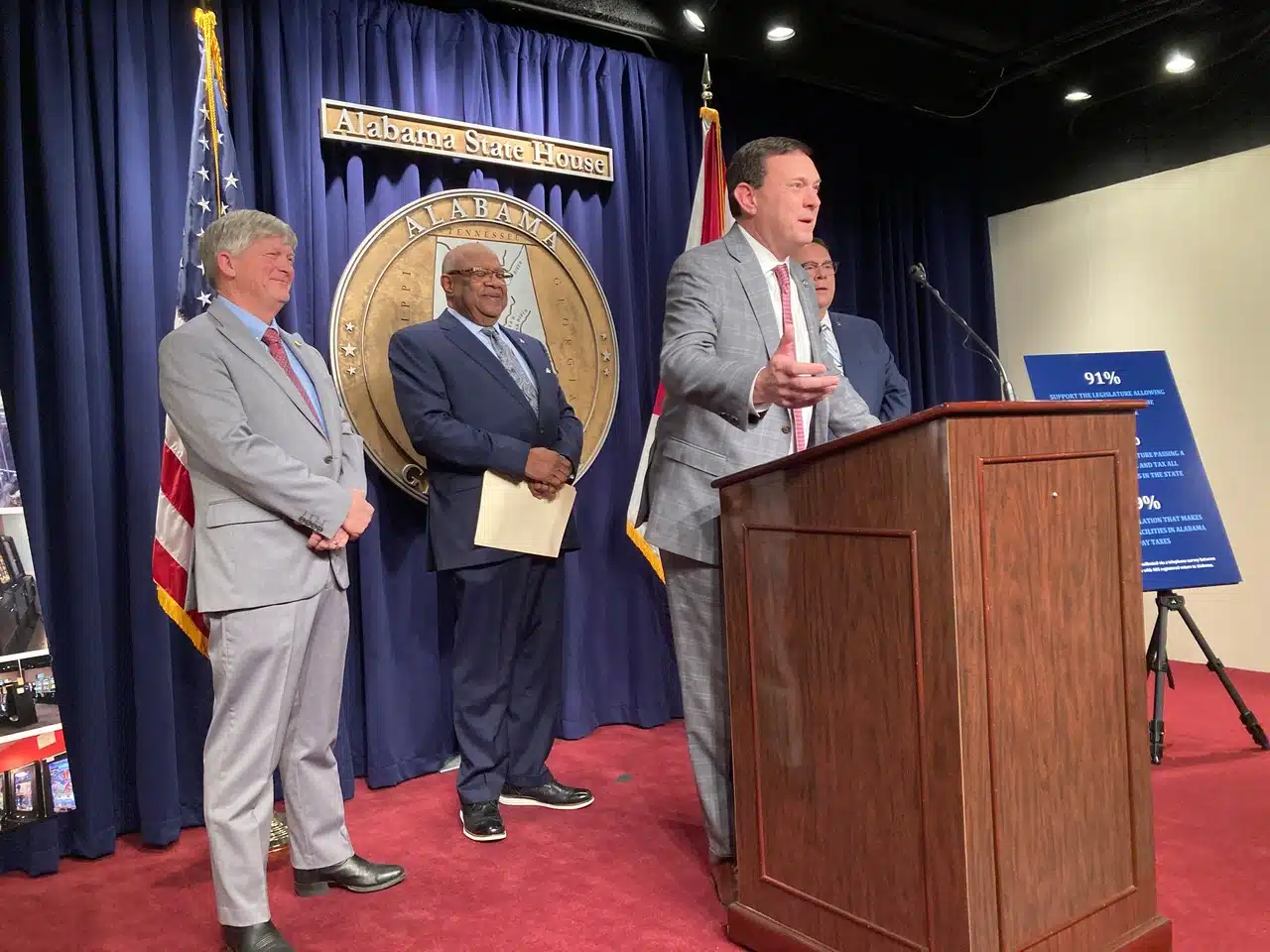
State Representative Chris Blackshear, the most persistent champion of gambling expansion in the Alabama House, said last week that a real conversation about legalizing gambling in Alabama is coming next quadrennium.
He has said versions of this before, and so has everyone else involved in this fight in Alabama. The conversation keeps coming, but the legislation keeps dying. Alabama remains one of a handful of states where casino gambling, sports betting, and a state lottery are all illegal, while an estimated $2.4 billion in annual gambling revenue flows to neighboring states and offshore operators. Gambling PACs continue to pour money into the Alabama fight, but they’ve yet to see a victory.
Blackshear is not wrong that the conversation will eventually happen. The Alabama Legislature has one of these conversations almost every session. What he is not saying, and what the record suggests he understands perfectly well, is that the conversation’s outcome is already largely determined by a structural conflict between the two chambers that no amount of additional dialogue is likely to resolve.
The House and Senate Are Far Apart on Gambling Reform in Alabama
It’s becoming a pattern that the House and Senate in Montgomery listen to different constituencies on gambling, and those constituencies have had incompatible interests.
The House, where Blackshear operates, responds primarily to commercial gaming interests: the out-of-state casino operators, sports betting companies, and lottery vendors who want access to Alabama’s market on competitive commercial terms. Blackshear’s 2024 package, which passed the House easily, would have allowed Vegas-style casino gambling at ten locations statewide, legalized sports betting, and created a state lottery. It was a comprehensive commercial expansion that would have created a competitive market with multiple licensed operators and all of the tax revenue that comes with it.
The Senate responds primarily to the Poarch Band of Creek Indians, the federally recognized tribe that operates three of the largest gambling facilities in the Southeast at Atmore, Montgomery, and Wetumpka. The tribe has enormous financial resources, deep relationships with Alabama Senate leadership, and a straightforward institutional interest: any gambling expansion that gives commercial operators the same games and markets the tribe already offers reduces the tribe’s competitive advantage. The Senate’s version of gambling reform looks very different from the House’s: a lottery, a compact with the Poarch Band, and limited commercial expansion that keeps sports betting and full casino games out of the picture.
When the 2024 package went to the conference committee, the two chambers could not reconcile those positions. The Senate stripped the House bill down to a lottery and a tribal compact, and the House refused to accept the result. Just like a number of times before, the session ended without agreement. Senator Greg Albritton, one of the legislation’s key proponents, said the failure set the issue back twenty years. The 2025 session produced no gambling legislation; the 2026 session produced no gambling legislation. Blackshear is now pointing to the next quadrennium, but hoping for a different outcome feels wildly optimistic.
The Tribal Sovereignty Structural Problem Has No Conversational Solution
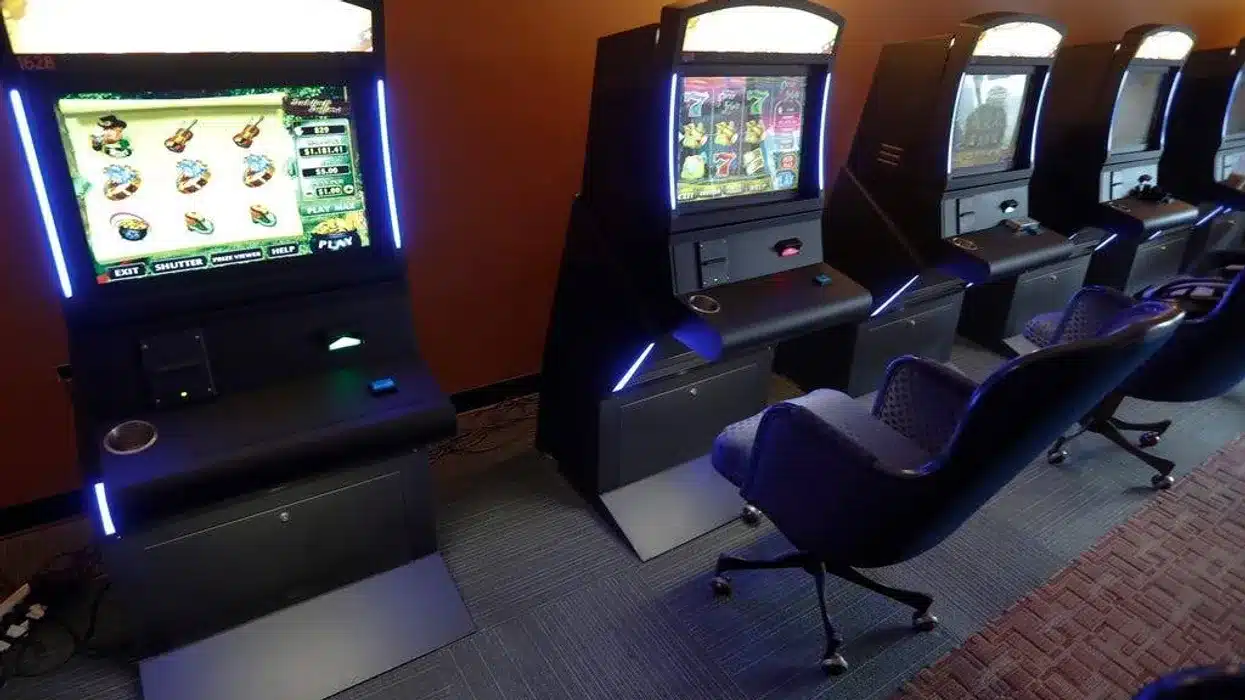
The House and Senate are not divided because they lack information about what Alabama’s gambling landscape looks like. Blackshear spent fourteen months researching the issue before introducing his 2024 package. He and his colleagues toured the state and saw for themselves the illegal machines running in clothing stores, florists, nutrition shops, and gas stations. Speaker Ledbetter has said explicitly that Alabama has more gambling now than it ever has, and that doing nothing is making the problem worse rather than better.
The impasse is not a product of insufficient conversation. It is a product of the tribal sovereignty structure that IGRA created and the power that comes with that in Alabama. When the Poarch Band holds three major facilities and those facilities depend on being the only legal casino gaming available in the state, any comprehensive commercial expansion directly harms the tribe’s competitive position. The tribe has the resources and relationships to ensure the Senate protects that position. The commercial operators have the resources and relationships to ensure the House demands a competitive market. Neither side can win without the other, and neither side has given any indication it is willing to accept terms the other can live with.
That dynamic does not change because another legislative session passes or because a new quadrennium begins. It changes if one of three things happens: the Poarch Band decides it can accept commercial competition and drops its opposition, which feels unlikely; commercial operators decide they can live with tribal exclusivity and stop demanding a competitive framework; or the federal government changes the tribal gaming structure in a way that breaks the deadlock from outside. Currently, none of those things are on the horizon.
Illegal Gambling in Alabama Continues to Grow
Speaker Ledbetter’s comment about illegal gaming proliferating is the most honest thing said about this issue in years. While the Senate and House fight over the terms of legalization, the actual gambling market in Alabama is expanding without any regulatory framework, tax revenue, or consumer protection, and that benefits just about no one. The machines Blackshear saw in clothing stores and florists are the market that exists in the absence of regulation. That market generates no state revenue, and it creates no licensed jobs. It offers no problem gambling resources. The newly forming illegal underground gambling market in Alabama simply exists because the demand for gambling is real and the legal supply is not.
The Lumbee Tribe in North Carolina held a vote over whether to pursue gaming, and tribal members rejected the governance structure their leadership proposed. Alabama is doing something structurally similar, but without the vote: allowing a deadlock to function as a de facto policy, maintaining the status quo not because anyone designed it, but because the parties who could change it have more to lose from any specific change than from continued stalemate.
Blackshear will keep having the conversation, and the Senate will keep protecting the compact. The House will keep demanding commercial markets, and the back rooms of Alabama’s gas stations will keep humming.
Players trust our reporting due to our commitment to unbiased and professional evaluations of the iGaming sector. We track hundreds of platforms and industry updates daily to ensure our news feed and leaderboards reflect the most recent market shifts. With nearly two decades of experience within iGaming, our team provides a wealth of expert knowledge. This long-standing expertise enables us to deliver thorough, reliable news and guidance to our readers.
Latest News