Powerball, America’s Flagship Lottery, Goes International
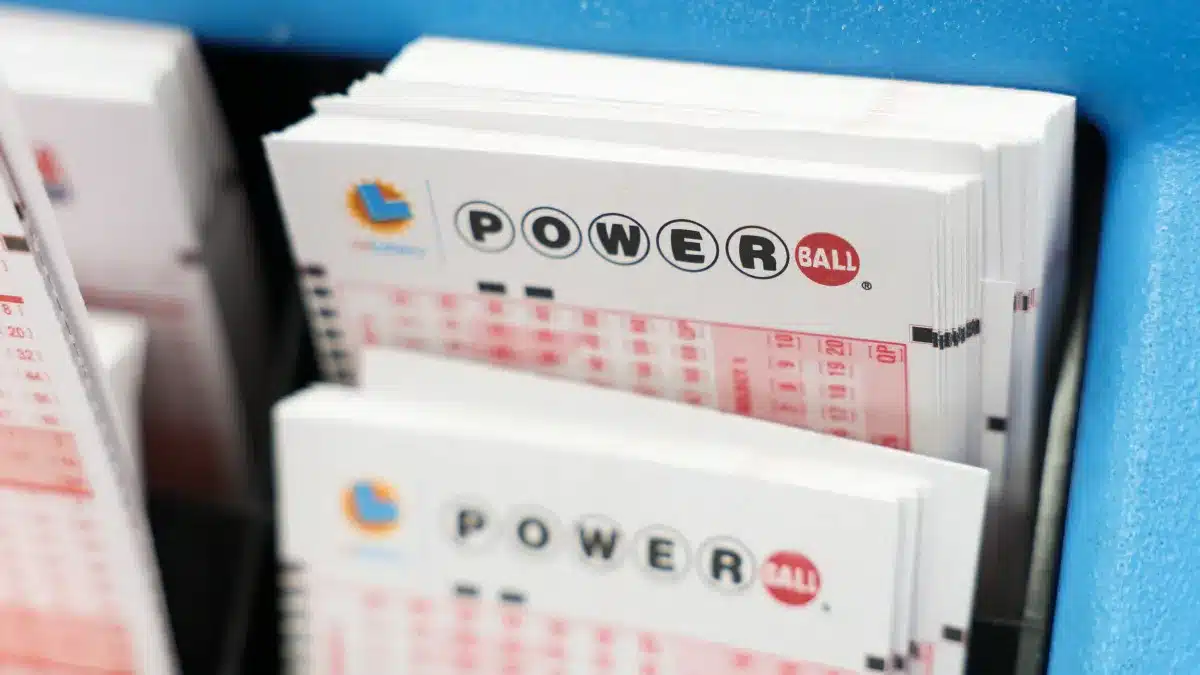
Powerball tickets go on sale in the UK on July 21, with the first draw scheduled for July 23.
Allwyn UK, which operates the National Lottery under a ten-year license, entered into a partnership with the Multi-State Lottery Association to bring American and UK players into the same jackpot pool. Tickets cost £4 in the UK. The current jackpot is estimated at $416 million, and if it rolls over to the launch date, UK players will compete for it from the opening draw.
It marks the first time Powerball tickets go on sale outside the United States. That milestone is real, but it carries a footnote worth noting: the underlying idea, pooling lottery players across political borders to build larger jackpots, is not new at all. It took a surprisingly long time to get here, and the reason is entirely structural.
Pooling Multiple States Started in the 80’s, Europe Caught on Just After
The multi-jurisdictional lottery concept emerged in the United States in the late 1980s. Seven New England states launched Tri-State Megabucks in 1985, the first lottery to pool players across state lines. The logic was simple: more players meant larger jackpots, and larger jackpots attracted more players. An easy enough strategy where seemingly everyone wins. Lotto America followed suit in 1988, expanding to a dozen states. Powerball launched in 1992, and Mega Millions followed shortly. The US multi-state lottery system now covers 48 states, Washington DC, and the US Virgin Islands.
Europe caught up quickly as it adopted what the US was building. Vikinglotto launched in 1993, pooling players across Scandinavia and the Baltic states. EuroMillions followed in 2004, eventually reaching nine countries. By the mid-2000s, European multi-national lottery pools generated jackpots that occasionally outpaced even Powerball, the largest in the US.
So the concept of crossing political borders to pool lottery players is about 40 years old. The US-to-UK version arriving in July 2026 is not a new idea. It just faced a structural obstacle that took until now to clear.
Crossing International Boarders Created Complex Questions
The obstacle isn’t very complicated; it’s simply jurisdictional architecture. In the United States, the lottery authority sits at the state level. Multi-state pools like Powerball required each participating state’s lottery authority to negotiate and ratify an agreement with the others. That is a complex process, but it occurred within a framework in which all parties operate under broadly similar legal structures and report to analogous state regulators.
In most European countries, the lottery authority sits at the national level with a single government-licensed operator. Crossing borders means crossing sovereign regulatory frameworks, each with its own consumer protection requirements, tax treatment, prize payment rules, and responsible gambling obligations. EuroMillions took years to negotiate because each participating country had to align its national lottery regulator with the consortium’s rules.
Bringing Powerball to the UK adds another layer. The prize structure uses a US annuity model, paying jackpots over 30 years, which UK winners will receive in line with that structure. UK gambling regulations, operated under the Gambling Commission, impose requirements that differ from those in US states. Allwyn had to satisfy both frameworks simultaneously.
The fact that it took until 2026 for a transatlantic lottery product to reach retail shelves is less about a lack of ambition and more about the practical difficulty of reconciling two distinct national regulatory systems, even as each operator runs extremely successful lotteries.
The Workings of the New US/ UK Powerball System
The Allwyn-MUSL partnership does not create a separate draw. UK players participate in the same Powerball draws that US players enter every Tuesday, Thursday, and Sunday. The jackpot pool is genuinely shared. A UK winner would receive the same prize as a US winner in an equivalent position, paid out under the annuity structure.
Jackpots start at £12 million and carry no cap, meaning they can grow into the hundreds of millions and, in exceptional cases, above $1 billion. Seven drawings have produced billion-dollar jackpots since Powerball’s 1992 launch. The game’s mathematical structure, with odds of roughly 1 in 292 million for the jackpot, ensures that rollovers occur frequently and that jackpots grow quickly when they do. Adding UK ticket sales to the pool further accelerates that growth.
Allwyn projects that Powerball will generate around £1 billion for UK causes over its first five years, linking the launch to its existing National Lottery mandate. The National Lottery directs a portion of ticket revenue to charitable and public purposes. Powerball revenue flows through the same mechanism.
Rebecca Paul, President and CEO of the Tennessee Lottery and a former World Lottery Association president, described the launch as bringing the US and UK closer to a milestone. More players mean faster-growing jackpots. That logic powered the multi-state model in 1985, the EuroMillions model in 2004, and now drives this partnership. The principle has not changed in four decades; only the borders have.
Players trust our reporting due to our commitment to unbiased and professional evaluations of the iGaming sector. We track hundreds of platforms and industry updates daily to ensure our news feed and leaderboards reflect the most recent market shifts. With nearly two decades of experience within iGaming, our team provides a wealth of expert knowledge. This long-standing expertise enables us to deliver thorough, reliable news and guidance to our readers.
Latest News