Kalshi Launches Market on Platner Withdrawal as Maine Senate Race Descends Into Crisis
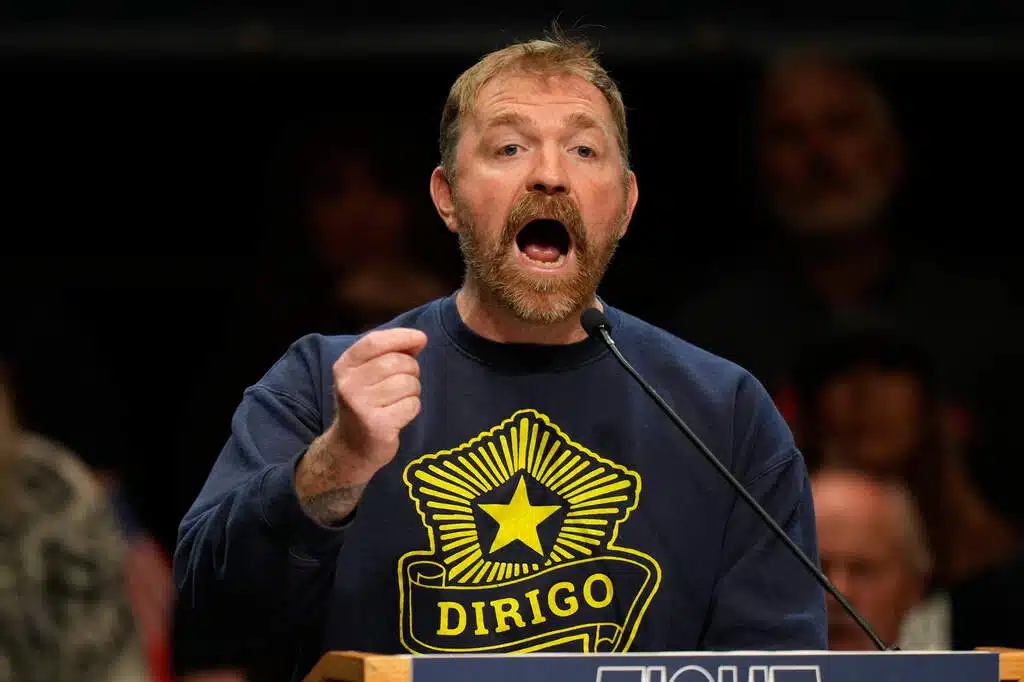
A sexual assault allegation against Maine Democratic Senate nominee Graham Platner was published by Politico on Monday.
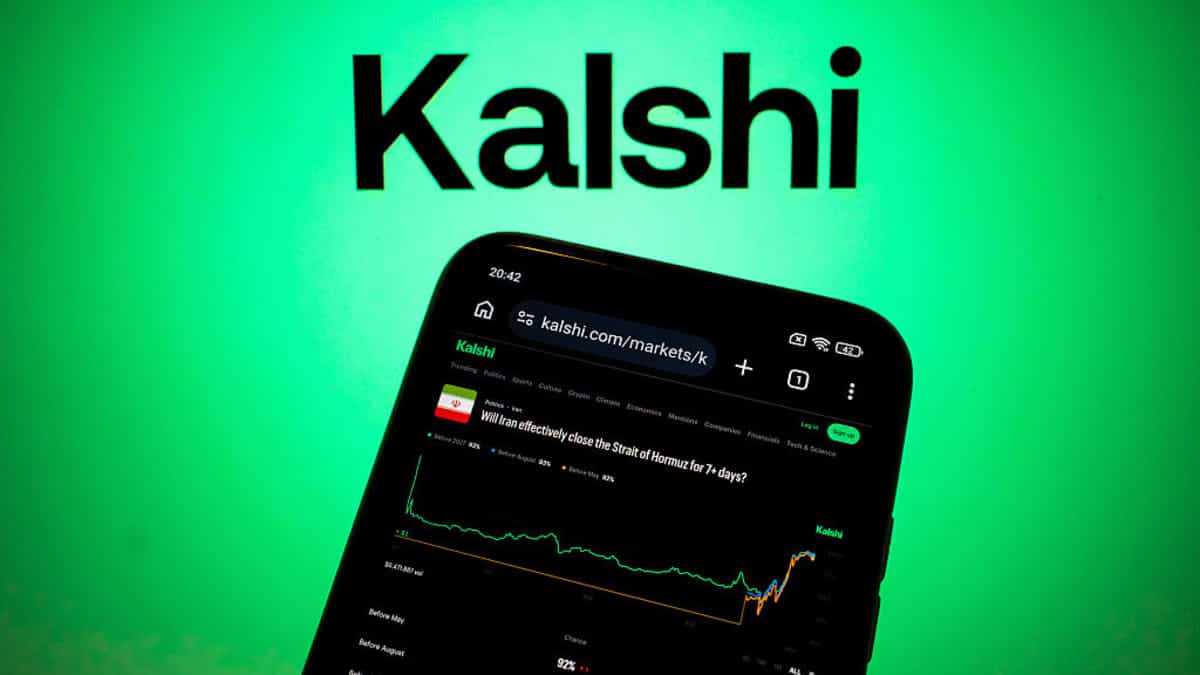
The Politico story triggered an immediate cascade of Democratic leaders withdrawing endorsements and sent Kalshi’s prediction market on his potential withdrawal from the race soaring from single digits to 94% within 24 hours. The contract, asking whether Platner will drop out by July 14, had accumulated more than $4.4 million in trading volume by Tuesday morning as the party moved against its own nominee in one of the cycle’s most closely watched Senate races.
The market’s movement is its own kind of political data. Kalshi traders drove dropout odds to a high of 82% Monday before settling at 94% on Tuesday, reflecting a collective read on Democratic institutional pressure that has few recent parallels: Senate Minority Leader Chuck Schumer and DSCC chair Kirsten Gillibrand issued a joint statement demanding Platner immediately withdraw, and separately announcing the DSCC would not invest in Maine if he remained the nominee. Senator Elizabeth Warren, who had previously described Platner as “my kind of man,” rescinded her endorsement. Representatives Ro Khanna and Ruben Gallego pulled their backing. The Maine Democratic Party called for his withdrawal.
For readers of our prior coverage, the trajectory is familiar. We reported in early June that a series of earlier controversies had moved Democratic odds in the Maine Senate race from 62% to 52% in a week, with more than $1 million in trading on the Kalshi Maine market in a single day following the New York Times’ report about former partners describing Platner’s behavior as unsettling. He survived that episode, won the primary on June 9 with more than 70% of the vote, and entered the general election as the nominal favorite.
The July 6 Politico allegation by former partner Jenny Racicot, who described a non-consensual encounter in 2021, appears to have crossed the threshold that earlier controversies did not.
A July 13 Deadline Looms in Highly Anticipated Maine Senate Race
The market’s specific framing, whether Platner drops out by July 14, reflects a hard legal deadline embedded in Maine election law. Platner has until 5 p.m. on July 13, the second Monday in July, to withdraw as the nominee, allowing Democrats to replace him on the ballot. After that deadline, the Democratic Party would have until July 27 to select a replacement, but if Platner remains on the ballot past July 13 and subsequently drops out, Democrats face the worst-case scenario of running against Collins without a nominee.
Platner himself has not announced withdrawal. His video statement on Monday said he was taking “time to reflect on the best path forward,” describing himself as “mindful of the political reality” the allegation would inflict while maintaining that the reporting was inaccurate. His campaign described the allegations as “coached and coordinated by out-of-state establishment operatives.” Whether that posture holds through July 13 is the question the market is pricing.
Prediction Markets Do What Political Infrastructure Will Not
The Platner situation illustrates something about prediction markets that the regulatory debate around them rarely engages with: their ability to aggregate politically inconvenient information in real time, in ways that formal party structures cannot or flat out refuse to.
Democratic institutional actors had reportedly known for days that a damaging Politico story was coming. The Bangor Daily News reported that multiple Democrats told reporters they expected a significant story to drop Monday or Tuesday, and Platner himself canceled events Sunday and Monday before the allegation was published. The market moved incrementally on those signals, from 2% dropout odds to roughly 9% before the Politico story was published, suggesting that at least some traders were pricing in the expectation of news rather than waiting for it.
Once the allegation was published and the endorsement withdrawals followed, the market moved decisively. That decisiveness reflects a feature of the prediction market format in political crises: traders can act on information and judgment immediately, without the institutional caution that makes party actors wait to see which way the wind is blowing. The Kalshi market reached 82% before Schumer and Gillibrand’s joint statement was published, suggesting it led the institutional response rather than lagging behind.
The new market that emerged alongside the dropout contract, pricing the Maine Senate general election with Troy Jackson as a potential replacement candidate, underscores the same dynamic. Jackson, former Maine Senate president, had not announced any intention to enter the race as of Tuesday morning. His odds were at 31% to Collins’ 39% for the general election on Kalshi, placing him ahead of Platner’s residual odds in the same market. The market has already moved on to pricing the replacement before the replacement has been identified, let alone confirmed.
That is either prediction markets working as designed, aggregating dispersed information and expectations into a price signal, or it is prediction markets running ahead of reality in ways that could prove embarrassing if Platner stays in the race and the market is wrong. The 6% remaining on the no-dropout side suggests the market has not fully closed the door on the possibility.
Maine’s July 13 deadline means the uncertainty will be resolved quickly. The next few days will determine whether the Kalshi market’s 94% read is the predictive accuracy the platforms claim as their defining virtue, or an overcorrection driven by the same progressive media ecosystem that initially made Platner a cause to rally around.
Players trust our reporting due to our commitment to unbiased and professional evaluations of the iGaming sector. We track hundreds of platforms and industry updates daily to ensure our news feed and leaderboards reflect the most recent market shifts. With nearly two decades of experience within iGaming, our team provides a wealth of expert knowledge. This long-standing expertise enables us to deliver thorough, reliable news and guidance to our readers.
Latest News