Senators Ban Themselves From Prediction Trading, House Lawmaker Proposes Following Suit
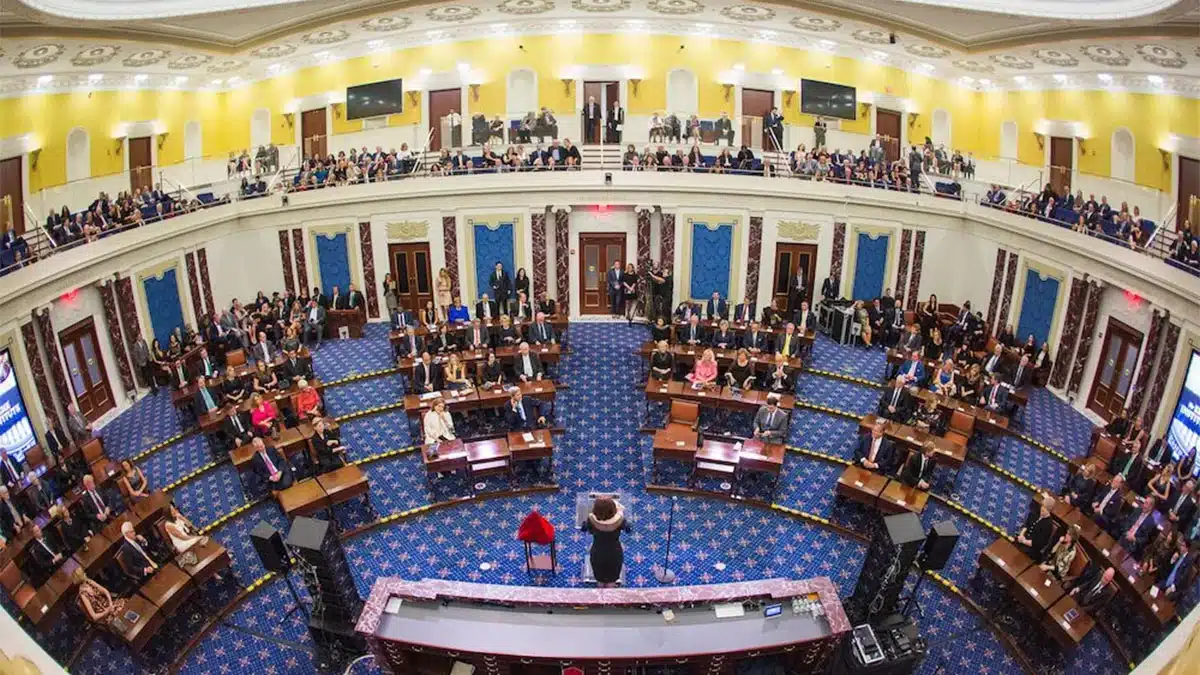
Eric Haynes (Creative Commons)
Federal lawmakers are taking action to rein in their colleagues’ behavior amid a growing scandal around insider trading on political prediction contracts.
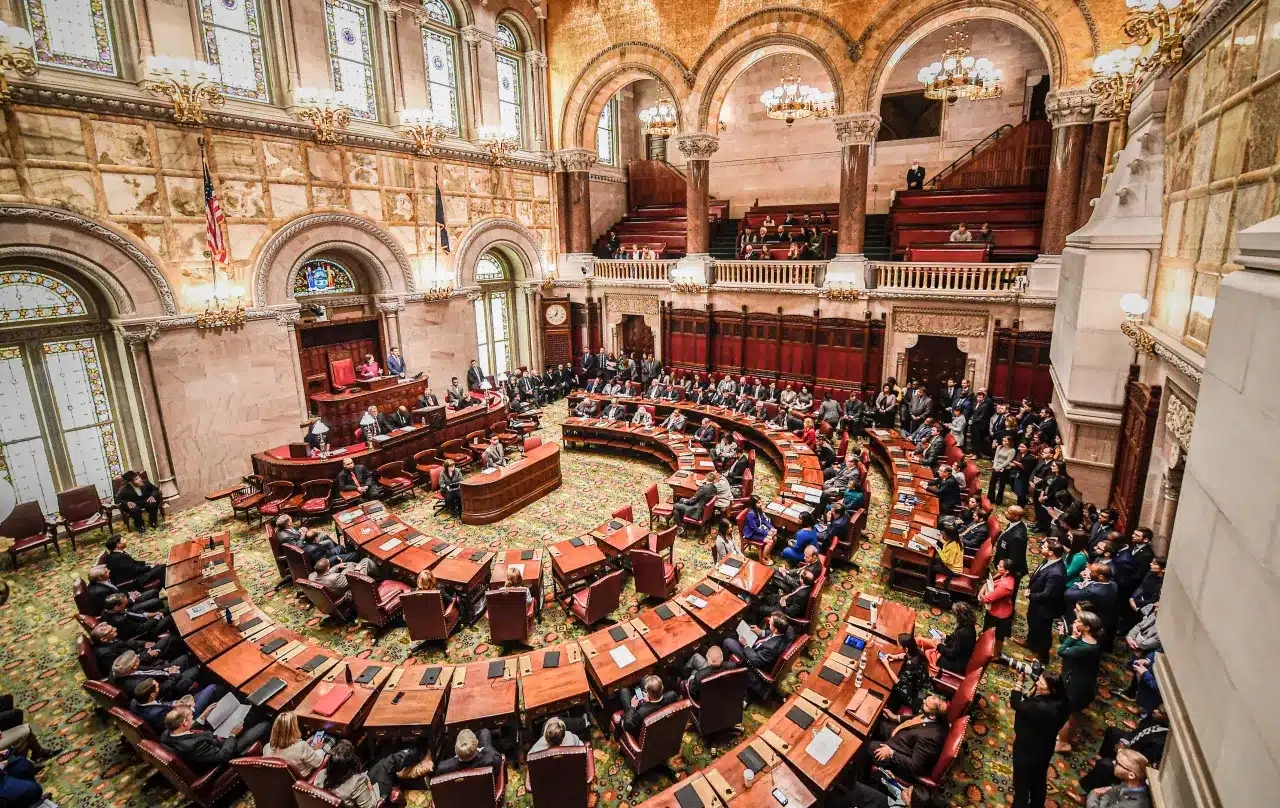
By unanimous vote yesterday, the Senate passed a rule prohibiting all use of platforms like Kalshi and Polymarket by its members. Rep. Dina Titus of Nevada, a prominent opponent of the industry in general, has proposed a similar rule for the House of Representatives.
Insider trading has always been, and remains, a critical weakness for the prediction market model. However, the apparent profiteering on Venezuelan President Nicolás Maduro’s capture in January served as a flashpoint for increasing public awareness of the problem.
Additional suspicious trading around the events of the Iran War has kept the issue front and center in the news. Although certain types of markets like mentions and reality TV are even more susceptible to manipulation and abuse, public outrage is highest when it comes to political markets. The fear, of course, is that policy decisions are being made — or could potentially be made — for the purpose of creating these opportunities. If that happens, there are consequences for the world, not only other traders.
Addressing the problem through legislation may be time-consuming, so the use of procedural rule-making as a stopgap shows the urgency that Congress is feeling.
The move by the Senate comes on the heels of the arrest of a soldier believed to have profited off Maduro’s capture, and suspensions issued by Kalshi to three politicians for trading on their own election campaigns. Some members of Congress have argued for a pardon for the soldier, Master Sgt. Gannon Ken Van Dyke, saying many of their peers are guilty of the same thing.
A Reminder That the STOCK Act Has Never Been Enforced
The rush to take decisive action against prediction markets stands in stark contrast to the utter failure to rein in other trading abuses by elected officials.
It has been 14 years since Congress passed the STOCK Act, establishing that foreknowledge of policy decisions counts as material nonpublic information. Just as it is illegal for corporate figures to trade company shares on such insider information, it has been illegal since 2012 for those in government to make trades when they know the relevant companies are likely to be affected by upcoming policy decisions they are a party to.
Traditional insider trading laws are notoriously difficult to enforce. Even so, there have been a number of high-profile cases over the years, involving the likes of Enron, Amazon, and Goldman Sachs.
Conversely, the number of prosecutions under the STOCK Act since it passed has been exactly zero. In light of that fact, many people, including one of its authors, have criticized it as toothless.
Fortunately, it’s easier to address insider trading on prediction markets, because it’s palatable to ban such trading altogether. Adoption isn’t that widespread yet, and few lawmakers could claim that their event contract portfolios are vital to their personal finances. It’s much easier to ban all trading than only the “bad” kind, yet convincing lawmakers to freeze their entire investment porfolios for the duration of their public service would be a hard sell.
Players trust our reporting due to our commitment to unbiased and professional evaluations of the iGaming sector. We track hundreds of platforms and industry updates daily to ensure our news feed and leaderboards reflect the most recent market shifts. With nearly two decades of experience within iGaming, our team provides a wealth of expert knowledge. This long-standing expertise enables us to deliver thorough, reliable news and guidance to our readers.
Latest News