Federal Judge Denies Kalshi TRO, Raises Abstention Question After Arizona Criminal Charges
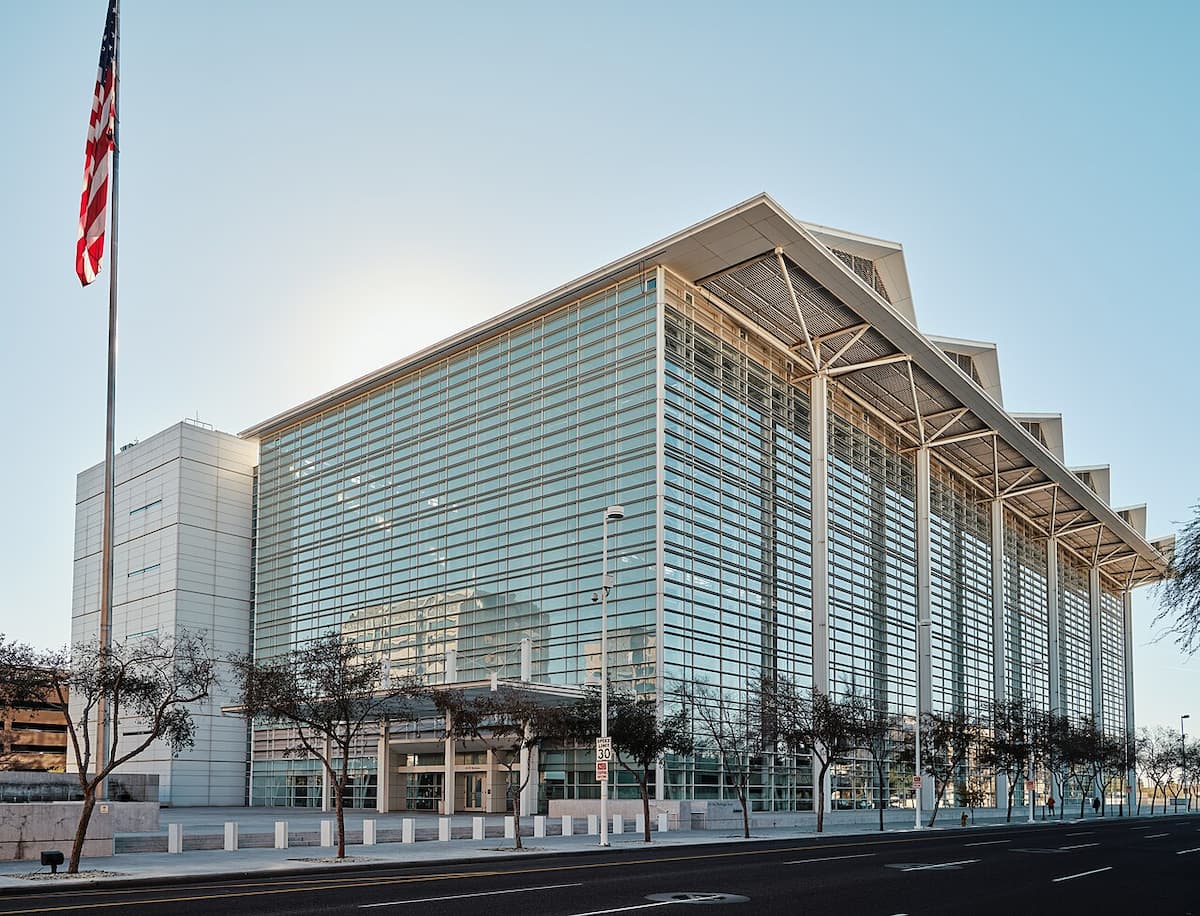
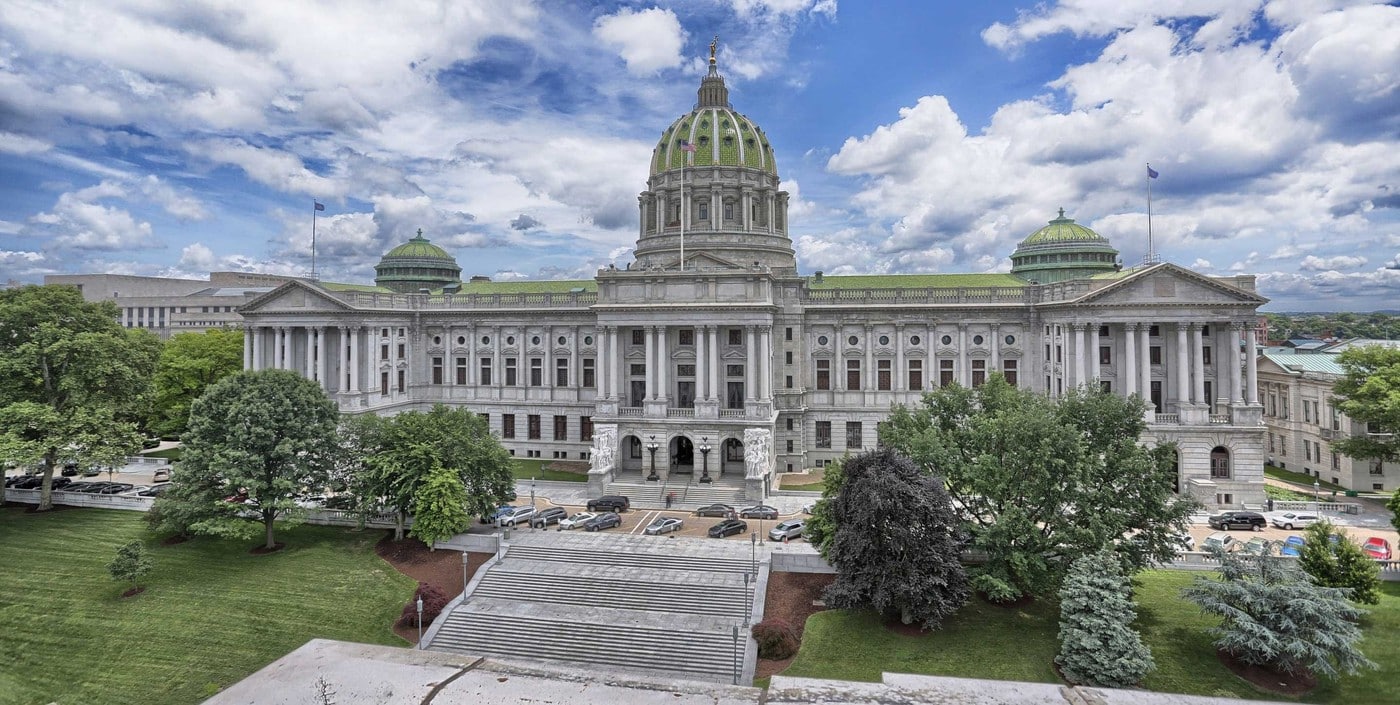
Credit: Tony Webster via Wikimedia Commons
A federal judge denied Kalshi’s request for a temporary restraining order against Arizona and ordered the prediction market operator to explain why the court should not step aside in light of the state’s criminal prosecution.
U.S. District Judge Michael T. Liburdi’s order came the same day Arizona Attorney General Kris Mayes filed criminal charges against Kalshi.
Judge Raises Younger Abstention Question
Judge Liburdi denied Kalshi’s motion for a temporary restraining order, but kept the broader motion for a preliminary injunction pending.
However, the most significant move may have been his order directing Kalshi to show cause. The order requires the company to explain by March 20 why the court should not abstain from the case entirely under the Younger Abstention doctrine.
Younger Abstention holds that federal courts should not interfere with pending state criminal proceedings, respecting state sovereignty and the comity between state and federal judicial systems.
The case is moving quickly. Arizona must respond by March 27, with Kalshi’s reply due April 1. Judge Liburdi set a hearing for both the preliminary injunction and the abstention question for April 3.
The Younger issue could prove significant. If the court agrees that abstention is appropriate, it could decline to hear Kalshi’s federal case, leaving Kalshi to defend itself in the Arizona state court.
It could also prompt other states to consider criminal enforcement against Kalshi or other prediction market platforms.
Arizona’s Criminal Charges Against Kalshi
On the same day, Arizona Attorney General Kris Mayes filed a 20-count criminal information against Kalshi in Maricopa County Superior Court. The move made Arizona the first state to pursue criminal enforcement against a prediction market operator.
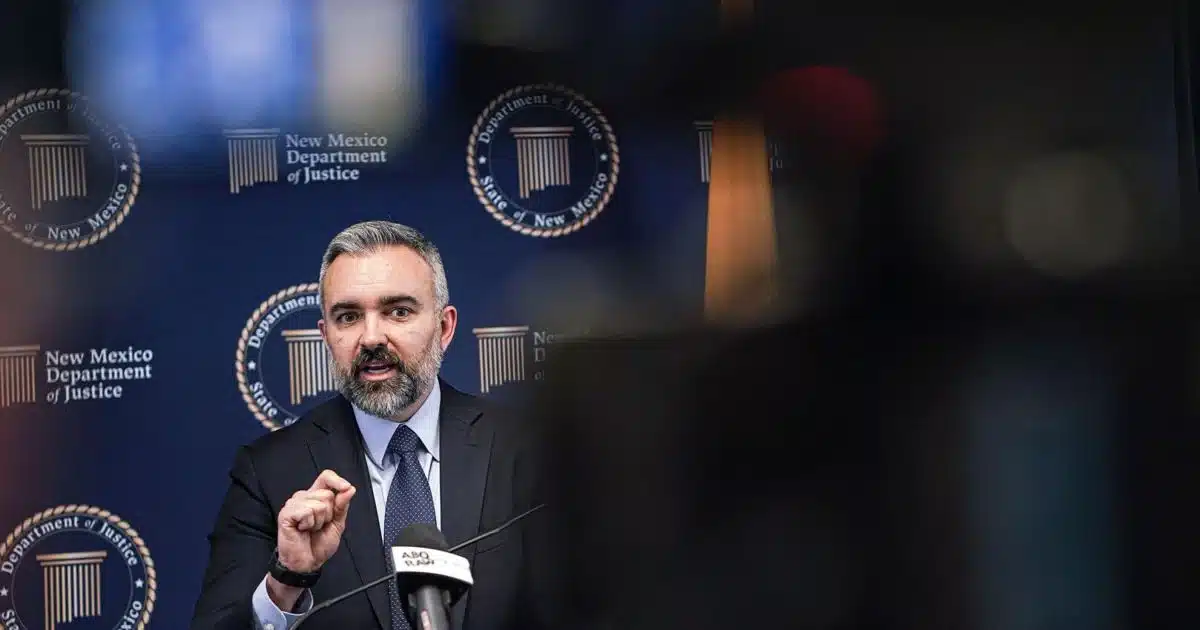
In a press release, Mayes said:
“Kalshi may brand itself as a ‘prediction market,’ but what it’s actually doing is running an illegal gambling operation and taking bets on Arizona elections, both of which violate Arizona law. No company gets to decide for itself which laws to follow.”
The charges allege that Kalshi operated an illegal gambling business without a license and accepted bets from Arizona residents on various events. Those include professional and college sporting contests, proposition bets on individual player performance, and whether the SAVE Act would become law.
Through the criminal case, Arizona can seek fines of $10,000 to $20,000 per charge, asset forfeiture, and court orders to shut down the alleged criminal activity. Prosecutors also gain broader investigative powers, including the ability to subpoena company records and compel testimony from executives.
Kalshi called the charges “seriously flawed.” On X, the company said the charges are “meritless,” and it looks forward to fighting them in court.
CFTC Chairman Mike Selig also weighed in on X. He called Arizona’s actions “entirely inappropriate as a criminal case.” He said the agency is “watching this closely and evaluating its options.”
Kalshi’s Lawsuit Against Arizona
Arizona’s criminal charges arrived only days after Kalshi filed a preemptive lawsuit against state officials, including Mayes. The company alleged that under the Commodity Exchange Act, the Commodity Futures Trading Commission (CFTC) has the “exclusive jurisdiction” over event contracts listed on designated contract markets.
Kalshi argues that its platform falls under federal oversight, and Arizona is “intruding” into the federal government’s exclusive authority to regulate derivatives trading.
The lawsuit was a response to a cease-and-desist order Arizona sent in May 2025 and a subsequent warning to licensed sportsbooks not to engage with prediction markets, actions Kalshi argued demonstrated a credible threat of imminent enforcement.
Arizona has also already booted fantasy sports operator Underdog for its association with a prediction market, further lending credence to Kalshi’s claim of credible threat.
Kalshi has used the same strategy in lawsuits against regulators in Iowa and Utah, filing federal cases before states could act.
What to Watch
The April 3 hearing could be significant. If the court finds that Younger Abstention applies, the federal case could be effectively halted, leaving Kalshi to defend itself in the Arizona state court.
That could force it to exit the state, a development other states might take notice of and follow.
Image credit: Tony Webster via Wikimedia Commons (license)
Players trust our reporting due to our commitment to unbiased and professional evaluations of the iGaming sector. We track hundreds of platforms and industry updates daily to ensure our news feed and leaderboards reflect the most recent market shifts. With nearly two decades of experience within iGaming, our team provides a wealth of expert knowledge. This long-standing expertise enables us to deliver thorough, reliable news and guidance to our readers.
Latest News