Arizona Charges Kalshi in First State Criminal Case Against Prediction Market

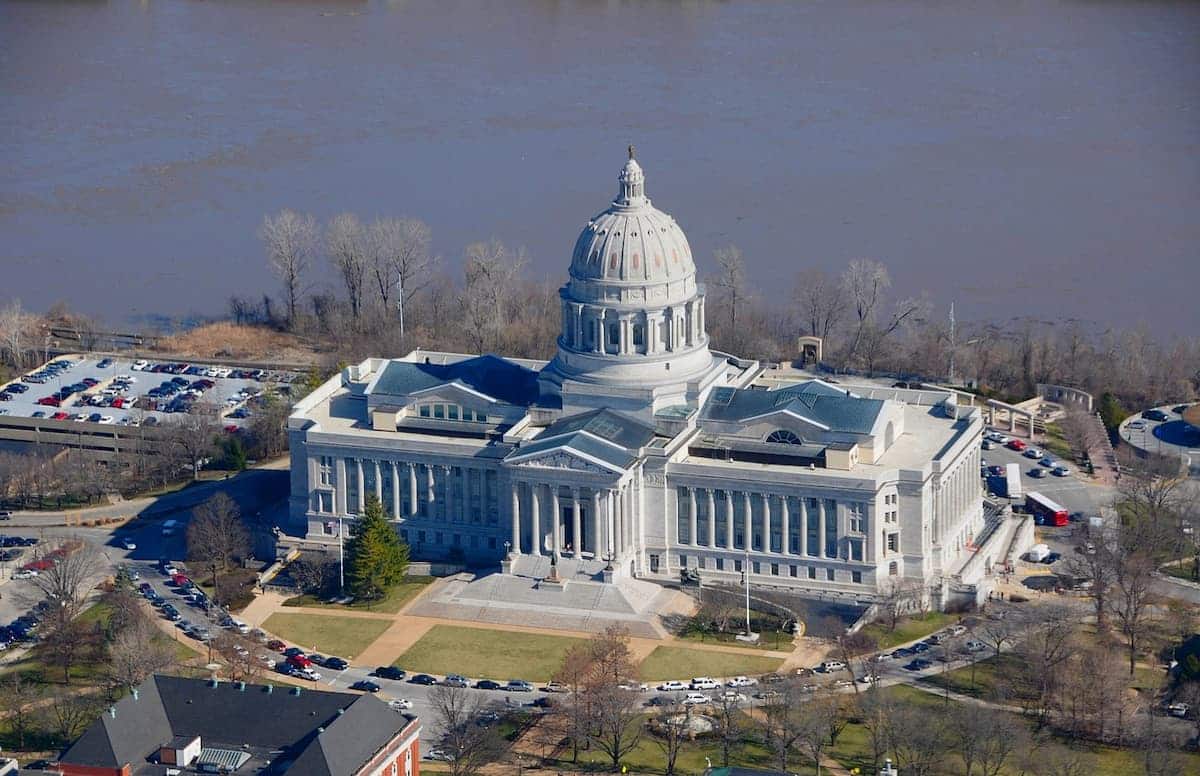
Credit: Ray Redstone/Wikimedia Commons
Arizona Attorney General Kris Mayes filed 20 criminal charges against Kalshi on March 17, marking the first time any state has pursued criminal charges against the prediction operator.
The charges were filed in Maricopa County Superior Court against KalshiEx LLC and Kalshi Trading LLC. The latter is Kalshi’s trading arm, which provides market-making services on the platform.
The charges are misdemeanors. They carry less severe penalties than felonies. But the decision to pursue criminal action, rather than civil enforcement, marks a significant escalation in the broader battle between Kalshi and state regulators.
What Arizona Is Alleging
The 20 counts cover two categories of alleged violations. First, operating an unlicensed wagering business in Arizona. The second is election wagering, which Arizona law prohibits outright.
On the sports side, Mayes alleges Kalshi accepted bets from Arizona residents on professional and college sporting contests and on individual player performance props. On the election side, the charges include four specific counts. Prosecutors allege Kalshi accepted bets on the 2028 presidential race, the 2026 Arizona gubernatorial race, the 2026 Arizona Republican gubernatorial primary, and the 2026 Arizona Secretary of State race.
Mayes was direct in her statement.
“Kalshi may brand itself as a ‘prediction market,’ but what it’s actually doing is running an illegal gambling operation and taking bets on Arizona elections, both of which violate Arizona law,” she said. “No company gets to decide for itself which laws to follow.”
She also addressed Kalshi’s pattern of preemptive litigation directly. Kalshi had already sued Arizona in federal court on March 12, five days before the criminal charges were filed. Mayes said that the lawsuit was an attempt to avoid accountability under state law.
“Kalshi is making a habit of suing states rather than following their laws,” she said. “In the last three weeks alone, the company has filed lawsuits against Iowa and Utah, and now Arizona.”
Kalshi’s Response
Kalshi pushed back hard. A company spokesperson called the charges paper-thin. A social media post called them “gamesmanship.”
“Four days after Kalshi filed suit in federal court, these charges were filed to circumvent federal court and short-circuit the normal judicial process,” the post said. “They attempt to prevent federal courts from evaluating the case based on the merits — whether Kalshi is subject to exclusive federal jurisdiction. These charges are meritless, and we look forward to fighting them in court.”
The company has consistently argued that it operates as a federally licensed derivatives exchange under Commodity Futures Trading Commission (CFTC) oversight. That federal status, Kalshi contends, preempts state gambling regulation entirely.
State courts have not come to a consensus on the matter.
The Federal-State Collision
The Arizona criminal case arrives at a particularly charged moment. CFTC Chairman Mike Selig, appointed by President Trump, has been publicly supportive of prediction markets. He recently issued new guidance asserting the CFTC’s exclusive jurisdiction over event contracts.
He launched a formal rulemaking process to formalize that position. In February, he issued a direct warning to states challenging the commission’s authority.
“To those who seek to challenge our authority in this space, let me be clear — we will see you in court,” Selig said.
That federal posture sets up a direct collision with Arizona. Selig called the charges against Kalshi “entirely inappropriate.”
A Map of Growing State Resistance
Arizona is not acting alone. Federal courts in Ohio, Maryland, Nevada, and Michigan have issued rulings supporting state authority over sports event contracts. State courts in Massachusetts have done the same. All three state-level lawsuits involving prediction markets have ended in victories for regulators.
Kalshi has secured preliminary injunctions in Tennessee and New Jersey. But those wins now represent a minority position in the overall case record. The Ohio federal court ruling, issued just days before Arizona’s criminal filing, explicitly rejected Kalshi’s federal preemption argument. Judge Sarah Morrison wrote that Kalshi’s operational concerns were outweighed by Ohio’s interest in enforcing its duly-enacted laws.
Arizona’s criminal charges raise the stakes for every state still weighing its options. Civil enforcement and cease-and-desist letters are one thing. Criminal prosecution is another. The prediction market industry now faces the possibility that other state attorneys general could follow Arizona’s lead.
Image credit: Ray Redstone/Wikimedia Commons (license)
Players trust our reporting due to our commitment to unbiased and professional evaluations of the iGaming sector. We track hundreds of platforms and industry updates daily to ensure our news feed and leaderboards reflect the most recent market shifts. With nearly two decades of experience within iGaming, our team provides a wealth of expert knowledge. This long-standing expertise enables us to deliver thorough, reliable news and guidance to our readers.
Latest News