Kalshi Withdraws NCAA “March Madness” Trademark Request
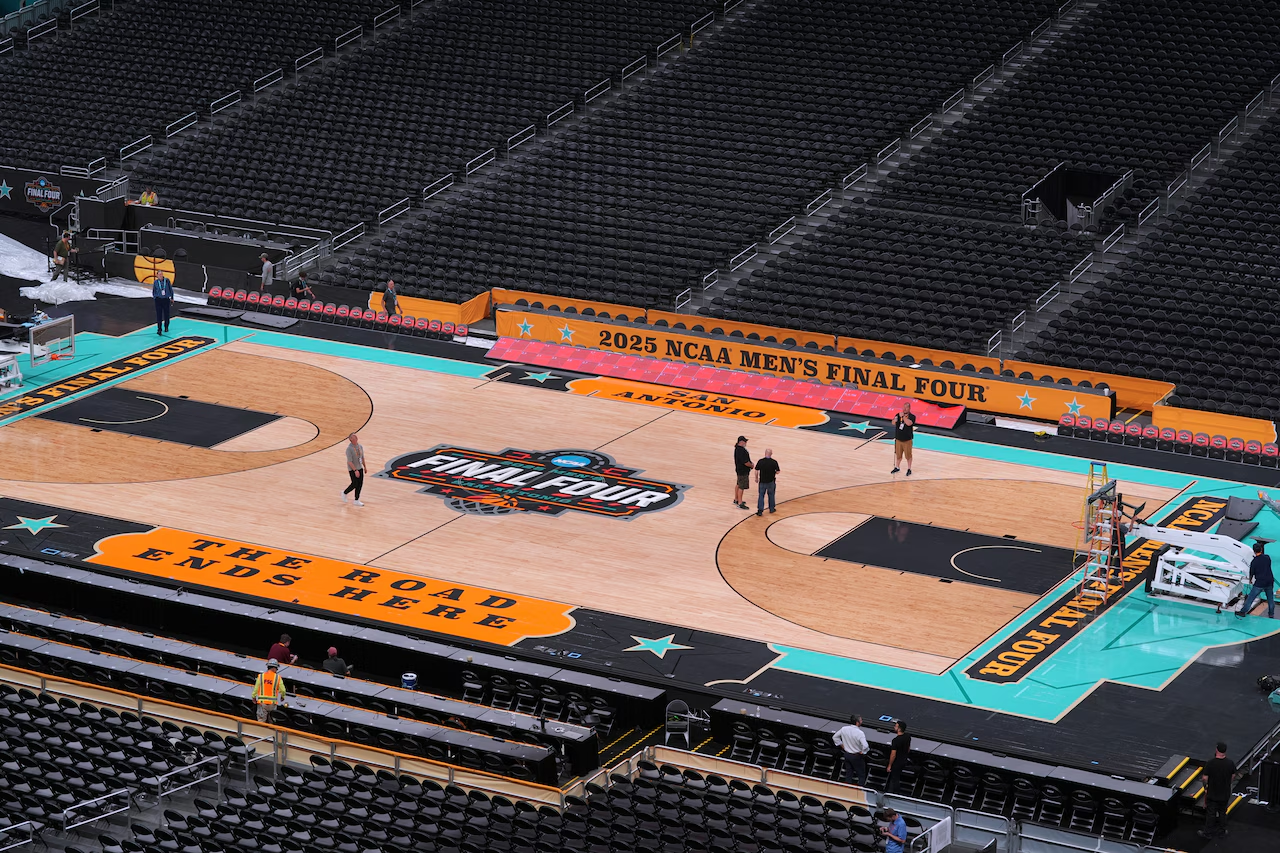
Kalshi pulls trademark filing for “March Madness” tied to event contracts as growing scrutiny surrounds prediction markets.
Prediction market operator Kalshi has withdrawn its trademark application tied to “March Madness,” stepping back from a move that had drawn scrutiny given the NCAA’s long-held control over the phrase.
The withdrawal comes as Kalshi continues expanding its sports event contracts, including markets tied to college basketball tournaments. While the company did not concede wrongdoing, the decision removes what could have become a costly intellectual property battle. It should be noted that Kalshi just emerged victorious in a key legal battle in Tennessee, securing the nod on sports event contracts and potentially setting a precedent nationwide.
For industry insiders, the episode underscores how aggressive expansion into sports-linked prediction markets carries both regulatory and branding risk.
The Trademark Filing That Raised Eyebrows
Kalshi had filed for a trademark incorporating the “March Madness” term in connection with event-based contracts. The phrase is closely associated with the NCAA men’s and women’s basketball tournaments and is protected under federal trademark law.
The NCAA and its partners have historically defended the mark aggressively, pursuing unauthorized commercial uses across media, apparel, and promotional campaigns.
Rather than contest a likely challenge, Kalshi opted to withdraw the request.
Key points in the development:
- Kalshi filed for a “March Madness” related trademark
- The term is federally protected by the NCAA
- The filing was withdrawn before formal dispute escalation
- Kalshi continues offering event contracts tied to college basketball outcomes
Withdrawing the application avoids a direct conflict but does not alter the company’s broader sports-market ambitions. Just weeks ago, a Tennessee student worker affiliated with the football program was fired for placing bets on contracts for NCAA football games.
Why the Trademark Matters
“March Madness” is one of the most commercially valuable sports trademarks in the United States. Licensing rights tied to the NCAA tournament generate billions in media and sponsorship revenue.
Companies referencing the phrase in commercial activity often require licensing agreements. Unauthorized use can trigger swift legal action.
For prediction market operators, branding around major sporting events presents a delicate balance. They may offer contracts on tournament outcomes, but using trademarked phrases for marketing purposes introduces additional legal exposure.
From an insider perspective, the withdrawal suggests Kalshi weighed the cost-benefit of pursuing the mark and chose to avoid litigation.
The Broader Context Around Kalshi
Kalshi remains at the center of national debate over how sports event contracts should be regulated. Courts and regulators continue grappling with whether such contracts fall under federal commodities law or state gambling statutes.
By pulling back on the trademark filing, Kalshi may be signaling a more cautious brand strategy while ongoing legal battles play out in multiple jurisdictions.
Strategic considerations moving forward:
- Avoid unnecessary IP disputes while expanding event offerings
- Focus on product growth over branding battles
- Maintain regulatory positioning under federal oversight
- Reduce legal friction outside core jurisdiction fights
The company can still reference college basketball tournaments in descriptive terms without using protected branding.
What This Means for the Industry
The episode highlights a recurring issue for betting-adjacent platforms. Major sporting events are lucrative traffic drivers, but intellectual property protections remain tightly controlled.
Traditional sportsbooks typically navigate this landscape through licensing arrangements and marketing compliance teams. Prediction market platforms, operating under a different regulatory framework, face similar branding constraints.
For now, Kalshi’s withdrawal diffuses what could have become a high-profile trademark fight with the NCAA.
The larger regulatory and market structure debates remain unresolved, but at least one potential legal front has been quietly closed.
As sports-linked event markets expand, expect operators to tread carefully when it comes to trademarked tournament names.
Players trust our reporting due to our commitment to unbiased and professional evaluations of the iGaming sector. We track hundreds of platforms and industry updates daily to ensure our news feed and leaderboards reflect the most recent market shifts. With nearly two decades of experience within iGaming, our team provides a wealth of expert knowledge. This long-standing expertise enables us to deliver thorough, reliable news and guidance to our readers.
Latest News