Utah Gambling Reform Bill HB 243 Stalls in Senate Amid Prediction Market Concerns
Key Highlights
- Senate Gridlock: HB 243 received by Senate Rules on Feb 11, 2026, amid rising skepticism.
- Legal Clash: Preemption concerns regarding CFTC-regulated prediction markets threaten the bill’s momentum.
- Scope Dispute: Critics warn broad “fringe gambling” definitions may criminalize legitimate small business marketing.
Utah’s push to eliminate the state’s remaining gray-market gambling has hit a major roadblock.
On February 11, 2026, just one day after HB 243, the “Gambling Revisions” bill, cleared the House with a 63-9 vote, it stalled in the Senate Rules Committee.
The slowdown marks a sudden shift in momentum for what legal experts called the most aggressive effort to curb “fringe gambling” in the Beehive State’s history.
House Passage: Momentum for Reform
Sponsored by Representative Joseph Elison (R-Toquerville), HB 243 advanced through the House with broad Republican support. The legislation aims to close loopholes that allow digital platforms and sweepstakes-style operators to operate despite Utah’s constitutional ban on gambling.
During floor debate, Representative Tyler Clancy (R-Provo) described the bill as essential, warning that predatory betting is “destroying” younger generations.
Key Provisions of HB 243
- Prop Bet Prohibition: Codifies wagers on individual player statistics or mid-game occurrences as illegal gambling.
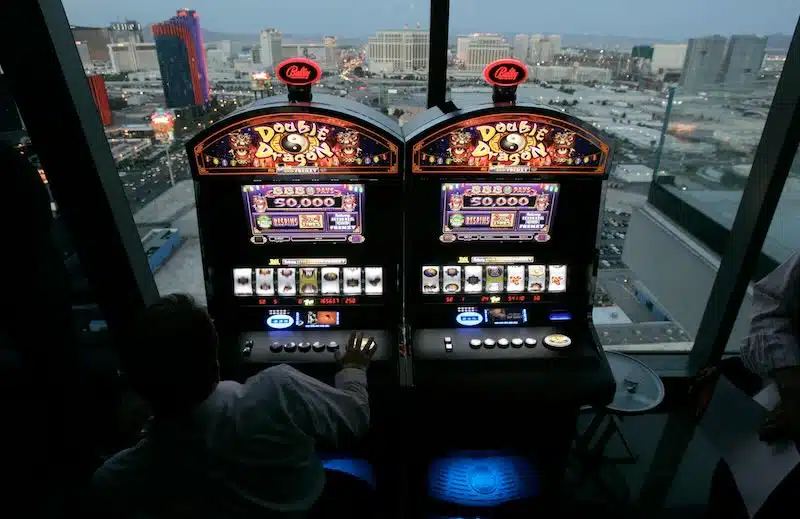
- Sweepstakes Crackdown: Redefines “fringe gambling” to include dual-currency casino platforms, removing promotional carve-outs.
- Retail Loophole Closure: Limits “amusement device” prizes to non-monetary items under $100, effectively banning machines offering cash-equivalent credits.
Senate Roadblock: Why HB 243 Stalled
Despite House approval, the bill encountered resistance under Senate sponsor Brady Brammer (R-Highland). Lawmakers cited concerns over federal preemption and unintended commercial consequences.
1. Prediction Market Conflict
HB 243 targets traditional sports prop betting, but lobbyists raised alarms about platforms like Kalshi. Because these markets are regulated federally by the Commodity Futures Trading Commission (CFTC), some senators fear state-level overreach could trigger costly federal litigation.
2. Broad Definitions
Critics argue the bill’s definition of “fringe gambling” is too expansive. Language in its current form could unintentionally criminalize legitimate sweepstakes used by Utah businesses and tech startups.
“We share the House’s goal of protecting Utahns from predatory unlicensed gambling,” a Senate staffer said. “However, the current language risks casting too wide a net over legitimate promotional activity.”
Several other states have already taken measures to ban sweepstakes casinos, including Tennessee and California. Illinois recently issued 65 cease and desist orders to sweepstakes casino operators.
Impact on the Gray Market
The delay gives sweepstakes casinos and social betting platforms a temporary reprieve. Had HB 243 passed on schedule, Utah would have joined Oklahoma as the second state in 2026 to enact a comprehensive sweepstakes ban.
| Platform | Impact of HB 243 |
| Online Prop Betting | Total ban; Attorney General authorized to issue cease-and-desist orders |
| Sweepstakes Casinos | Reclassified as “Illegal Fringe Gambling” |
| Daily Fantasy Sports | Largely unaffected; classified as games of skill |
| Prediction Markets | Legal status remains gray due to federal oversight |
What’s Next for Gambling Reform
As the 2026 session nears its end, supporters are drafting a Senate Substitute to narrow definitions and address concerns about prediction markets. If no compromise is reached, HB 243 will likely be deferred to the 2027 session, leaving the gray market open for another year.
Representative Elison remains optimistic:
“The bill’s intent—to ensure sports betting doesn’t sneak into Utah through the back door—still has overwhelming public support.”
For now, Utah’s efforts to tighten its gambling landscape remain in limbo, highlighting the challenge of balancing enforcement with federal oversight and protecting legitimate business activity.
Players trust our reporting due to our commitment to unbiased and professional evaluations of the iGaming sector. We track hundreds of platforms and industry updates daily to ensure our news feed and leaderboards reflect the most recent market shifts. With nearly two decades of experience within iGaming, our team provides a wealth of expert knowledge. This long-standing expertise enables us to deliver thorough, reliable news and guidance to our readers.
Latest News