Tennessee bill would ban sports betting access on public college campuses
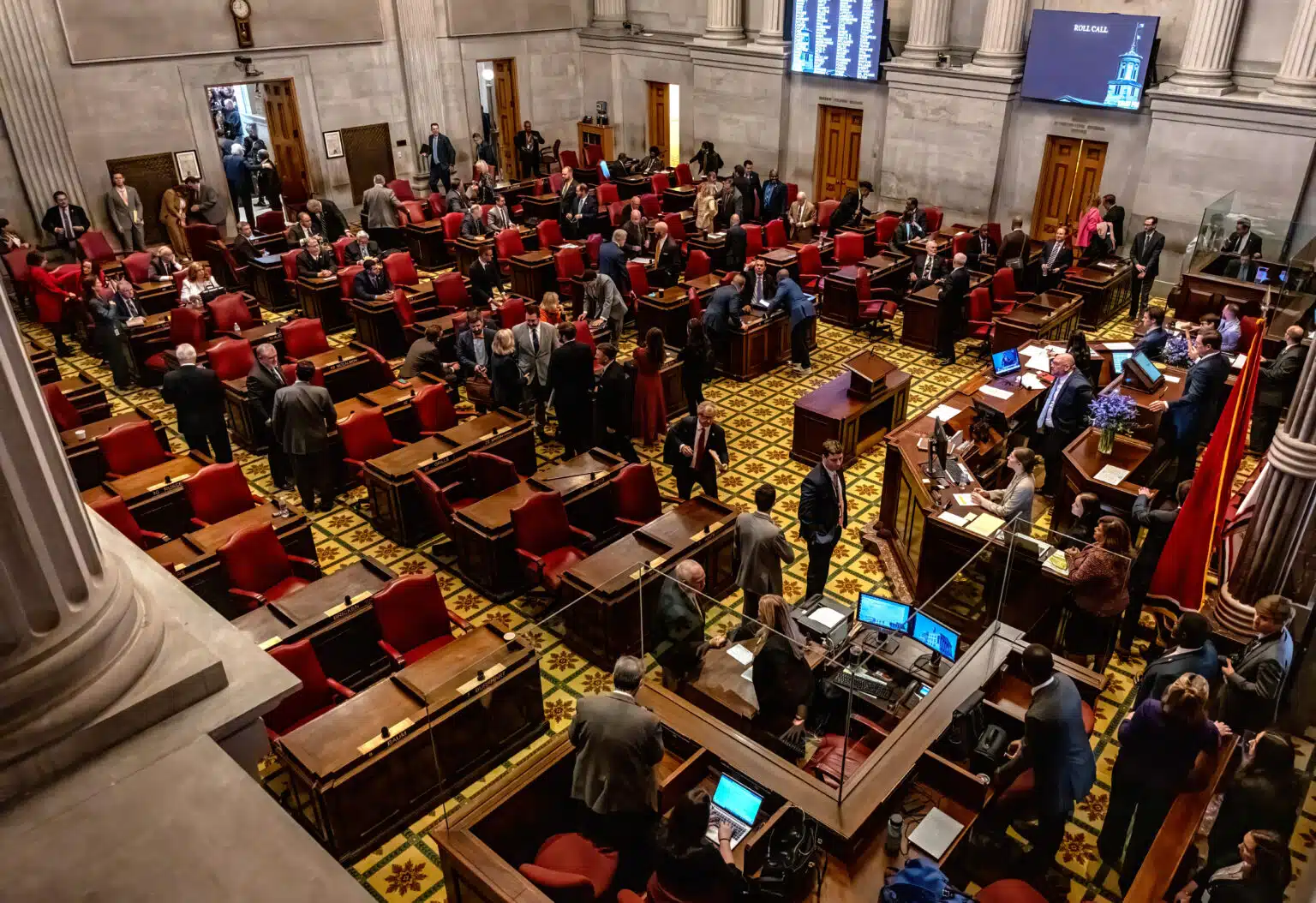
Tennessee lawmakers introduced HB 1768, a bill that would restrict interactive sports betting on public college campuses and game days, aiming to protect student-athletes and limit wagering exposure.
Tennessee legislators introduced House Bill 1768 (HB 1768) during the 114th General Assembly, a proposal to limit access to interactive sports wagering on public college campuses and at collegiate athletic events.
The bill reflects growing nationwide concern about the impact of legalized sports betting on college athletes, students, and campus environments, particularly as mobile wagering becomes more accessible.
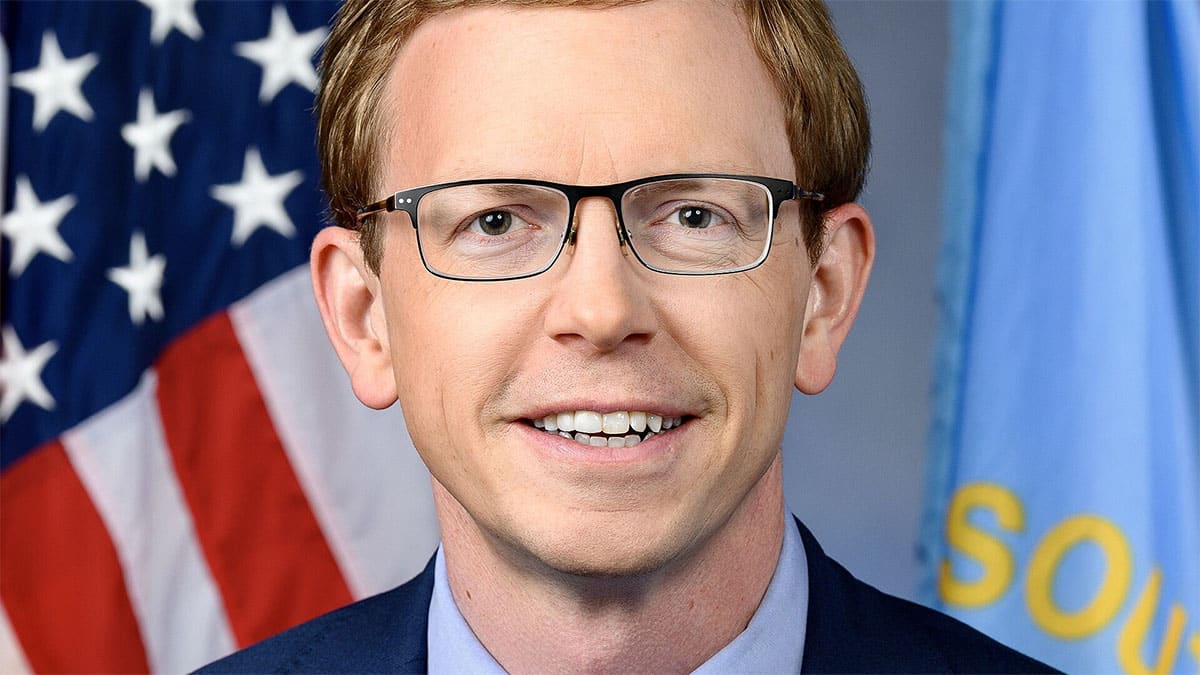
The legislation was sponsored by Representative John Clemmons (D) and formally introduced on January 20, 2026.
What HB 1768 Would Do
HB 1768 would impose several new restrictions on how and where licensed sports betting operators can offer interactive wagering in Tennessee, specifically targeting public institutions of higher education.
Campus-Based Wagering Restrictions
Under the bill, licensed sportsbooks would be required to restrict access to interactive sports wagering on the campuses of public colleges and universities.
The legislation defines “campus” broadly, including:
- Primary contiguous campus property
- Nearby facilities used for student purposes
- Athletic venues used for sanctioned collegiate sporting events, regardless of ownership
This expanded definition ensures that off-campus stadiums or shared facilities used for college sports would still fall under the wagering restrictions.
Game Day Betting Bans
A key provision of HB 1768 mandates that betting apps prohibit access to interactive sports wagering for the entire day on which a sanctioned collegiate or athletic event takes place at a covered venue.
This means:
- No mobile wagering access on campus networks
- No betting access within designated campus or event-related locations
- Restrictions apply for the full calendar day, not just during the event itself
Lawmakers argue this helps reduce the intensity of real-time betting pressure on athletes and discourages impulsive wagering tied to specific plays or performances.
Responsibilities for Public Colleges
HB 1768 places responsibility not only on sportsbooks but also on public colleges and universities themselves.
Institutions that provide internet access would be required to:
- Implement technical measures to restrict sports wagering through campus networks
- Ensure that campus Wi-Fi systems do not allow access to licensed sports betting platforms during restricted periods
This provision mirrors similar approaches used by colleges to restrict access to certain websites or services for compliance and safety reasons.
Why Lawmakers Are Taking Action
The bill aligns with a broader national trend in which lawmakers are scrutinizing how sports betting intersects with college athletics, student welfare, and game integrity.
Concerns driving the legislation include:
- Increased harassment of college athletes tied to betting outcomes
- The accessibility of mobile betting apps to students on campus
- Integrity risks posed by live wagering and player-specific betting markets
- The psychological and financial impact of gambling exposure on young adults
Rather than banning sports betting outright, HB 1768 focuses on location-based and event-based controls to reduce pressure on athletes and limit gambling in sensitive environments.
Effective Date and Current Status
- Bill Number: HB 1768
- Sponsor: Rep. John Clemmons (D)
- Status: Introduced
- Latest Action: Filed for introduction on January 20, 2026
- Effective Date: July 1, 2026 (if passed)
The bill will next be referred to committee, where lawmakers will consider testimony from regulators, universities, sportsbooks and responsible-gaming advocates.
A Targeted Approach to College Betting Oversight
Tennessee’s HB 1768 does not eliminate legal sports betting, nor does it single out college sports for a statewide wagering ban. Instead, it reflects a targeted policy approach aimed at limiting betting access where student-athletes live, study, and compete.
As more states grapple with the downstream effects of mobile wagering, bills like HB 1768 signal a shift toward environmental safeguards, regulating where and when betting can occur rather than whether it exists at all.
Whether the bill advances in the 2026 session will help determine how far Tennessee, and potentially other states, are willing to go in separating college athletics from the growing sports betting ecosystem.
Players trust our reporting due to our commitment to unbiased and professional evaluations of the iGaming sector. We track hundreds of platforms and industry updates daily to ensure our news feed and leaderboards reflect the most recent market shifts. With nearly two decades of experience within iGaming, our team provides a wealth of expert knowledge. This long-standing expertise enables us to deliver thorough, reliable news and guidance to our readers.
Latest News