DK Replay Comes Under Immediate Fire From Oregon Lottery
Oregon’s lottery approved DK Replay, DraftKings’ historical MLB betting product, then almost immediately moved to slow it down over problem gambling concerns.
DraftKings launched DK Replay on MLB opening night last week, quietly slipping out a product that lets users bet on historical plate appearances from real games while Polymarket’s $300 million MLB deal absorbed most of the industry’s attention. It did not stay quiet for long.
The Oregon State Lottery, which regulates sports betting in the state and is DraftKings’ exclusive partner there, confirmed it has received complaints about the product’s countdown timer and is working with DraftKings to adjust the mechanics this week.
The core concern is that the timer’s pace and the sense of urgency it inspires increase the risk of problematic gambling behavior. For a product that had been approved and launched in the same regulatory breath, that is a remarkably fast reversal.
What DK Replay Actually Is
One quirk of American law is that betting on a randomized result is considered gambling, but betting blindly on a historical event may, depending on the jurisdiction, count as sports betting or parimutuel wagering. Historical horse racing (HHR) machines are the most common example, operating legally in several states, such as Kentucky and New Hampshire.
DraftKings’ twist on the concept works like this: users are presented with a historical MLB plate appearance drawn from a library of hundreds of thousands of real at-bats. The pitcher and batter are anonymized, identified only by a bronze, silver, or gold rating based on underlying performance metrics. The bettor then attempts to predict whether the next pitch will result in a ball, a strike, or a ball in play. The odds reflect the actual historical probabilities of that specific at-bat. Then the outcome is revealed, along with the identities of the players involved.
The problematic countdown timer begins once the user is presented with the at-bat, encouraging them to make their selection quickly.
HHR machines are often criticized as slots in disguise, and DK Replay may end up facing similar pushback. The Oregon State Lottery has defended its approval to reporters from Sportico, arguing that DK Replay does not rely on a random number generator, instead drawing from a queue of hundreds of thousands of betting markets previously offered on the DraftKings Sportsbook. “Players are wagering on baseball, and they are watching baseball to determine the outcome of a win,” the lottery’s spokesperson wrote.
Similar arguments have produced mixed results for the HHR and “skill games” industries. Whether that logic will hold up for DraftKings remains to be seen. Meanwhile, the speed of the lottery’s own intervention suggests there is some remaining ambivalence even with the regulator.
Oregon Has Precedence With This Type of Issue
What makes the DK Replay situation particularly interesting is that another Oregon regulator has already tried authorizing an HHR product, and that effort proved short-lived.
Typical HHR machines are a land-based phenomenon, hosted at racetracks. An app called Luckii was, briefly, the only legal online historical horse racing product in the United States, licensed by the Oregon Racing Commission as an Advanced Deposit Wagering platform. A portion of its revenues would have gone to support the state’s struggling horse racing industry.
Luckii launched in December 2020, but the Oregon Racing Commission’s decision to approve it shocked officials at the Oregon Lottery, the Oregon Department of Justice, the Oregon State Police, and several tribal gaming interests. The legislature responded by passing SB 165 in 2021, which prohibited online historical horse racing outright, and Luckii shut down.
It is difficult to believe that DraftKings chose Oregon as the launch state for DK Replay without awareness of that history. The more plausible read is that Oregon’s regulatory framework, particularly the Oregon Racing Commission’s prior willingness to license historical-data-based gaming products, created the precedent that made the state an attractive testing ground.
The lottery’s approval of DK Replay follows the same basic logic the racing commission applied to Luckii: outcomes derived from historical sporting events are not casino games. Oregon had already established that the argument could work. DraftKings simply applied it to baseball.
The fact that DK Replay looks like baseball may help its case. Part of the issue with HHR is that, regardless of what’s happening under the hood, the games present the results to the user in the form of slots-like spinning reels.
A Pattern Taking Shape in Oregon
As we noted when DK Replay first launched, DraftKings is not the only operator moving in this direction, and the underlying logic is the same across these products.
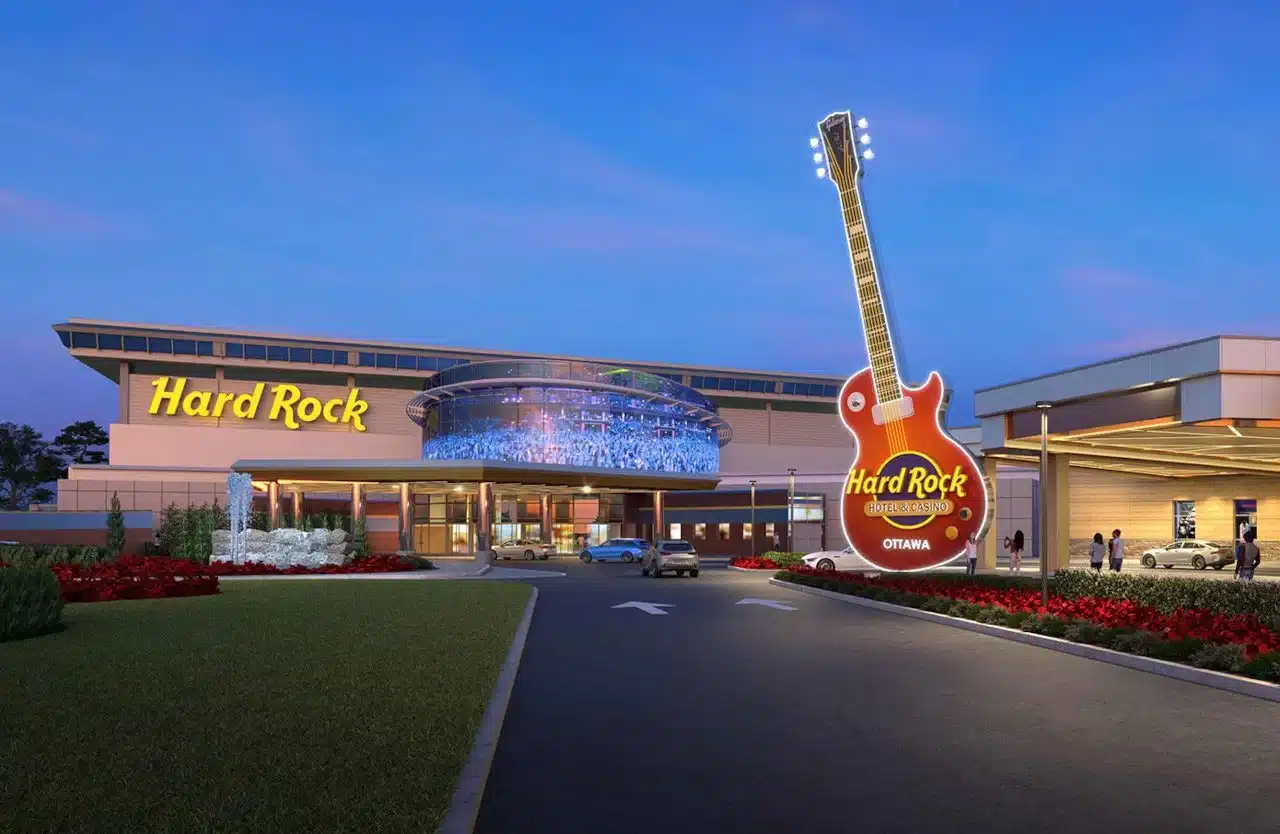
Last year in Florida, Hard Rock Bet rolled out historic motorsports betting inside its sports betting app, with the Seminole Tribe arguing that motor races fell outside federal parimutuel law. None of those products has faced formal legal challenges yet.
The common thread is that iGaming remains legal in only eight states, none of them on the West Coast, and the expansion push has stalled. Operators have every incentive to find products that deliver casino-style engagement within a sports-betting regulatory framework. A pitch-by-pitch baseball betting loop that runs 24 hours a day, drawing from a library of hundreds of thousands of historical at-bats, achieves exactly that, whatever the Oregon Lottery says about random number generators.
DraftKings has said it is considering bringing DK Replay to additional states pending regulatory approval. Given that its stock has dropped nearly 40% year-to-date as investors price in the threat from prediction markets, the pressure to find new revenue streams is real.
The question regulators in those additional states will have to answer is the same one the Oregon Lottery is now quietly wrestling with: at what point does a sports betting product become a casino game in everything but name?
The Luckii episode suggests that Oregon’s legislature has answered that question before. It may be about to answer it again.
Players trust our reporting due to our commitment to unbiased and professional evaluations of the iGaming sector. We track hundreds of platforms and industry updates daily to ensure our news feed and leaderboards reflect the most recent market shifts. With nearly two decades of experience within iGaming, our team provides a wealth of expert knowledge. This long-standing expertise enables us to deliver thorough, reliable news and guidance to our readers.
Latest News