

Wynn Resorts agrees to pay $130m forfeiture
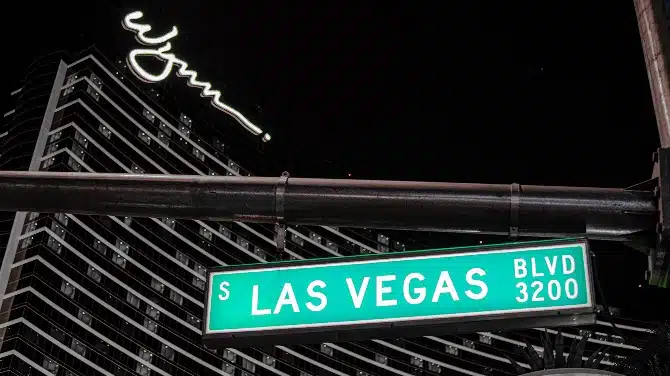
The operator admitted it had allowed illegal funds to reach gamblers at its Vegas Strip location.
Wynn Resorts has reached a non-prosecution settlement with federal authorities and has agreed to pay $130m.
The company also agreed to admit that it “let unlicensed money transfer businesses around the world funnel funds to gamblers at its flagship Las Vegas Strip property.”
The US Justice Department noted that the total Wynn agreed to pay represents “funds involved in the transactions at issue.”
Wynn issued statements to both the federal Securities and Exchange Commission and to the media, clarifying that “the forfeiture wasn’t a fine and findings in the decade-long case didn’t amount to money laundering.”
Wynn Resorts told the Associated Press that the company has cut ties with businesses and people involved in what the government referred to as overseas “convoluted transactions.”
The company went on to add in a statement, “Several former employees facilitated the use of unlicensed money transmitting businesses, which both violated our internal policies and the law and for which we take responsibility.”
During the past few years, the casino company has had its share of legal issues. Its former CEO, Steve Wynn, resigned from his executive role following legal issues related to sexual misconduct allegations.
The company was issued a $20m fine by the Nevada Gaming Commission for “failing to investigate claims of sexual misconduct made against Wynn before he resigned.”
Massachusetts regulators fined Wynn and the company $35.5m for “failing to disclose while applying for a license for a Boston-area resort that there had been sexual misconduct allegations against Wynn.”
Buchalter Attorney and former federal prosecutor Daniel Silva, who led the investigation while at the US Attorney’s Office, told Gaming America:
“The criminal penalty paid by Wynn is the largest criminal penalty in the history of the Department of Justice for a casino. The criminal conduct involved third-party businesses, agents and related entities in the United States, Latin America and Asia. These third parties acted as separate, unlicensed financial institutions – known as ‘money transmitting businesses.’ Through the use of these money-transmitting businesses, gamblers at Wynn (and Wynn itself) were able to evade foreign and US laws governing monetary transfer and reporting.
“These transfers were extremely sophisticated, allowing for international underground banking transfers that concealed the true ownership, nature and source of the funds, which is contrary to the transparency intended by America’s anti-money laundering legal regime – known as the ‘Bank Secrecy Act.'”
Players trust our reporting due to our commitment to unbiased and professional evaluations of the iGaming sector. We track hundreds of platforms and industry updates daily to ensure our news feed and leaderboards reflect the most recent market shifts. With nearly two decades of experience within iGaming, our team provides a wealth of expert knowledge. This long-standing expertise enables us to deliver thorough, reliable news and guidance to our readers.
Latest News