Cormier-Trump Screenshot Dispute Rekindles Debate About UFC Betting Integrity

Daniel Cormier (Credit: X2o via Wikimedia Commons)
For about 15 minutes yesterday, a post appeared on former UFC fighter Daniel Cormier’s X account, featuring screenshots appearing to show a private conversation with Eric Trump about whether any of the fights would be rigged.
Immediately thereafter, Cormier began to express incredulity that anyone would believe the conversation was genuine. Asked about the post by video journalist Nicholas Ballasy, Cormier denied having made it, speculating that he was “hacked or something.”
The post appeared on Sunday evening, hours before UFC Freedom 250 began on the White House South Lawn. It contained screenshots of an alleged private message exchange in which Eric Trump asked the former two-division champion and current UFC broadcaster a series of questions about the card: which fighters were injured, which fights he thought were winnable, and, finally, whether any of the bouts were rigged. Cormier’s post included a statement saying he refused to stay silent about insider behavior. Almost as soon as it began to go viral, the post disappeared.
Multiple witnesses confirmed the post was real and captured screenshots before it disappeared. Cormier’s only follow-up was a single line: “Are people really this dumb?” He did not clarify what the question was directed at, whether the screenshots were authentic, or why the original post had been removed.
Eric Trump denied the exchange outright, calling the screenshots fake and AI-generated, stating he had never spoken to Cormier, and suggesting that Cormier’s deletion of the original post confirmed the screenshots were fabricated. The Trump Organization’s communications director echoed that position. Neither side has produced platform data. The authenticity of the exchange remains unresolved.
That is where the factual record stops. What the episode reveals, regardless of where the authentication question ultimately lands, is worth examining on its own terms.
The UFC Was Battling an Integrity Issue Well Before Sunday Night
The dispute arose at a time when betting integrity has become an increasingly sensitive issue for major sports leagues, including the UFC, with recent reports covering canceled bouts linked to suspicious wagering activity, investigations into unusual betting patterns, and public discussion of allegations of match-fixing. Sunday’s controversy did not create that environment. It landed in the middle of one that had been building for some time.
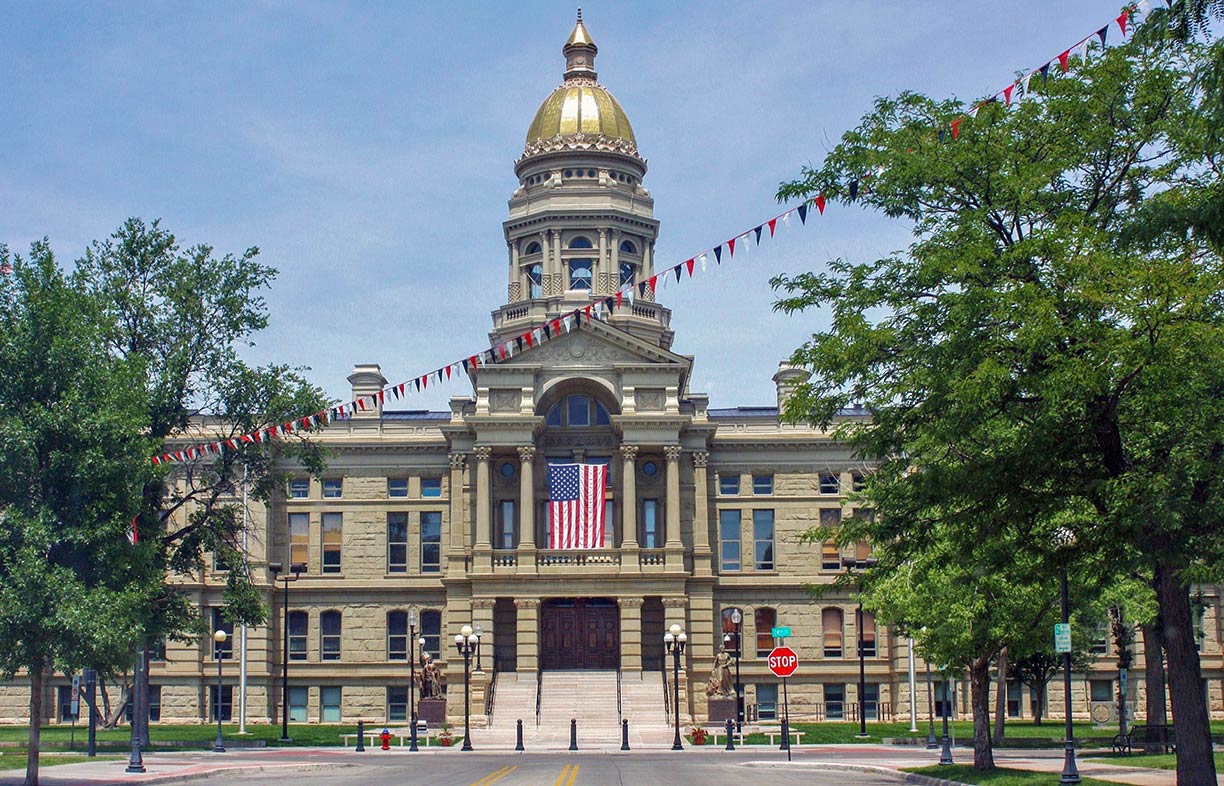
The UFC Freedom 250 card was an extremely high-profile event even by the organization’s standards. Held on the White House South Lawn as part of celebrations tied to President Trump’s 80th birthday and America’s 250th anniversary, the card carried political symbolism that most fight nights do not. UFC representatives were caught off guard by the controversy when it broke, which is understandable given the venue and the timing.
What makes the episode particularly uncomfortable for the sport’s integrity framework is the alleged exchange’s specific nature, if authentic. The alleged messages did not describe insider trading in the abstract. They described a person with access to the event asking an official broadcaster about injury information and fight outcomes before wagering. That is a fairly precise description of the conduct that sports integrity monitoring systems are designed to detect and prevent. Whether those specific messages are real or not, the fact that the scenario was immediately plausible to a significant portion of the audience watching it unfold says something about where trust in the sport currently stands.
Prediction Markets’ Political Ties Complicate Matters
What distinguishes this episode from a typical UFC betting controversy is the specific political context it sits in. Trump family members have documented financial involvement in the prediction market platforms that now offer contracts on UFC outcomes. Donald Trump Jr. is listed as a strategic advisor to Kalshi and has invested in Polymarket through his venture capital firm. Those platforms carried live markets for UFC Freedom 250 bouts while the event was held on White House grounds at a Trump family celebration.
That web of relationships does not establish wrongdoing by anyone. It does create a set of overlapping interests that would be difficult to fully untangle even under the best circumstances, and it means that allegations of insider behavior involving the Trump family and UFC betting will land differently than they would in a more politically neutral context. The audience processing Sunday’s screenshots already had opinions about the people involved. That is not a condition under which allegations are evaluated calmly or carefully.
The broader pattern is worth naming in the context of insider trading on prediction market platforms. We have covered, in recent months, the Santos case on Kalshi, the platform’s subsequent compliance buildout, including employment verification for traders in sensitive markets, and the CFTC’s stated position that insider trading on prediction markets is its top enforcement priority. Each of those stories involves the same structural tension: prediction markets and the political figures surrounding them occupy the same space, and the resulting conflicts of interest are not theoretical.
More Questions Than Answers
The specific questions nobody has answered publicly are straightforward. Cormier has not said whether the screenshots were authentic or fabricated. He has not explained why he posted them and then removed them. “Are people really this dumb?” could mean almost anything, and he has not clarified what it means.
Eric Trump has said the screenshots are AI-generated fakes but has not provided platform data, metadata, or any technical evidence to support that characterization beyond the assertion itself. Neither side has produced concrete evidence, so the authenticity of the exchange remains publicly unresolved.
The unfortunate reality is that those gaps may never close. Social media controversies of this type frequently end not with resolution but with the news cycle moving on, leaving an unverified story embedded in the public record. That is a particularly uncomfortable outcome for a sport with an existing integrity problem, an active prediction-market ecosystem built around its outcomes, and a political entanglement that makes clean answers harder to reach.
The screenshots may be fabricated, and the exchange may never have happened. Regardless, the episode demonstrates that the UFC’s betting-integrity environment is fragile enough that a 15-minute post on an insider’s social media account can trigger a credibility crisis before a single punch has been thrown. That fragility existed before Sunday, and it will continue well after.
Image Credit: X2o via Wikimedia Commons (license)
Players trust our reporting due to our commitment to unbiased and professional evaluations of the iGaming sector. We track hundreds of platforms and industry updates daily to ensure our news feed and leaderboards reflect the most recent market shifts. With nearly two decades of experience within iGaming, our team provides a wealth of expert knowledge. This long-standing expertise enables us to deliver thorough, reliable news and guidance to our readers.
Latest News