Federal Judge Refuses to Block Arizona’s Criminal Case Against Kalshi
A federal judge in Phoenix has refused to block Arizona from pursuing criminal charges against Kalshi.
U.S. District Judge Michael Liburdi issued his ruling late Wednesday, acknowledging a genuine legal conflict over which regulatory framework governs prediction markets but declining to halt the state prosecution while that question is resolved.
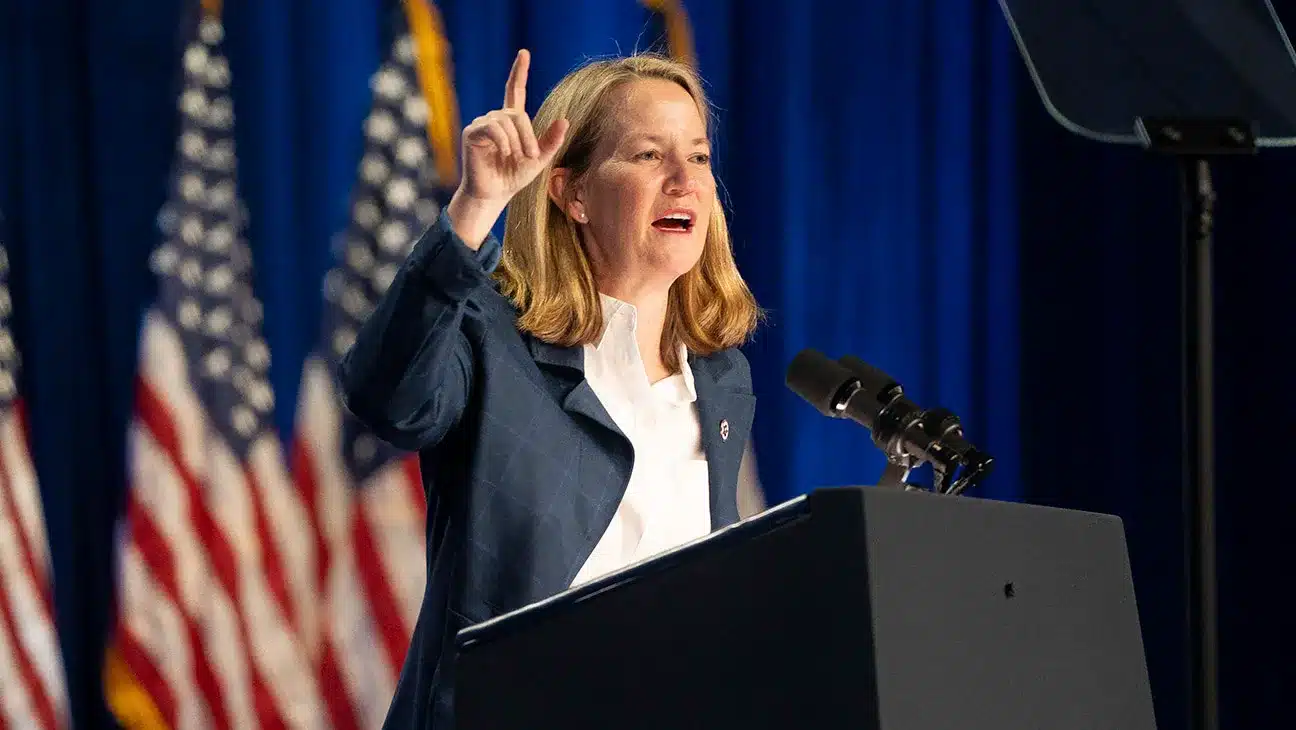
The decision allows Arizona Attorney General Kris Mayes to move forward with the most serious state action taken against a prediction market platform anywhere in the country.
The Background and Broader Context in Arizona
Arizona filed 20 misdemeanor charges against Kalshi on March 17, becoming the first state to pursue criminal prosecution against a prediction market operator. The charges were filed in Maricopa County Superior Court and accuse Kalshi of operating an unlicensed wagering business in violation of Arizona law.
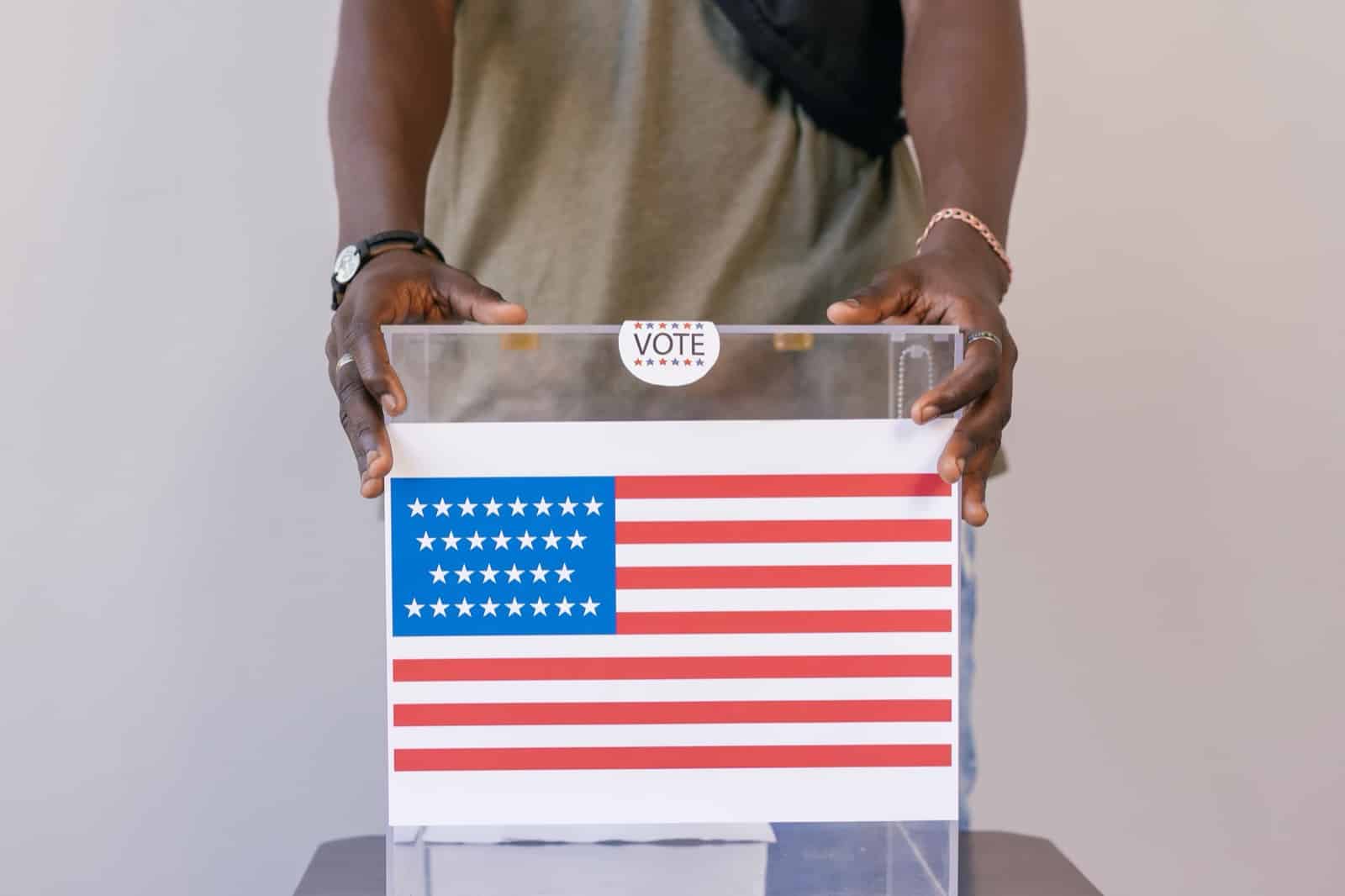
The 20-count criminal information covers a wide range of Kalshi’s activity. Sixteen counts allege unlawful betting and wagering on professional sports, college athletics, and individual player performance. Four counts specifically address election wagering, covering contracts tied to the 2028 presidential race, the 2026 Arizona gubernatorial race, the 2026 Arizona Republican gubernatorial primary, and the 2026 Arizona Secretary of State race.
Arizona law prohibits betting on elections outright. Potential penalties reach $20,000 per sports wager count and $10,000 per election wager count, for a total maximum exposure of $400,000.
The charges came five days after Kalshi preemptively sued Arizona in federal court seeking to block any state enforcement action. Judge Liburdi denied Kalshi’s request for a temporary restraining order on March 16. Mayes filed the criminal charges the following day.
What the Judge Decided
In his Wednesday ruling, Liburdi acknowledged that the jurisdictional conflict between Kalshi and Arizona is a genuine legal question. Kalshi’s attorneys argued that its activities are governed exclusively by the CFTC and that federal law preempts Arizona’s attempt to regulate a federally licensed designated contract market. The judge did not resolve that question on the merits.
What he did find was that he is limited in his authority to block an ongoing state criminal proceeding. Kalshi had argued it was not seeking to stop its arraignment but only to bar prosecutors from the case. Liburdi rejected that distinction. He also declined to block future enforcement, finding no evidence beyond the current charges that additional enforcement was imminent.
A New Federal Front
The ruling comes as the US Department of Justice and the CFTC filed a motion in the same federal court seeking to block Arizona’s criminal case on federal preemption grounds. The Trump administration has taken an aggressive posture in support of prediction markets across multiple jurisdictions, filing suit against Arizona, Connecticut, and Illinois to prevent state enforcement.
CFTC Chair Michael Selig called Arizona’s criminal prosecution “entirely inappropriate” and described the dispute as a jurisdictional matter rather than a legitimate law enforcement action.
Kalshi’s initial appearance in the Arizona criminal case is scheduled for April 13. The question of whether the federal court should abstain from the case while state proceedings continue, known as Younger abstention, remains unresolved. If the court applies that doctrine and steps aside, Kalshi would be left to fight the charges in Maricopa County Superior Court without federal intervention.
The Broader Legal Landscape
Arizona’s criminal prosecution sits within a much larger legal map. Kalshi faces active litigation in roughly 20 proceedings across at least 14 states. Courts have divided sharply. The Third Circuit Court of Appeals ruled this week in Kalshi’s favor in New Jersey, finding federal law likely preempts state gambling enforcement against a CFTC-licensed exchange. Courts in Maryland and Ohio denied Kalshi preliminary injunctions on the same question. Nevada obtained a temporary restraining order and extended it. Massachusetts issued an injunction that is currently on hold pending appeal.
The split between the Third Circuit’s New Jersey ruling and the rulings in Maryland and other jurisdictions creates exactly the kind of conflict that pushes cases toward the Supreme Court. How quickly that path develops depends, in part, on how the Arizona criminal case proceeds and on whether federal intervention through the DOJ and CFTC alters the trajectory of state enforcement more broadly.
Players trust our reporting due to our commitment to unbiased and professional evaluations of the iGaming sector. We track hundreds of platforms and industry updates daily to ensure our news feed and leaderboards reflect the most recent market shifts. With nearly two decades of experience within iGaming, our team provides a wealth of expert knowledge. This long-standing expertise enables us to deliver thorough, reliable news and guidance to our readers.
Latest News