Wisconsin Sports Betting Bill Passes, but Key Questions Remain for Operators
Wisconsin’s hub-and-spoke sports betting bill awaits Governor Evers’ signature, but tribal revenue share requirements may push major operators toward prediction markets instead.
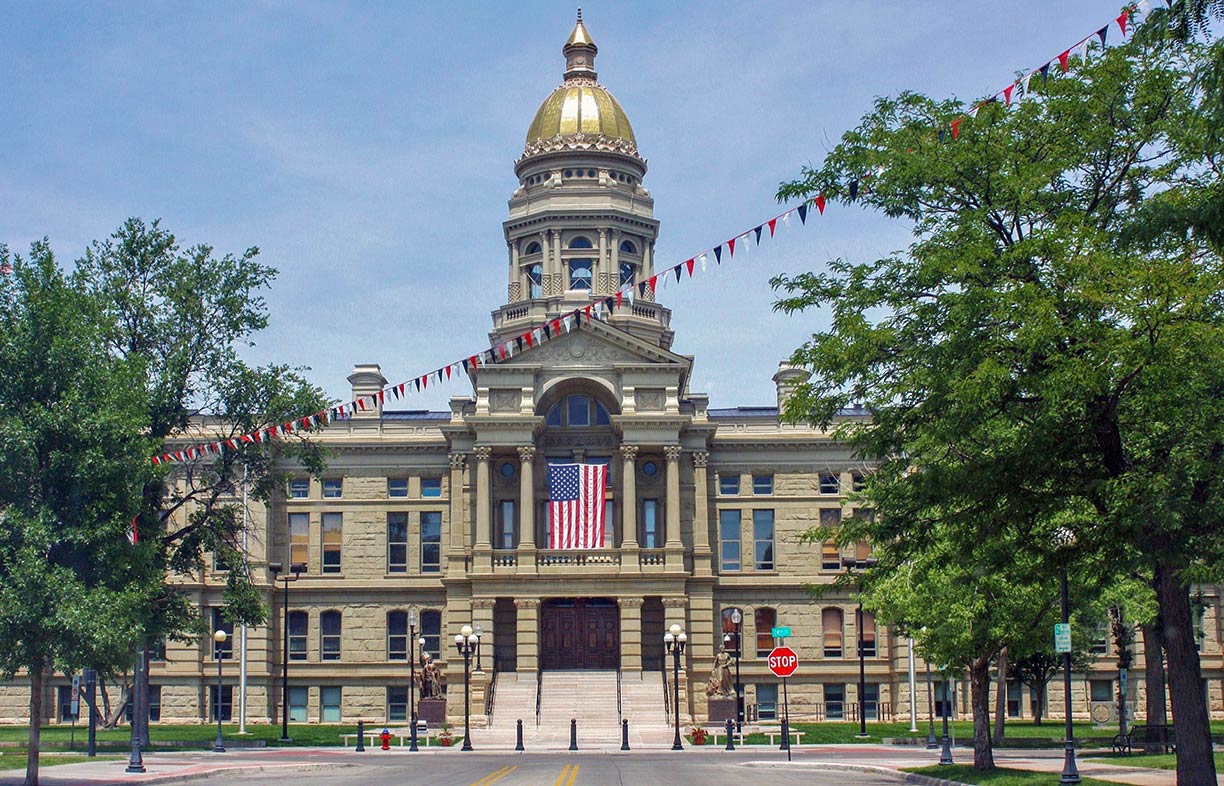
Wisconsin has passed a statewide sports betting bill.
Assembly Bill 601 now sits on Governor Tony Evers’ desk. He has six days, excluding Sundays, to sign it, veto it, or allow it to become law without his signature. Tribal leaders have been working to get sports betting legislation passed in Wisconsin, and they’ve just leaped a massive hurdle.
But the bigger question is not whether it becomes law. It is whether the nation’s largest sportsbook operators will bother entering Wisconsin once it does.
How the Hub-and-Spoke Model Works
Wisconsin’s bill adopts the hub-and-spoke framework. It is the same model Florida used when the Seminole Tribe gained approval to operate statewide sports betting. The model survived a lengthy legal challenge and is now the benchmark for tribal-led online wagering.
Under hub-and-spoke, any eligible adult in the state can download a sports betting app and place a wager. The operator processes that wager on servers located on tribal land. That keeps the transaction within the bounds of federally regulated tribal gaming under the Indian Gaming Regulatory Act of 1988.
The key requirement under IGRA is that the tribe must be the primary beneficiary of the operation. Reports indicate Wisconsin tribes would receive at least 60% of sports betting revenue. In Florida, the arrangement requires any non-Seminole operator to give the tribe a 40% cut. Wisconsin’s threshold is higher.
Why Major Operators May Stay Away
Sixty percent is a significant share. Sports betting is already a lower-margin business than casino gaming. DraftKings and FanDuel have improved their margins through same-game parlays and other products, but the underlying economics of the category are thinner than table games or slots.
At that revenue split, national operators have a real decision to make. Entering Wisconsin would mean accepting a substantial share going to tribal partners before any expenses are accounted for. That math may simply not work for companies built around nationwide scale and promotional spending.
The more likely scenario, if major brands pass, is that Wisconsin tribes partner with platform providers like Kambi. Those companies can deliver a functional sports betting product. The range of markets and wager types would be broadly similar to what major brands offer.
The one significant gap would be promotions. Tribal-operated or B2B-operated books are unlikely to match the bonus and promotional volume that FanDuel and DraftKings routinely deploy in states where they operate directly.
Prediction Markets as an Alternative Path
There is a newer option on the table. In 2026, DraftKings, FanDuel, and Fanatics have all launched prediction market platforms. These operate under federal CFTC oversight rather than state gambling law. They do not require tribal compacts or revenue sharing agreements.
Currently, DraftKings and FanDuel have kept sports-specific prediction market contracts out of Wisconsin. But that restriction could change. The legal landscape is still being contested in courts across the country, including in Wisconsin itself. The Ho-Chunk Nation has filed suit against Kalshi and Robinhood over their prediction market activity in the state.
The outcome of those cases is uncertain. However, if the federal framework holds and prediction markets can legally offer sports contracts nationwide, Wisconsin could become a market where operators choose that path over the traditional sports betting route. They would avoid the tribal revenue share entirely.
What Happens Next
If Evers signs the bill or allows it to pass without action, Wisconsin would join the growing list of states with legal sports betting. The framework would be in place. Whether national brands choose to participate is a separate question.
If he vetoes it, lawmakers would need two-thirds majorities in both chambers to override. That is a high bar. A veto would likely push the issue back to the next legislative session. In the meantime, prediction market platforms would continue operating in the state regardless of what happens to AB 601.
Players trust our reporting due to our commitment to unbiased and professional evaluations of the iGaming sector. We track hundreds of platforms and industry updates daily to ensure our news feed and leaderboards reflect the most recent market shifts. With nearly two decades of experience within iGaming, our team provides a wealth of expert knowledge. This long-standing expertise enables us to deliver thorough, reliable news and guidance to our readers.
Latest News