Kentucky Gambling Bill Could Force FanDuel, DraftKings, and Fanatics Out of State
Kentucky’s HB 904 advanced unanimously, but its prediction market affiliation ban has alarmed FanDuel, DraftKings, and Fanatics
A wide-ranging Kentucky gambling bill is moving through the legislature. It passed a House committee 19-0. But one provision has alarmed the state’s biggest sportsbooks.
The bill could force FanDuel, DraftKings, and Fanatics to choose between their Kentucky licenses and their prediction market platforms. In a state where horse racing is so big, it’s easy to see why prediction markets want a piece, but that may be tougher in the coming months.
Kentucky House Bill 904 was introduced by Reps. Michael Meredith and Matthew Koch. A proposed substitute version cleared the House Licensing, Occupations and Administrative Regulations Committee on March 11. It now heads to the full House floor.
What the Bill Does
HB 904 covers a lot of ground. It would raise the minimum age for sports betting and gaming from 18 to 21. It bans prop bets on individual Kentucky college athletes. The bill introduces fixed-odds wagering for the first time in the state. It also creates a purse stabilization fund for horse racing and raises the charitable gaming prize limit from $599 to $1,499.
A companion bill, HB 757, would establish a formal taxation and licensing framework for daily fantasy sports. It would also tax prediction markets at 17.25%.
The most controversial element, however, is Section 25 of the substitute bill. That section would bar any entity holding a Kentucky horse racing, sports wagering, or fantasy contest license from partnering with, affiliating with, or having a beneficial interest in a prediction market platform.
Why FanDuel, DraftKings, and Fanatics Are Concerned
Kentucky’s sports betting market is built around racetracks. Tracks hold the licenses. Operators like FanDuel, DraftKings, and Fanatics partner with those tracks to offer mobile sports betting statewide. Under the bill’s language, those same operators could not also operate or affiliate with prediction market platforms.
The problem is that all three now run prediction market products in other states. FanDuel operates FanDuel Predicts. DraftKings runs DraftKings Predictions and has announced plans for a “super app” combining sports betting and prediction markets in a single platform. Fanatics operates Fanatics Markets. If HB 904 becomes law as written, each of these operators would need to sever those affiliations or surrender their Kentucky licenses.
Meredith acknowledged the state’s limited authority. He said federal law restricts Kentucky’s ability to regulate prediction markets directly. The affiliation ban is the workaround. It does not ban prediction markets outright. It simply makes it impossible for licensed Kentucky operators to maintain ties to those platforms.
Rep. Koch described prediction markets in stronger terms. He said they are “absolutely cannibalizing” other forms of gambling, a view shared by many in Kentucky’s horse racing industry.
The Horse Racing Angle
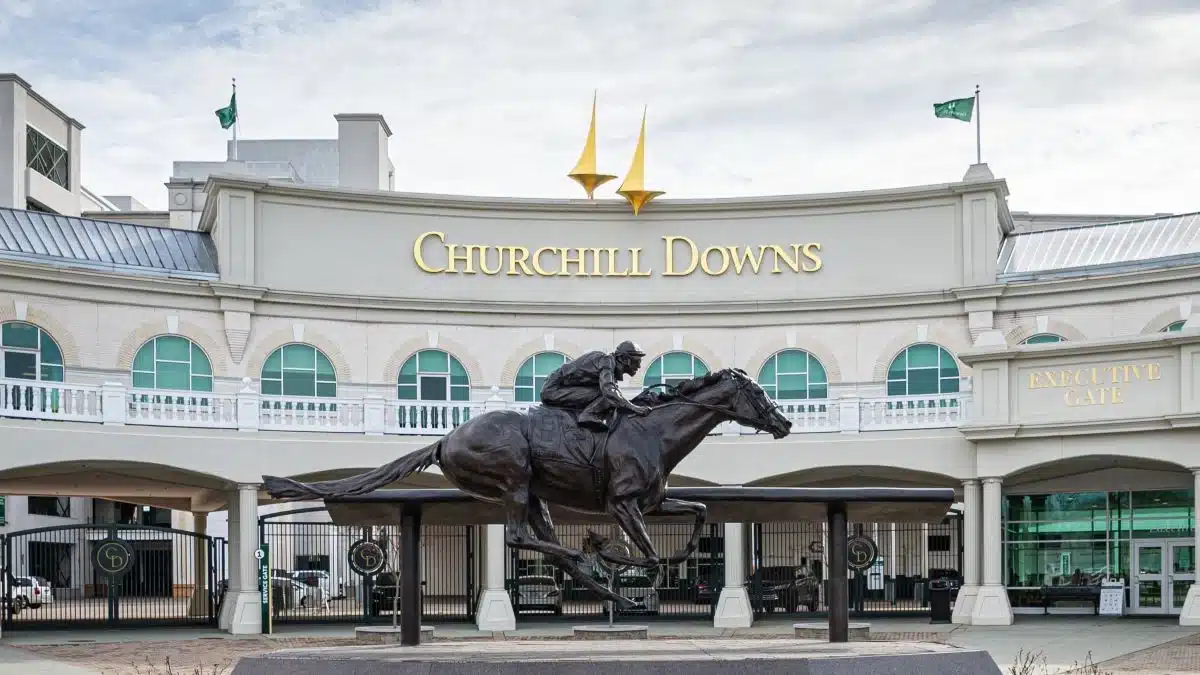
Kentucky is the home of the Kentucky Derby. Horse racing is central to the state’s identity and economy. That context shapes the bill’s priorities. Fixed-odds wagering, which the bill also introduces, has been offered in other countries for decades.
Monmouth Park in New Jersey debuted it in the US in 2022. West Virginia and Colorado followed. Kentucky would become the fourth state to offer it if the bill passes.
The prediction market provisions reflect anxiety in horse racing circles about where betting dollars are going. The concern is straightforward. If bettors can trade event contracts on sports outcomes through a nationally accessible platform, they may spend less at the track.
What Comes Next
The bill moved to the full House floor as of March 12. A floor vote was possible as early as March 13. If it passes the House, it would move to the Senate. The legislative session in Kentucky runs through mid-April.
The fate of Section 25 is the key variable. Operators are likely to push for its removal or modification before a final vote. The rest of the bill has broad support. The prediction market provision remains its most contested piece.
Players trust our reporting due to our commitment to unbiased and professional evaluations of the iGaming sector. We track hundreds of platforms and industry updates daily to ensure our news feed and leaderboards reflect the most recent market shifts. With nearly two decades of experience within iGaming, our team provides a wealth of expert knowledge. This long-standing expertise enables us to deliver thorough, reliable news and guidance to our readers.
Latest News