Mick Mulvaney Is Leading the Charge to Regulate Sports Event Contracts in Prediction Markets
Key Highlights:
- Mulvaney leads new coalition targeting sports event contracts.
- Prediction markets accused of bypassing state gambling regulations.
- Consumer protections and tax revenues are at risk.
- Legal battles likely to reach the Supreme Court.
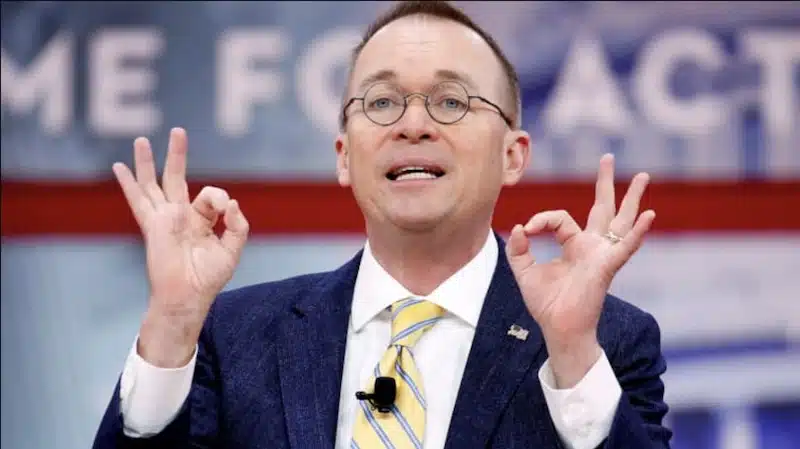
Mick Mulvaney is a self-described gambling advocate and now leads the effort to force sports event contract platforms to follow state gambling laws. His fight is gaining momentum by the week.
Mulvaney wants that on record: he is not anti-gambling. “You’re talking to the only former member of Congress who’s won a poker tournament in Las Vegas,” he told WIRED. He previously pushed for sports betting legalization in South Carolina and describes himself as a “big pro-gambling guy.”
His new role is striking. Mulvaney has been named executive director of Gambling Is Not Investing, a coalition launched on March 2 with the sole mission of making prediction market platforms such as Kalshi and Polymarket comply with state gambling laws.
“If it looks like a sports bet, if it sounds like a sports bet, if it pays off like a sports bet, if it’s on a sporting event, it is a sports bet,” he told WIRED.
What the Coalition Is Arguing
Gambling Is Not Investing launched with founding members including Consumer Action for a Strong Economy, the Hispanic Leadership Fund, Moms for America, and Frontiers of Freedom.
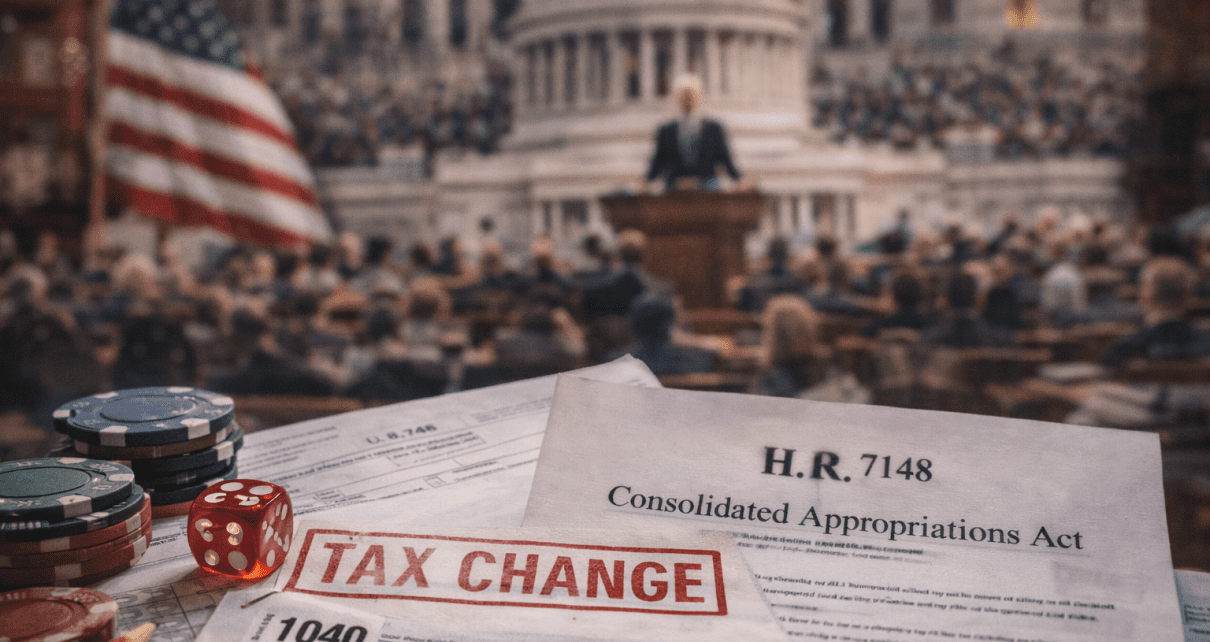
The coalition’s argument is simple. Prediction market platforms are offering sports event contracts that function like sports bets but avoid state regulatory frameworks and the consumer protections and tax revenues they provide by classifying their products as federally regulated derivatives.
“Gambling products, regardless of what you call them, must follow established state and tribal laws,” Mulvaney said. “Rebranding sports wagering as ‘trading’ or ‘investing’ misleads consumers, undermines responsible gaming protections, and weakens the systems built to protect the public.”
Mulvaney is open about his strategy. “This is a PR campaign, not a legal campaign,” he told Front Office Sports. “We’re trying to win the hearts and minds of lawmakers, regulators, and voters.”
Clash with the Trump Administration
Mulvaney’s campaign places him in conflict with both the Trump administration’s regulatory stance and its financial interests. Donald Trump Jr. is an investor in Polymarket and an advisor to Kalshi. Truth Social has announced plans to launch its own prediction market.
CFTC Chairman Brian Selig, confirmed in December 2025, has made defending prediction markets a central part of his tenure. In February, Selig filed an amicus brief in the Ninth Circuit asserting the CFTC’s exclusive jurisdiction. “To those who seek to challenge our authority in this space, let me be clear: we will see you in court,” he said.
Mulvaney’s response is clear: “The CFTC is not set up for this. They are not set up to protect consumers. They are set up to protect markets.”
He declined to comment on the Trump family angle. A person familiar with the matter said both sides have a quiet understanding not to publicly attack each other.
A Consumer Protection Gap
Mulvaney’s argument resonates because it highlights a real consumer protection gap.
Prediction market monthly volume surged from under $100 million in early 2024 to over $13 billion by November 2025, according to Keyrock and Dune research.
This growth has largely occurred without safeguards that licensed sportsbooks must maintain, such as age verification, responsible gambling tools, advertising restrictions, and insider trading prohibitions. Polymarket’s founder told 60 Minutes that insider trading on the platform is “an inevitability” and, in his view, a positive.
The National Council on Problem Gambling addressed the gap in February, passing a resolution urging prediction market platforms to promote the National Problem Gambling Helpline. Trading on event outcomes carries addiction risks similar to conventional gambling.
New Jersey Senate President Pro Tempore Shirley K. Turner introduced legislation to require sports-event prediction markets to operate under the state’s sports betting laws, citing the uneven playing field and consumer exposure.
Confusing Legal Landscape
Courts have reached conflicting conclusions. Nevada ruled that state authorities were correct, Tennessee sided with Kalshi, and Massachusetts granted an injunction that an appellate court quickly stayed.
Over 30 states and Washington D.C. have filed amicus briefs supporting state authority. Legal analysts say the Supreme Court will likely decide the matter, though a ruling may not come until 2027 or later.
This leaves the licensed sports betting industry, which has paid billions in taxes and compliance costs, in a difficult position. Prediction markets are now accused of bypassing the regulatory framework that licensed sportsbooks built.
Whether Mulvaney’s poker instincts are sharp enough to navigate this fight remains the central question of 2026’s biggest regulatory battle.
Players trust our reporting due to our commitment to unbiased and professional evaluations of the iGaming sector. We track hundreds of platforms and industry updates daily to ensure our news feed and leaderboards reflect the most recent market shifts. With nearly two decades of experience within iGaming, our team provides a wealth of expert knowledge. This long-standing expertise enables us to deliver thorough, reliable news and guidance to our readers.
Latest News