Florida Senate files major gambling bill, S 1164 restricting internet wagering, revises gaming laws
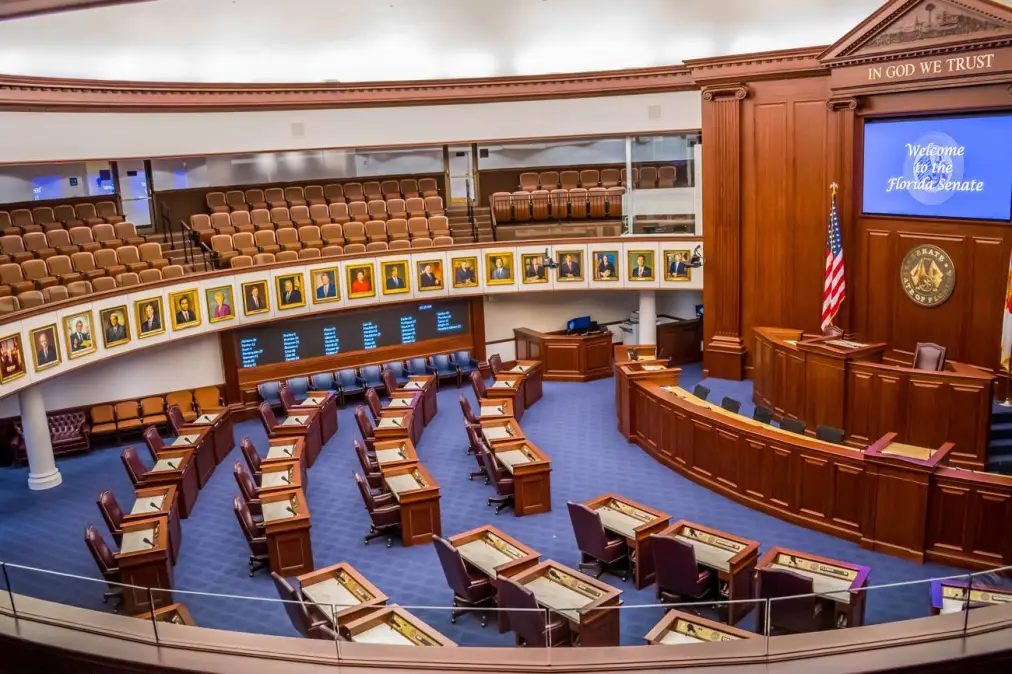
Florida lawmakers filed Senate Bill 1164, a broad gambling reform proposal that would ban internet gaming and sports wagering, tighten regulatory control, and preempt local gaming ordinances statewide.
Florida lawmakers have filed Senate Bill 1164 (S 1164) for the 2026 legislative session, a sweeping gambling reform measure that would prohibit internet gambling and internet sports wagering statewide, tighten regulatory standards, and clarify the state’s authority over all gaming activity within its borders. The bill, sponsored by Sen.
Clay Yarborough was officially filed and is slated for committee review in Tallahassee.
Unlike some past proposals, S 1164 is focused not on expanding gaming but on strengthening restrictions and enforcement, particularly in digital spaces that have grown rapidly but remain outside Florida’s existing tribal-compact-based sports betting market.
Key Provisions of S 1164
According to the filed bill text, the measure includes several major components:
1. Ban on Internet Gambling and Internet Sports Wagering
The bill would define “Internet gambling” and “Internet sports wagering” explicitly, and then prohibit both activities and related offenses anywhere in the state. This would make it unlawful for anyone to operate, promote, or participate in online casino or sports betting outside the regulated Seminole-compact environment.
2. Regulatory Streamlining and Preemption
S 1164 would prevent counties, municipalities, and other local governments from enacting or enforcing any gaming-related rules or ordinances unless expressly authorized by state law. This aims to centralize gambling regulation under state authority and avoid a patchwork of local gaming rules.
3. Clarifications to Florida Gaming Control Commission Oversight
The bill deletes some outdated language regarding appointment factors for the Florida Gaming Control Commission and strengthens state control over gaming regulation. It also includes language to ensure uniform interpretation of various statutory provisions under the gambling code.
4. Criminal Enforcement Tools
S 1164 would also add measures to prohibit transporting persons to facilitate illegal gambling, criminalize the movement of groups for the purpose of gambling, and tie enforcement authority to broader gambling code chapters.
How This Fits With Broader 2026 Gambling Bills
S 1164 is not the only Florida gambling proposal shaping up for 2026. Other bills, such as House Bill 189, seek to strengthen penalties for illegal gaming and insider betting, including betting on contests known to be prearranged, while maintaining the state’s compact with the Seminole Tribe.
Meanwhile, earlier proposals like House Bill 591 would broadly target all non-tribe gaming by criminalizing most internet gambling and slot-style games outside the Seminole compact, reflecting a broader push by legislators to clamp down on unauthorized and gray-area gambling operations in the state.
Taken together, these measures show legislators wrestling with a rapidly evolving digital gambling landscape, balancing enforcement, tribal gaming compacts, and the rise of unregulated online betting options that consumers increasingly access through offshore or technological loopholes.
What This Means for Florida Residents and Operators
If enacted, S 1164 would have several significant effects:
- Online gamblers and sportsbooks operating via the internet within Florida would face criminal penalties and legal risk.
- Tribal-compact gaming, such as the Seminole Tribe’s authorized offerings, would remain outside the prohibitions, ensuring compliance with existing agreements.
- Local governments would lose the ability to independently regulate or tax gaming, preserving the state’s authority as the sole regulator.
- Enforcement mechanisms would expand, giving law enforcement broader tools to crack down on illegal gambling incursions.
For gamblers and operators alike, the proposed changes signal a conservative approach to gaming expansion, focused more on limiting unregulated activity than on expanding legalized wagering.
What Comes Next
S 1164 will now be assigned to the Senate Regulated Industries Committee and possibly other relevant panels for review, amendment, and public hearings once the 2026 legislative session convenes.
Stakeholders, including tribal gaming interests, legal sports betting operators, industry trade groups, and consumer advocates, will likely weigh in as the bill moves through committee stops.
Opposition could arise from online gaming advocacy groups and operators currently serving Florida residents through offshore platforms, while supporters emphasize the need to protect consumers and tribal revenues.
Lawmakers will face a delicate policy balance: maintaining the integrity of regulated gaming without inadvertently pushing more players into illegal markets.
Florida’s Next Chapter in Gaming Regulation
Florida’s Senate Bill 1164 represents a significant legislative push to reassert state authority over gambling, with an emphasis on shutting down unregulated internet wagering and clarifying enforcement tools under state law.
While not an expansion of legal gambling choices, the bill underscores a broader trend in state gaming policy, one that prioritizes control, consumer protection, and tribal compact preservation in an era where digital betting continues to outpace traditional regulatory frameworks.
As the 2026 session unfolds and debate intensifies, S 1164 will be one of the most watched gaming bills in the Southeast, particularly given Florida’s c
Players trust our reporting due to our commitment to unbiased and professional evaluations of the iGaming sector. We track hundreds of platforms and industry updates daily to ensure our news feed and leaderboards reflect the most recent market shifts. With nearly two decades of experience within iGaming, our team provides a wealth of expert knowledge. This long-standing expertise enables us to deliver thorough, reliable news and guidance to our readers.
Latest News